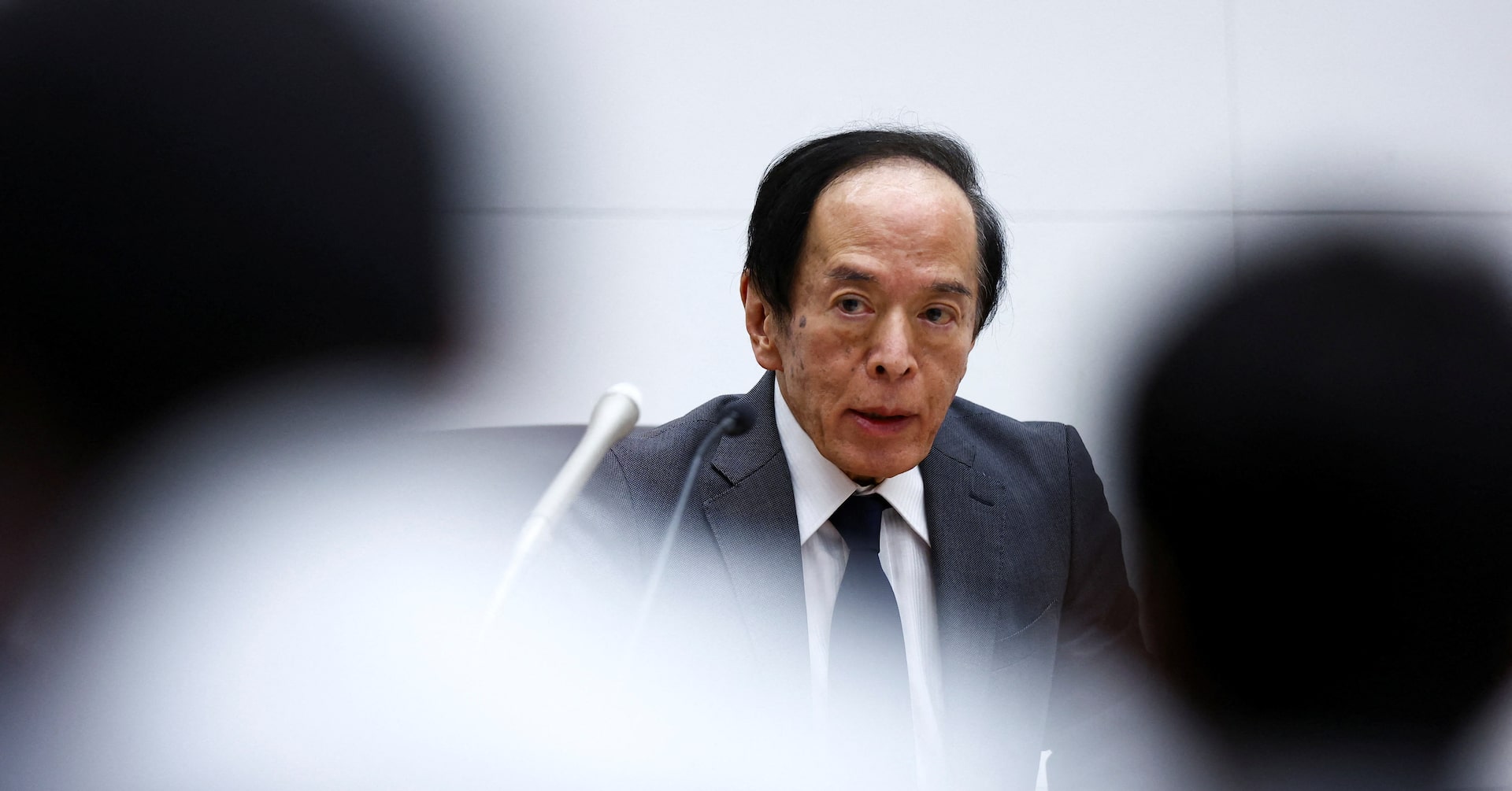
In a pivotal decision on September 19, the Bank of Japan (BOJ) opted to hold its interest rates steady at 0.5%, despite internal dissent from two of its nine board members who advocated for an increase to 0.75%. Simultaneously, the central bank announced plans to begin divesting its holdings of risky assets, marking a significant step in unwinding its extensive stimulus measures. BOJ Governor Kazuo Ueda addressed the media, emphasizing the bank’s cautious approach amid evolving economic conditions. Ueda highlighted that while food inflation poses a potential risk to Japan’s economy, it is not currently a major concern. He noted that the impact of U.S. tariffs on Japan remains limited, with corporate profits and capital expenditure holding steady. However, Ueda acknowledged the uncertainty surrounding global tariff policies and their potential effects on Japan’s economic trajectory. The BOJ remains committed to its baseline economic outlook, anticipating underlying inflation to gradually approach its 2% target. Despite the challenges, the central bank signaled its readiness to adjust interest rates in response to economic and price developments.