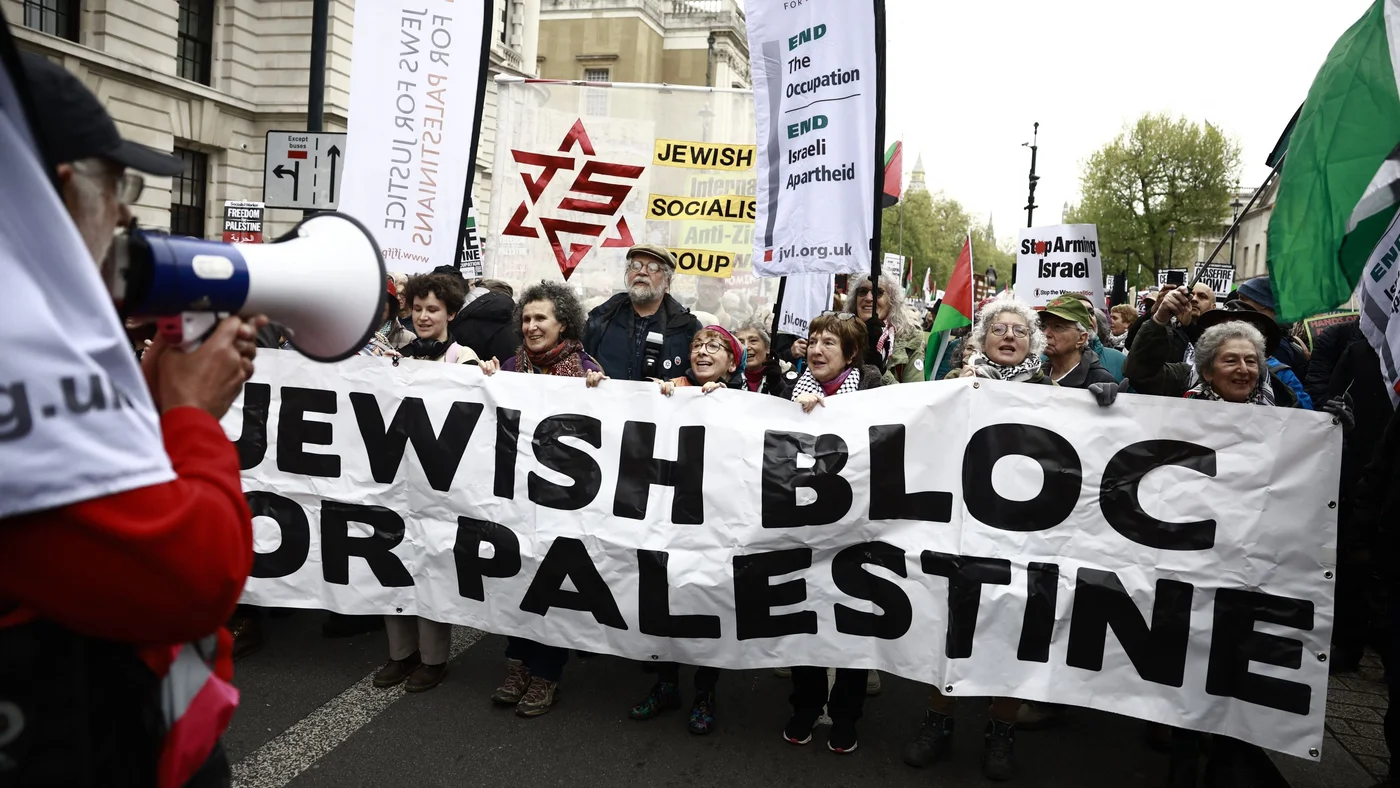
A coalition of anti-Zionist Jewish activists, Holocaust survivors, and descendants of Holocaust victims is publicly condemning the UK’s sitting Labour administration, alleging that deliberate, dismissive neglect of their perspectives constitutes a form of antisemitism, while pro-Israel advocacy groups are granted unfettered, high-level access to officials across every tier of government. Led by campaign network Jewish Voice for Labour alongside prominent community figures including Holocaust survivors Stephen Kapos and Agnes Kory, and Holocaust descendant Chris Romberg – a retired British Army colonel – the group has spent six months navigating what it describes as a cycle of unproductive, patronizing correspondence with senior ministerial teams, with repeated formal requests for a face-to-face policy discussion left entirely unacknowledged. The latest outreach, an open letter addressed to Policing Minister Sarah Jones and Communities and Faith Minister Florence Eshalomi, has gone without even a formal receipt confirmation for a full month, despite explicit prior government pledges to prioritize engagement with the full diversity of Jewish community voices. The campaign’s ordeal first launched in May 2025, when a cohort of 40 Holocaust survivor descendants wrote to then-Prime Minister Keir Starmer, Home Secretary Shabana Mahmood, and Metropolitan Police Commissioner Mark Rowley to formally push back against official claims that pro-Palestine public demonstrations pose a broad, existential threat to the UK’s Jewish population. In that initial submission, the group emphasized that the only instances of targeted hostility they had witnessed at pro-Palestine rallies originated from pro-Zionist counter-protesters, not the pro-Palestine march attendees. Six weeks after sending that letter, the group received only a generic, boilerplate response from a junior policing minister that offered no substantive recognition of their documented experiences, instead merely restating pre-existing official government positions on public order. In the months that followed, the group received three additional letters from the portfolios overseen by Jones and Eshalomi, all of which they characterize as dismissive, laden with irrelevant generic policy talking points, and delivered with extreme delays – on one occasion, a minister took a full two months to issue a reply. After receiving a public statement from Minister Jones last month asserting that the government “recognises the diversity of our Jewish communities” and was committed to “meaningful engagement with a range of different voices and perspectives”, the campaign submitted a formal, time-bound request for a meeting scheduled two weeks out to discuss their concerns. That request has now sat unanswered for four weeks, with no follow-up communication of any kind. The group draws a stark contrast between this treatment and the extensive, repeated access afforded to leading pro-Israel advocacy organizations: official records confirm that over the past 12 months, top government officials including the prime minister have held dozens of scheduled meetings with the Board of Deputies of British Jews, the Jewish Leadership Council, and the Community Security Trust – all three of which actively intervened in the Court of Appeal proceedings that upheld the UK government’s ban on direct action group Palestine Action. Transparency watchdog Declassified has additionally uncovered that multiple high-level meetings between ministers and pro-Israel lobbyists were never formally minuted, including an off-the-record February 2025 discussion between then Foreign Secretary David Lammy and prominent pro-Israel businessman Trevor Chinn, and a subsequent March 2025 closed-door meeting between Middle East Minister Hamish Falconer and Chinn that was omitted from official public transparency datasets. The campaign argues that this selective engagement is inherently antisemitic: by erasing Jewish voices that reject the dominant, unchallenged official narrative of universal Jewish support for Israel and Zionism, the government is reducing an extraordinarily diverse community to harmful, monolithic stereotypes, stripping dissenting Jewish people of their individual autonomy, and actively endangering their safety by falsely framing all Jewish people as endorsing what the group describes as Israel’s genocidal military actions in Gaza and the occupied Palestinian territories. Romberg noted that even under newly installed Prime Minister Andy Burnham, who has publicly admitted his party “got it wrong on Gaza” and backed Foreign Secretary Ed Miliband’s new sanctions targeting Israeli settlements in the occupied West Bank, there has been no shift in official engagement practices. “I have very low expectations that things will actually change,” Romberg told Middle East Eye. “These statements are just deflection, a reaction to electoral pressure. Words are cheap – there’s been a lot of clucking, but no actual eggs laid.” When contacted for comment, a UK government spokesperson issued a generic statement claiming the administration “regularly engages with a wide range of organisations to discuss their concerns and remain committed to working with our Jewish communities”, while separately reaffirming the official position that the Court of Appeal had correctly classified Palestine Action as a group that engages in terrorist acts, celebrates violent action, and promotes the use of unlawful force.
Anti-Zionist Jews and Holocaust survivors accuse UK government of ‘dismissive treatment’