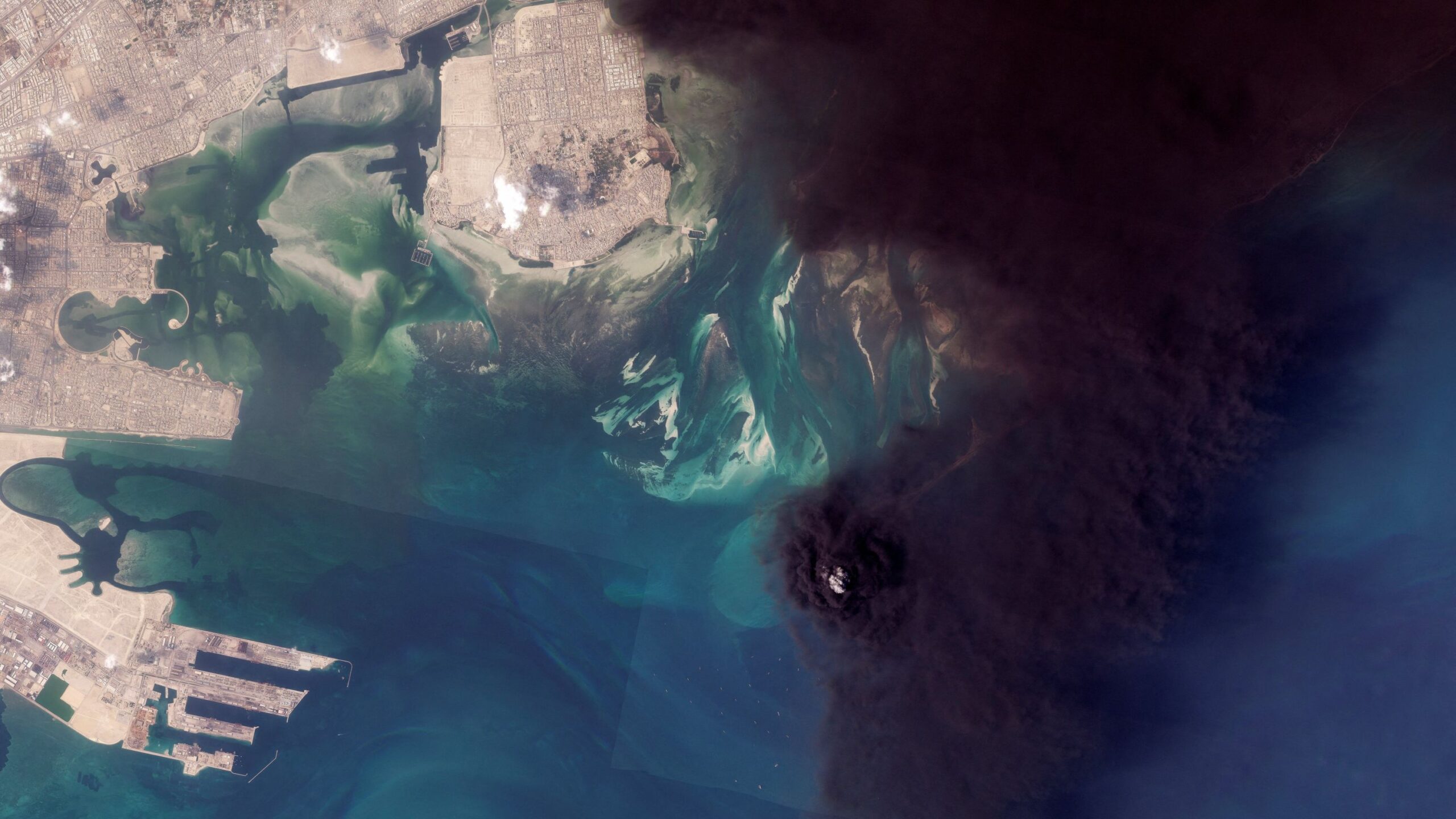
Recent waves of armed violence across Yemen and bordering areas of Saudi Arabia have left civilian casualties in the Yemeni governorate of Taiz, while intensifying long-simmering tensions between Riyadh and the Houthi movement, and sparking fresh debates over the scope of international military backing for the kingdom. State-run Yemeni news outlet Saba confirmed that indiscriminate Houthi artillery barrages targeted residential villages in the Sabir al-Mawadim and al-Misrakh districts of Jabal Sabir, located southeast of Taiz city. The assault claimed the life of one civilian woman and inflicted injuries on at least seven other people, including a young child, with multiple family homes sustaining structural damage in the shelling. All wounded individuals were transferred to local medical facilities to receive urgent care. In parallel, media outlets aligned with the Houthi-led de facto administration in Sanaa reported that a new round of aerial bombardment carried out by the Saudi-led military coalition struck targets in the Yemeni capital, where a large explosion was documented on Thursday in the wake of earlier air raids near Sanaa’s international airport. Forces affiliated with Yemen’s internationally recognised government later confirmed they had launched their own precision air strikes on Houthi military outposts in the Al-Aqroud zone of southern Taiz’s al-Misrakh district, in direct retaliation for the earlier Houthi shelling of civilian communities. The spike in ground and air hostilities on Yemeni soil comes just one day after Houthi officials publicly claimed responsibility for coordinated drone and missile assaults on the Saudi Red Sea port cities of Jeddah and Jazan, marking the latest in a string of operations that continue to test Riyadh’s stated deterrence and defensive military capabilities. Multiple Arab and Western diplomatic and defence officials speaking to Middle East Eye confirmed that Saudi air defence systems successfully intercept the vast majority of Houthi-fired ballistic missiles and unmanned aerial vehicles launched toward Saudi territory, but have repeatedly failed to shield high-priority national assets including critical energy infrastructure, core financial hubs, and major international airports from incursions. Against this backdrop, Saudi Arabia’s de facto leader Crown Prince Mohammed bin Salman has mounted a sustained diplomatic push to rally both the United States and regional partner states to more robustly back the kingdom’s security posture, with results that have been uneven to date. Washington has remained hesitant to commit to new offensive operations targeting Houthi-aligned factions, following the conclusion last year of a prior, widely panned U.S. bombing campaign against the group that failed to deliver its intended strategic objectives. While regional partners including Egypt, Pakistan, Turkey, and Syria have all either dispatched or pledged to deliver military support to Saudi Arabia, the vast majority of that assistance is limited to defensive capacities, with the sole exception of Damascus, which has deployed trained drone operators to the kingdom. High-level diplomatic engagements between Saudi and U.S. military leadership have intensified in recent months, with the third face-to-face meeting between Crown Prince Mohammed bin Salman and U.S. Central Command chief Admiral Brad Cooper – the top commander of all U.S. military forces deployed in the Middle East – taking place just last week, a gathering whose planned occurrence was first exclusively reported by Middle East Eye. Though the U.S. remains Saudi Arabia’s largest arms supplier by volume, and maintains a contingent of active-duty troops and military advisors stationed on Saudi soil, the Biden administration has declined to make any public, formal commitment to provide additional new military support to Riyadh amid the ongoing Houthi threat. Separate reporting from news outlet Semafor on Wednesday revealed that Crown Prince Mohammed bin Salman is scheduled to travel to the United States the following month to attend the upcoming G20 Leaders’ Summit hosted in Miami. For months, diplomatic observers across the region have circulated widespread speculation over whether the Saudi de facto leader would choose to depart the kingdom amid the sustained wave of Houthi cross-border strikes, and the rising risk of a potential joint U.S.-Israeli military offensive targeting Iran.
Yemen: Warring sides exchange shelling and air strikes, as Saudi oil facilities burn