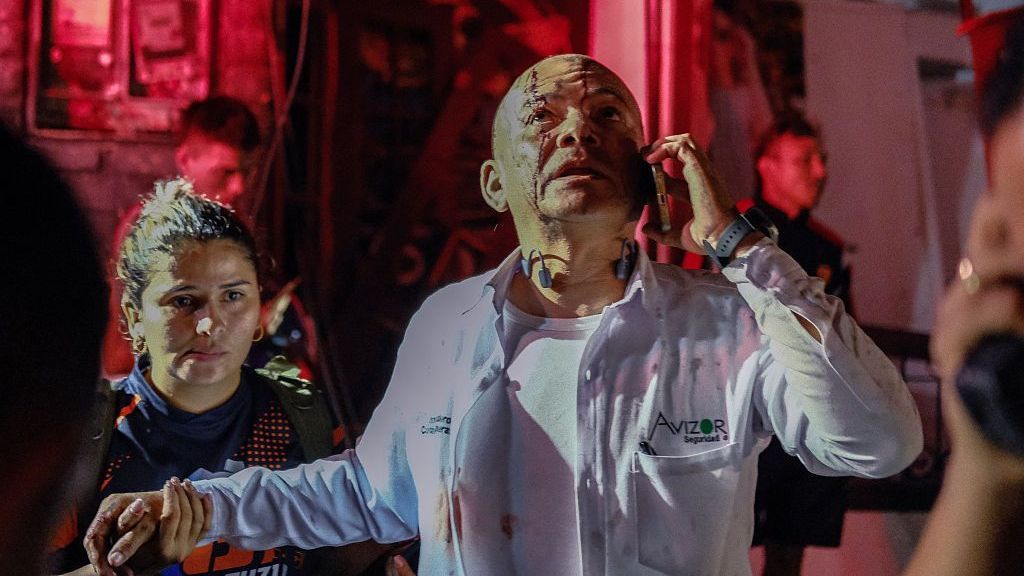
A devastating car bomb detonation tore through a busy central plaza in Villavicencio, a major urban hub in Colombia’s interior, on Monday evening, leaving no fewer than 23 people wounded and inflicting severe structural damage on multiple surrounding buildings, including the offices of the Meta regional government. The brazen strike marks the latest in a spate of explosive assaults targeting state infrastructure and security installations across the South American nation, with no armed group stepping forward to claim responsibility as of press time. Colombian President Abelardo de la Espriella immediately attributed the attack to “narcoterrorism” in a public social media statement, vowing an unyielding, forceful response to every casualty incurred in the violence. “There will be zero impunity for those who harm Colombian civilians and public servants, and this administration will not retreat an inch in its push to dismantle violent criminal networks,” he emphasized. The assault unfolded on the eve of the 10th anniversary of the landmark 2016 peace accord between the Colombian government and the Revolutionary Armed Forces of Colombia (Farc), the country’s largest former guerrilla organization. The historic deal led thousands of Farc combatants to lay down their weapons and reintegrate into civilian life, initially driving sharp declines in forced displacement, child soldier recruitment, and assaults on security personnel. However, a substantial faction of dissident Farc members who rejected the terms of the agreement refused to disarm, merging with other armed criminal syndicates to vie for control of lucrative illicit economies including cocaine trafficking, unregulated illegal mining, and extortion rings, fueling a steady resurgence of violence in recent years. Three weeks prior to the Villavicencio bombing, a separate car bomb detonated near military barracks in Tolima province, killing three adults and an infant, while earlier the same Monday that saw the Villavicencio attack, explosive-laden drones targeted the police headquarters in the northern city of Cúcuta. De la Espriella, who ran for office on a platform of aggressive crackdowns on narcoterrorism, has been openly critical of his left-wing predecessor’s “total peace” initiative, which sought to negotiate ceasefires and peace pacts with all armed groups. Those talks ultimately collapsed after multiple criminal factions violated their temporary truce commitments. Hours before news of the Villavicencio blast broke, de la Espriella posted on X dismissing the 2016 Farc peace deal as a chaotic “mess”, a waste of public funds, and the root cause of Colombia’s current societal turmoil. Former president Juan Manuel Santos, who signed the 2016 accord on behalf of the Colombian state, and Rodrigo Londoño, the Farc’s lead negotiator for the deal, pushed back against de la Espriella’s characterization in a joint interview with BBC Mundo ahead of the 10th anniversary. Santos rejected the “false peace” label de la Espriella has attached to the agreement, stating that the sitting president’s framing is entirely incorrect. “The cynical, misplaced narrative that today’s violence stems from the peace deal is the exact opposite of reality,” Santos noted, arguing that the ongoing conflict stems from the government’s systemic failure to fully implement the accord’s provisions, not the agreement itself.