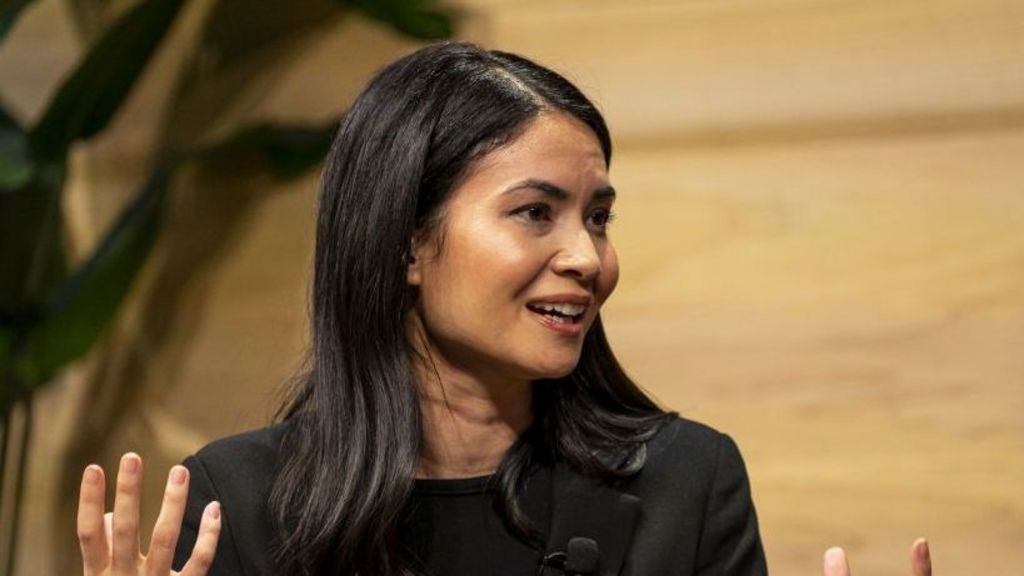
Melanie Perkins, co-founder and chief executive of Australia’s globally celebrated design platform Canva, has publicly characterized the past 12 months as the most challenging period in the company’s 13-year operating history, as the firm rolls out a sweeping operational overhaul that will touch 22% of its global employee base. In a candid internal memo shared with staff on Wednesday, Perkins described the restructuring call as the most difficult leadership decision the Canva team has ever made, affecting a total of 1,271 personnel across its 37-country footprint. For a portion of impacted staff, the changes will involve adjusted role responsibilities or requests to relocate to the company’s newly designated central operational hubs, while a significant cohort of long-tenured team members who helped build the platform from its early startup stages will be laid off. Perkins, who famously dropped out of university at 19 to pursue her first entrepreneurial project before launching Canva in 2013, noted that the company’s decade-long streak of consistent rapid growth came to an end this year, driven by shifting market dynamics tied to the fast-evolving artificial intelligence landscape. The no-code design tool, which empowers millions of non-professional creators to produce polished outputs ranging from wedding invitations to corporate pitch decks, has faced mounting cost pressures as it pours resources into integrating AI functionality across its platform to meet shifting user expectations. Two of Canva’s major early backers, Blackbird Ventures and Airtree, have already adjusted the firm’s valuation down from A$60 billion at the close of 2023 to roughly A$49 billion, with the company also implementing a downward revision of its internal valuation amid surging AI product development expenses. As part of the restructuring, Canva will designate its Sydney headquarters as the primary base for a larger share of its core product teams, and will roll out a new hybrid work policy starting in 2025 that requires all remote-eligible staff to spend two to three days per week in physical office locations. Perkins emphasized that the painful restructuring steps are designed to position the company for long-term resilience as AI reshapes the entire creative software market.