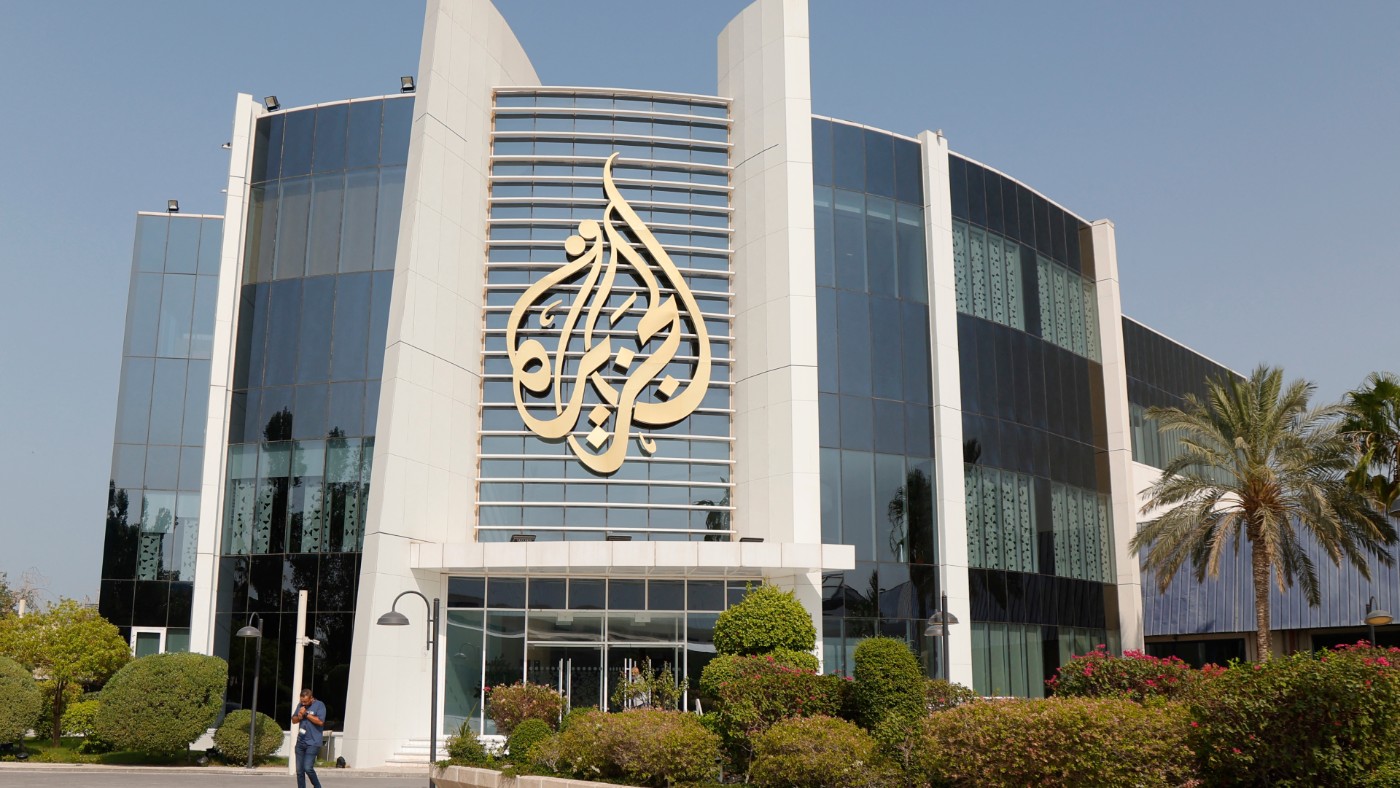
On a Sunday ceremony in Doha attended by Qatar’s Emir Sheikh Tamim bin Hamad Al Thani and top network leadership, pan-Arab global news powerhouse Al Jazeera commemorated three decades of reshaping media landscapes across the Middle East and worldwide, while formally announcing the rollout of an interconnected new multi-channel news ecosystem designed to adapt to evolving audience consumption patterns.
Founded on November 1, 1996, the original Al Jazeera Arabic channel launched with a Qatari state seed grant of approximately $137 million, paired with recurring annual public funding of roughly $100 million, initially broadcasting only six hours of content per day. Unlike the tightly state-controlled broadcasters that dominated the regional media ecosystem at the time, the outlet operated with an unprecedented level of editorial independence that quickly resonated with Arab audiences disillusioned by sanitized, government-curated local news. Many of its early core editorial staff were poached from the BBC’s short-lived Arabic television service, which had been forced to shutter after censorship pressures from Saudi Arabia, the operator of the satellite infrastructure carrying its signal.
The network’s global profile surged during the 2001 U.S.-led invasion of Afghanistan, when it maintained the sole continuous 24-hour satellite uplink to Kabul, providing exclusive on-the-ground footage that was licensed and broadcast by major Western news outlets. A decade after the Arabic flagship’s launch, the network rolled out Al Jazeera English with a $1 billion initial investment, cementing its status as a global multilingual news player. Over its 30-year history, the outlet has earned widespread acclaim for its unflinching coverage of high-stakes global events ranging from the 2003 Iraq invasion, the Syrian civil war, the 2011 Arab Spring uprisings, to the ongoing humanitarian crisis in Gaza, where 19 of its full-time staff and freelance contributors have been killed while on assignment. In recent months, the network has faced sustained operational restrictions: in May 2024, Israel enacted a ban on its local operations under a law targeting foreign broadcasters deemed national security threats, raided and closed its West Bank office in Ramallah that September, and a Tel Aviv court recently approved an additional 90-day extension of the national operational ban. As former Al Jazeera staff turned Australian media academic Scott Bridges noted in a 2012 analysis, while most geopolitical observers frame the network as a deliberate diplomatic initiative by Qatar’s leadership to raise the profile of the small, geopolitically vulnerable Gulf state, its launch represented a radical break from the formulaic state-owned television standard across the Middle East.
During the 30th anniversary event, Al Jazeera Chairman Hamad bin Thamer bin Mohammed Al Thani highlighted that the network had outperformed all early growth expectations relative to legacy global news institutions, while Director General Nasser bin Faisal bin Khalifa Al Thani emphasized that past achievements alone could not sustain the outlet’s founding mission, requiring proactive strategic renewal to keep pace with shifting media trends. The newly announced news ecosystem, operating under the core slogan “Now. Meaning. Humanity.”, is structured around three distinct content pillars to meet modern audience demands: real-time responsiveness to unfolding events, rigorous deep-dive analysis, and centering human-centric storytelling. The operational rollout will feature three dedicated channels: Al Jazeera Now, focused on nonstop rolling coverage of breaking, fast-escalating major stories; a revamped Al Jazeera Arabic that will expand its investigative journalism and long-form news features; and Al Jazeera Mubasher, which will retain its signature live, unedited field transmission format to give viewers an unfiltered window directly into on-the-ground events. Al Jazeera Director of News Raed Fakih noted that over 30 years, the network has carved out unprecedented airtime for marginalized voices, underreported issues, and underrepresented perspectives that were systematically excluded from traditional regional Arab media, and the new ecosystem will build on that editorial legacy to expand the scope of its coverage even further.
Al Jazeera celebrates 30 years ‘of transforming news in Middle East and beyond’