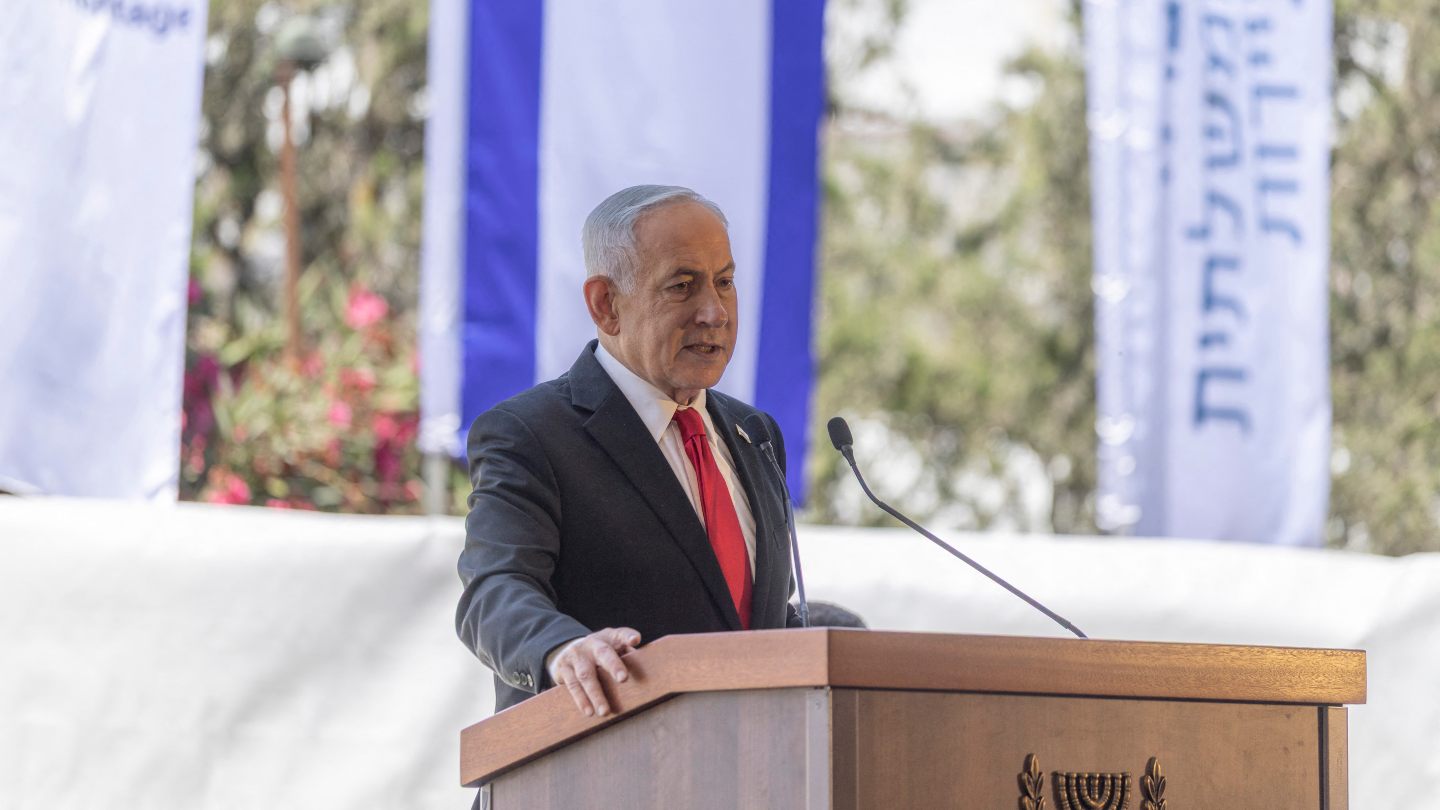
In a sharp public pushback, the Qatari government has formally refuted unsubstantiated allegations from Israeli Prime Minister Benjamin Netanyahu’s Likud party that Doha meddled in Israel’s recent parliamentary elections by funneling funds to sway electoral outcomes. The unproven accusations first surfaced in the wake of an unusually high voter turnout among Palestinian citizens of Israel during the 27 October poll. Local Israeli outlet The Times of Israel earlier reported that the country’s internal security agency, Shin Bet, had launched a probe into the funding streams backing civil society groups that encouraged Palestinian Israeli citizens to cast ballots, with Qatar initially named as the central subject of the investigation. Even as that probe moved forward, Israeli law enforcement officials publicly walked back the sweeping claims, with the national police force confirming there was zero evidence to support assertions that the election results had been improperly “stolen.”
Qatar’s Foreign Ministry spokesperson Majed Al Ansari issued a firm statement on social platform X dismissing the politically charged claims being amplified by a faction of Israeli politicians and aligned domestic media outlets. “These accusations are ridiculous and dangerous in equal measure,” Al Ansari stated, adding that the repeated, unsubstantiated references to Qatar in Israeli campaign rhetoric expose a disproportionate, unfounded fixation on the Gulf state among specific Israeli political and media circles. Al Ansari emphasized that the baseless scapegoating would not push Doha to step back from its longstanding regional mediation, diplomatic engagement, and humanitarian relief work across the Middle East. He further noted that Qatar was being unfairly framed as a convenient scapegoat to distract from the clear political failures of a subset of Israeli politicians during the recent electoral cycle.
The high turnout of Palestinian Israeli voters translated to major gains for Palestinian-aligned political factions running on two separate electoral slates, which secured a combined 19 seats in the 120-seat Knesset, positioning them as critical power brokers in the upcoming coalition formation negotiations. Neither Netanyahu’s incumbent bloc nor the opposition alliance led by former Israeli military chief Gadi Eisenkot managed to cross the 61-seat threshold required for a clear parliamentary majority, a outcome largely driven by the strong showing of the Palestinian-led parties. The Palestinian political factions have publicly offered to back a minority government led by the opposition to block Netanyahu from retaining his premiership, though leading figures in Eisenkot’s bloc have already rejected the possibility of formal governing partnerships with Arab-aligned parties.