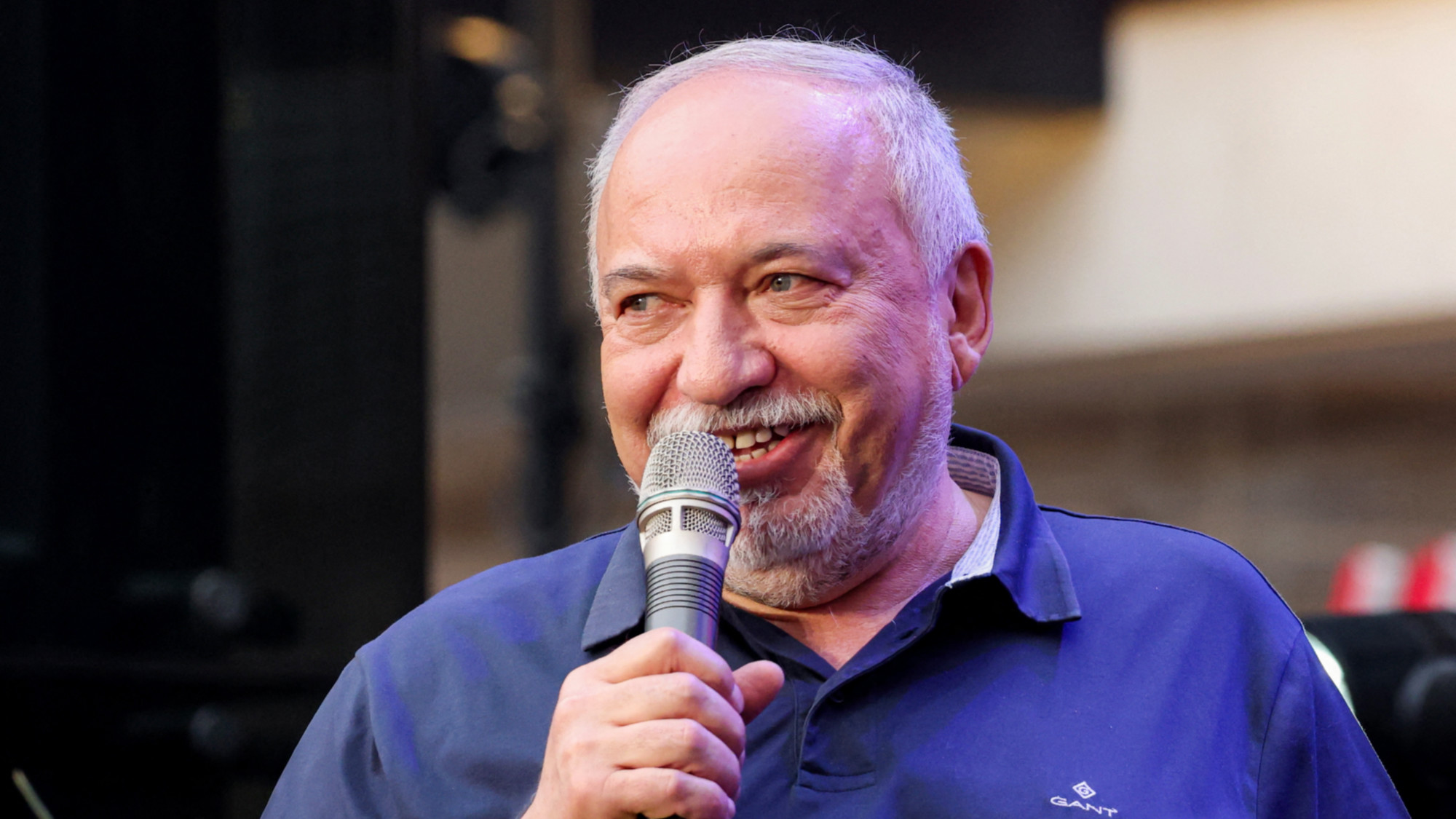
As Israel’s post-election coalition negotiations remain mired in uncertainty with over 90% of ballots tallied, firebrand Yisrael Beitenu party leader Avigdor Lieberman — a one-time close ally turned fierce critic of Prime Minister Benjamin Netanyahu — has severed nearly all communication with key opposition figures, according to a Wednesday report from local broadcaster Channel 12. Lieberman, whose party is on track to secure 7 seats in the 120-seat Knesset, has ignored repeated outreach attempts from prominent opposition leaders including Gadi Eisenkot of the Yashar party and former prime minister Naftali Bennett, who heads the B’Yachad faction. The unexpected radio silence comes as cross-party efforts to hash out a national unity government gain traction, with the explicit goal of avoiding any governing arrangement that relies on support from Palestinian-led Arab political parties. Preliminary vote counts confirm a stubborn parliamentary deadlock: neither Netanyahu’s outgoing right-wing bloc nor the combined Zionist opposition has hit the 61-seat threshold required for a ruling majority, a gridlock driven in large part by Palestinian-led parties notching a historic projected 19 seats across Knesset factions. The Arab party bloc has publicly offered to back a minority government helmed by the Zionist opposition as a last-ditch measure to block Netanyahu from returning to the premiership, but hardline figures in the opposition camp including Lieberman have repeatedly rejected any formal or informal governing partnership with Arab political groups. To break the months-long impasse and prevent a fifth consecutive round of snap national elections, political insiders have floated a power-sharing national unity government that would bring Netanyahu’s Likud faction and major opposition parties into a single ruling coalition. Per Channel 12’s reporting, Lieberman has no intention of being the first high-profile opposition figure to extend an olive branch to Netanyahu’s camp to kickstart those unity talks, and is actively pushing for Eisenkot to take that politically risky first step instead. The long-serving Israeli politician is employing a deliberate “lie in wait” strategy to observe coalition negotiations unfold from the sidelines, a familiar tactic he has deployed in previous political cycles. Following the 2009 Israeli general election, Lieberman famously departed on a week-long holiday to avoid early coalition bargaining, only to later emerge to join Netanyahu’s government as deputy prime minister and foreign minister. Ahead of the October 27 general election, Lieberman had explicitly ruled out even a temporary minority government supported by Arab parties, and stated he would only consider joining a national unity government that includes Netanyahu’s Likud party on the condition that Netanyahu himself is not installed as prime minister.