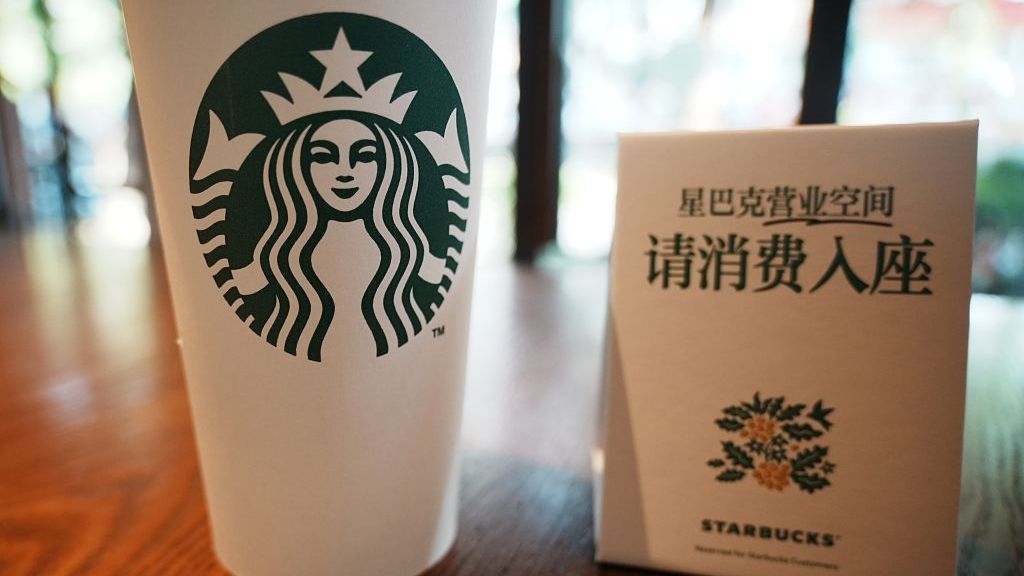
Starting Thursday, a landmark policy shift is now in effect across more than 8,000 Starbucks locations throughout China: anyone hoping to grab a seat in one of the chain’s cafes must first make a purchase. The new ‘purchase to sit’ rule, which has already seen photographic and video evidence of in-store signs circulate widely across Chinese social media this week, marks a deliberate effort by the coffee giant to upgrade the in-store experience for paying guests at a time when it faces mounting pressure from aggressive domestic competitors.
The domestic rival that has reshaped China’s coffee market most dramatically is Luckin Coffee, a homegrown chain that surpassed Starbucks to become the country’s largest coffee chain by store count in 2023. Unlike Starbucks’ long-standing business model, which positions its cafes as welcoming third places for customers to linger, Luckin has built its success around a low-price, app-driven grab-and-go model that has eroded Starbucks’ market share in recent years. This growing competition has pushed Starbucks to reevaluate long-held in-store norms that once allowed non-paying visitors to occupy seats for hours on end.
Reaction to the new policy among Chinese social media users has been largely supportive. Many commentators have shared frustration with chronic seat hogging, a common issue during peak cafe hours that has left paying customers unable to find available seating. One top-voted comment on Weibo noted that the rule will finally put an end to scenarios where visitors occupy tables for hours without ordering, sometimes even bringing outside coffee from competing brands while playing games or taking loud phone calls. Another user echoed this sentiment, saying they felt uncomfortable occupying a seat without a purchase and preferred leaving space open for paying customers who need it.
This policy change is far from an isolated solution unique to Starbucks’ Chinese market. Coffee chain locations across the globe have grappled with the same problem of non-paying visitors lingering and hogging valuable seating space for extended periods. Just last month, a Starbucks location in southwestern China’s Sichuan province sparked widespread online debate after footage circulated showing outdoor seats chained shut, an apparent early attempt to block non-paying visitors from sitting. In South Korea, Starbucks implemented a ban on bulky personal items after customers began bringing full desktop computers and printers to set up long-term work stations in-store, occupying seats for entire days without increasing their spending. In North America, the chain already reversed its decades-long open-door policy that allowed non-paying guests to use seating and restrooms, announcing the change would allow the company to prioritize the needs of paying customers.
Beyond the new seating rule, Starbucks China has outlined a broader set of upgrades aimed at improving customer experience. In a statement released Wednesday, the company announced plans to increase frontline staffing at its locations, upgrade in-store digital systems, and make other targeted investments to ensure customers receive timely, attentive service even during the busiest peak hours. The policy shift comes as Starbucks has already restructured its Chinese business operations: last year, the company sold a 60% majority stake in its China business to investment firm Boyu Capital in a $4 billion deal, a move that has given local leadership greater flexibility to adapt to the fast-changing Chinese coffee market. As China remains Starbucks’ second-largest global market, the new ‘purchase to sit’ policy signals the chain’s clear push to refocus on its paying customer base and retain its position against growing domestic competition.