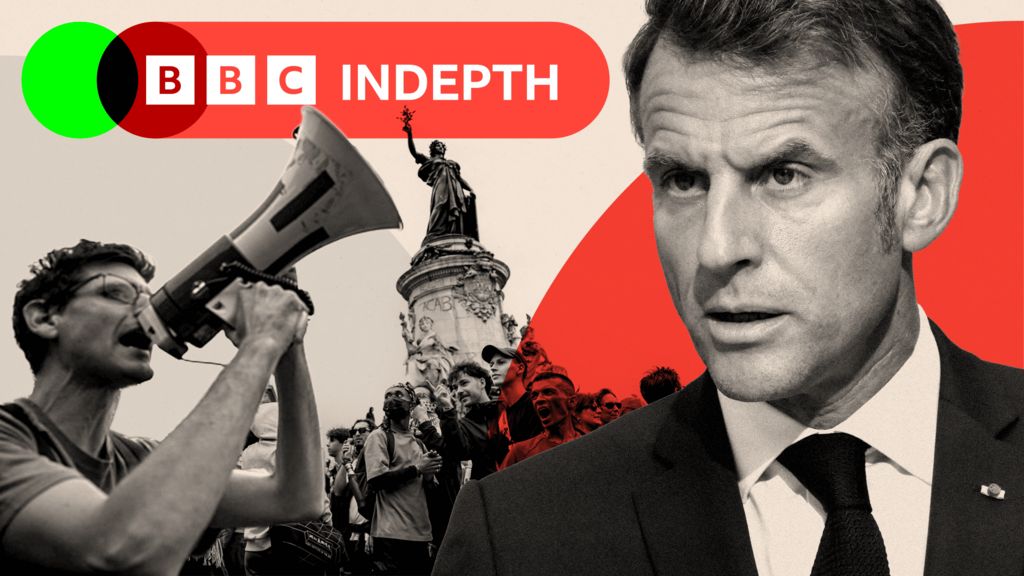
France is grappling with unprecedented political instability, economic challenges, and social unrest, as the nation faces a deepening crisis that has drawn both domestic and international scrutiny. In less than two years, the country has seen five prime ministers, a record even surpassing Italy’s post-war political turbulence. The current political impasse stems from President Emmanuel Macron’s decision to dissolve the National Assembly in 2024, which backfired, leaving the parliament fractured into three factions: the center, the left, and the far-right. This division has paralyzed governance, with no single group able to form a functioning majority. The immediate challenge is passing a budget, a task made more daunting by a recent general strike that saw widespread disruptions, including school closures and halted public transport. Meanwhile, Italy’s media has reveled in France’s misfortunes, mocking its political chaos and questioning the nation’s once-celebrated grandeur. The economic situation is equally dire. France’s national debt has soared to €3 trillion, or 114% of GDP, with debt servicing costs estimated at €67 billion this year—more than the budgets of all government departments except education and defense. Fitch’s recent downgrade of French debt has further exacerbated concerns, raising fears of potential IMF intervention. Amid this turmoil, Macron’s leadership is under intense scrutiny. His new prime minister, Sébastien Lecornu, faces the Herculean task of forging a budget compromise between deeply divided political factions. However, concessions to one side risk alienating the other, making consensus nearly impossible. The stakes are high: failure could lead to another government collapse, further elections, and even Macron’s resignation. As France navigates this historic turning point, the question remains: will the nation emerge stronger or become Europe’s new ‘sick man’?