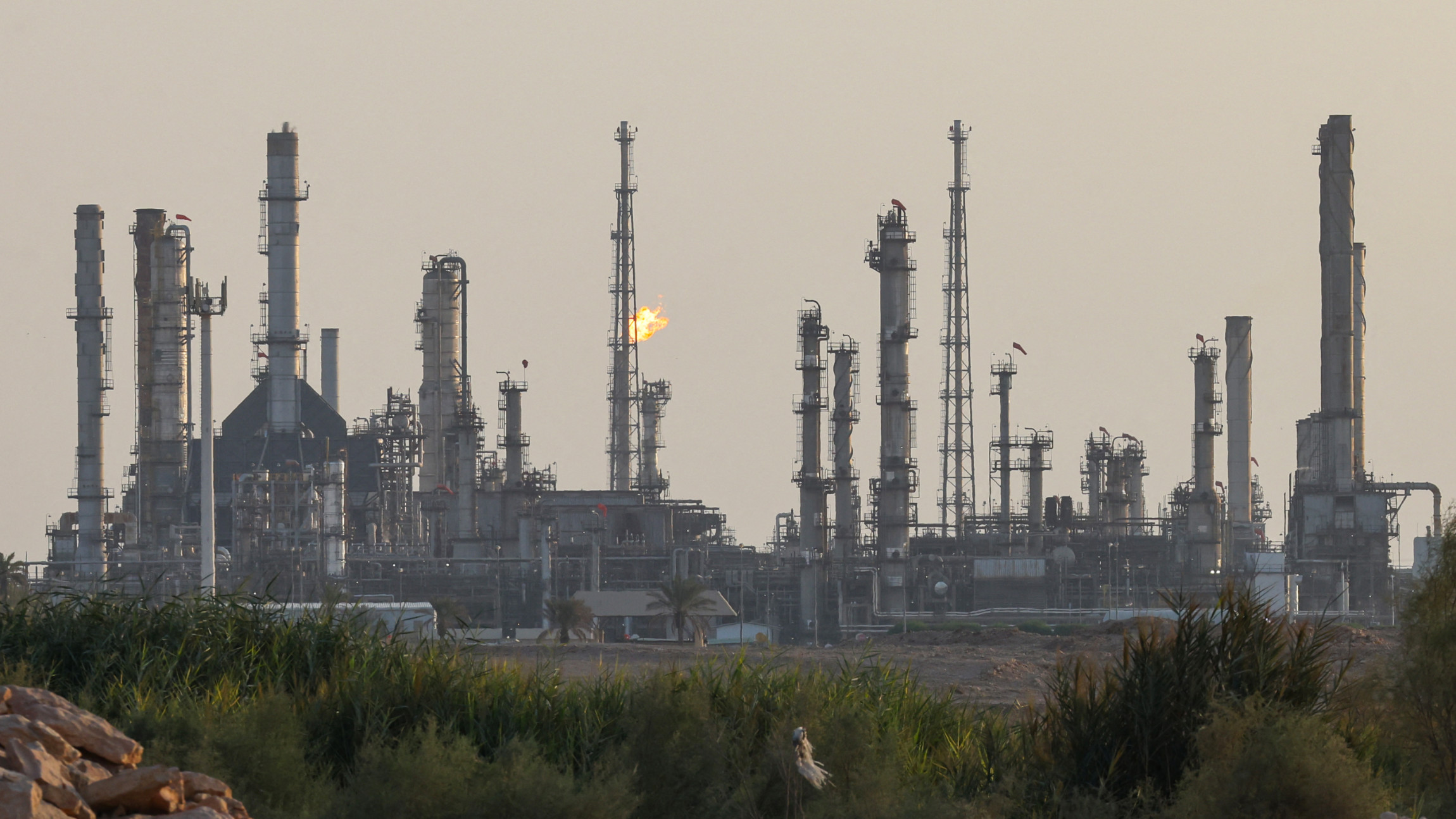
A dramatic escalation of cross-border hostilities between Yemen’s Houthi movement and Saudi Arabia has sent shockwaves across global energy markets, as the Iran-aligned group pledges to sustain its campaign of targeting critical Saudi infrastructure, including key assets operated by state oil giant Saudi Aramco.
Formally named Ansar Allah, the Houthi movement confirmed on Wednesday that it had launched a coordinated multi-pronged assault targeting three high-value sites: Saudi Aramco facilities in Dhahran, Riyadh’s King Khalid International Airport, and a major Aramco refinery in the Saudi capital. Houthi military spokesperson Yahya Saree detailed that the attack was executed with a large arsenal of weaponry, including ballistic missiles, cruise missiles, and a swarm of drones. In a stark warning that signaled further escalation, Saree confirmed the group would extend its operations to additional airports and oil facilities across Saudi Arabia in the coming days.
For more than a week, Riyadh has faced near-daily Houthi strikes—an unprecedented intensity of attacks not seen since the start of the Saudi-led intervention in Yemen in 2015. A drone and missile assault on King Khalid International Airport last Saturday left 13 civilians dead and hundreds more injured, marking one of the deadliest single Houthi attacks on the Saudi capital to date. Saudi Arabia has responded with punitive airstrikes targeting Houthi positions in the Yemeni capital Sanaa, ratcheting up the cycle of retaliation that has gripped the region.
The escalating violence has already forced practical adjustments to high-profile international events hosted by Saudi Arabia. Multiple sources confirm the kingdom is shifting its flagship Future Investment Initiative (FII) — a key annual gathering designed to draw global business leaders and investors to Riyadh — to a hybrid format. The change will allow participating executives to attend remotely if they choose, though the kingdom has arranged alternative travel routes for those still willing to attend in person, including entry via regional airports outside Riyadh or in neighboring Gulf Cooperation Council states. Despite the mounting security risks, Saudi officials have reiterated their commitment to maintaining the kingdom’s appeal for international direct investment, a core pillar of the kingdom’s long-term economic transformation agenda.
Just one day before Wednesday’s coordinated attack, Saudi Arabia’s Energy Ministry confirmed that an administrative building at Saudi Aramco’s Dhahran headquarters had been struck in a separate Houthi assault, noting that no fatalities or injuries were reported in that incident.
The global economic ramifications of the escalating conflict are already drawing warnings from top international financial leaders. Speaking at a press conference during the annual joint meetings of the International Monetary Fund and World Bank in Bangkok, IMF Managing Director Kristalina Georgieva warned that persistent attacks on Saudi energy infrastructure could push up global energy prices, impacting households and businesses across every region of the world. “The Saudi economy is important for the region and the world, and in that sense, these developments have potentially negative spillovers for everybody, everywhere,” Georgieva told reporters, per Agence France-Presse.
Analysts note that the current wave of Houthi attacks represents the most severe escalation between the two sides since 2015, when Saudi Arabia assembled a regional military coalition to back Yemen’s internationally recognized government against the Houthi movement, which seized control of northern Yemen including Sanaa in 2014.