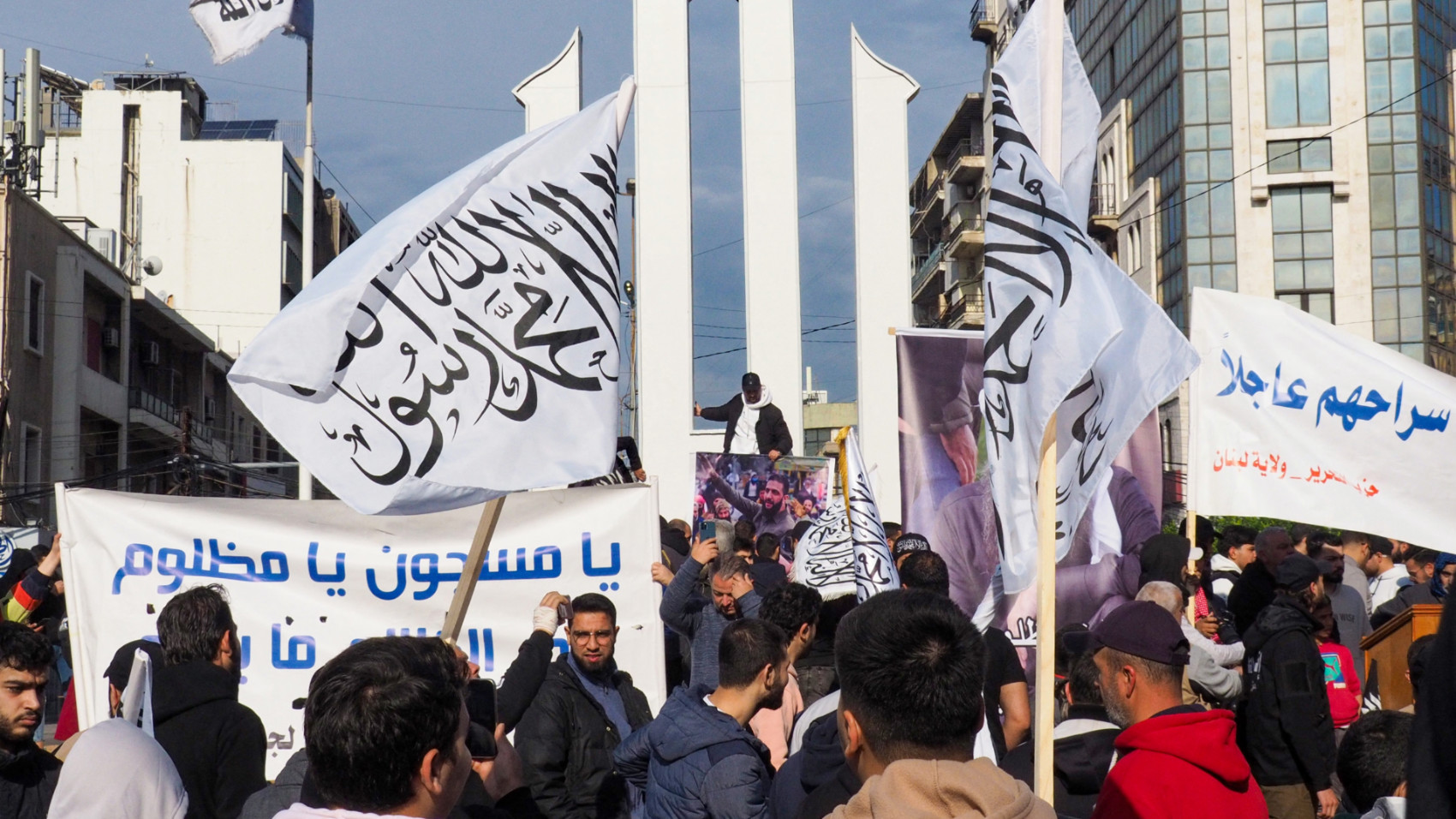
After 30 days of mass open-ended hunger strike that left at least seven participants dead and dozens more in critical condition, hundreds of incarcerated people in Lebanon announced an end to their protest on Monday, following a negotiated settlement over a divisive general amnesty bill.
The legislation, originally approved by Lebanon’s parliament in August, was designed to tackle the country’s long-running severe prison overcrowding crisis by shortening sentences for thousands of inmates. The crisis is most acute at Roumieh, Lebanon’s largest prison, which holds more than 4,000 people in a facility built for just 1,000 — operating at 300% of its intended capacity. Systemic delays in judicial processing have worsened the crisis, with hundreds of detainees held for years without ever going to trial.
However, the bill immediately faced opposition after a parliamentary bloc filed a legal appeal challenging its legality. Critics raised two major red flags: first, that the legislation’s vague original text would allow the release of Islamist detainees accused of carrying out deadly attacks against Lebanese military personnel, and second, that the broad amnesty amounted to a “trojan horse” that would pardon financial crimes, corruption offenses tied to Lebanon’s 2019 catastrophic economic collapse, and even grave violations including war crimes and crimes against humanity.
Lebanese lawyer and researcher Nizar Saghieh compared the original draft to the 1991 general amnesty law passed at the end of the country’s 15-year civil war, which cleared most militia fighters and leaders of wrongdoing. “This law took the form of a self-amnesty, a blanket amnesty really, because it is unconditional, just like the general amnesty of the 90s,” he explained.
The country’s Constitutional Council ultimately rejected the legal appeal, but ordered sweeping changes to the text: removing some controversial clauses and amending others to narrow the scope of who qualifies for reduced sentences. The revisions added new restrictions that exclude many inmates serving life sentences from benefiting from the legislation.
More than 600 prisoners launched their hunger strike to protest the months-long suspension of the original bill, which they saw as their only path to early release after years of prolonged detention. The protest took a devastating toll: 72 strikers became critically ill and required emergency hospitalization, and the Prisoners’ Families Committee confirmed at least seven participants died due to medical neglect or complications from pre-existing conditions aggravated by the hunger strike.
Even with the end of the protest and the revised bill moving forward, many families of incarcerated people remain ambivalent about the outcome. Hamza, a resident of Tripoli whose brother Omar has been detained without trial on terrorism charges for 14 years since he was 18, welcomed the ruling that will allow Omar to benefit from the shortened sentence. But he expressed sorrow for other inmates who were excluded from the amnesty by the Constitutional Council’s amendments. “Our joy is incomplete, to be honest,” he said. Names have been changed to protect Hamza and Omar’s identities at their request.
The resolution of the hunger strike brings a temporary end to a standoff that exposed deep rifts in Lebanon over judicial reform, prison conditions, and accountability for past crimes and political and economic wrongdoing.