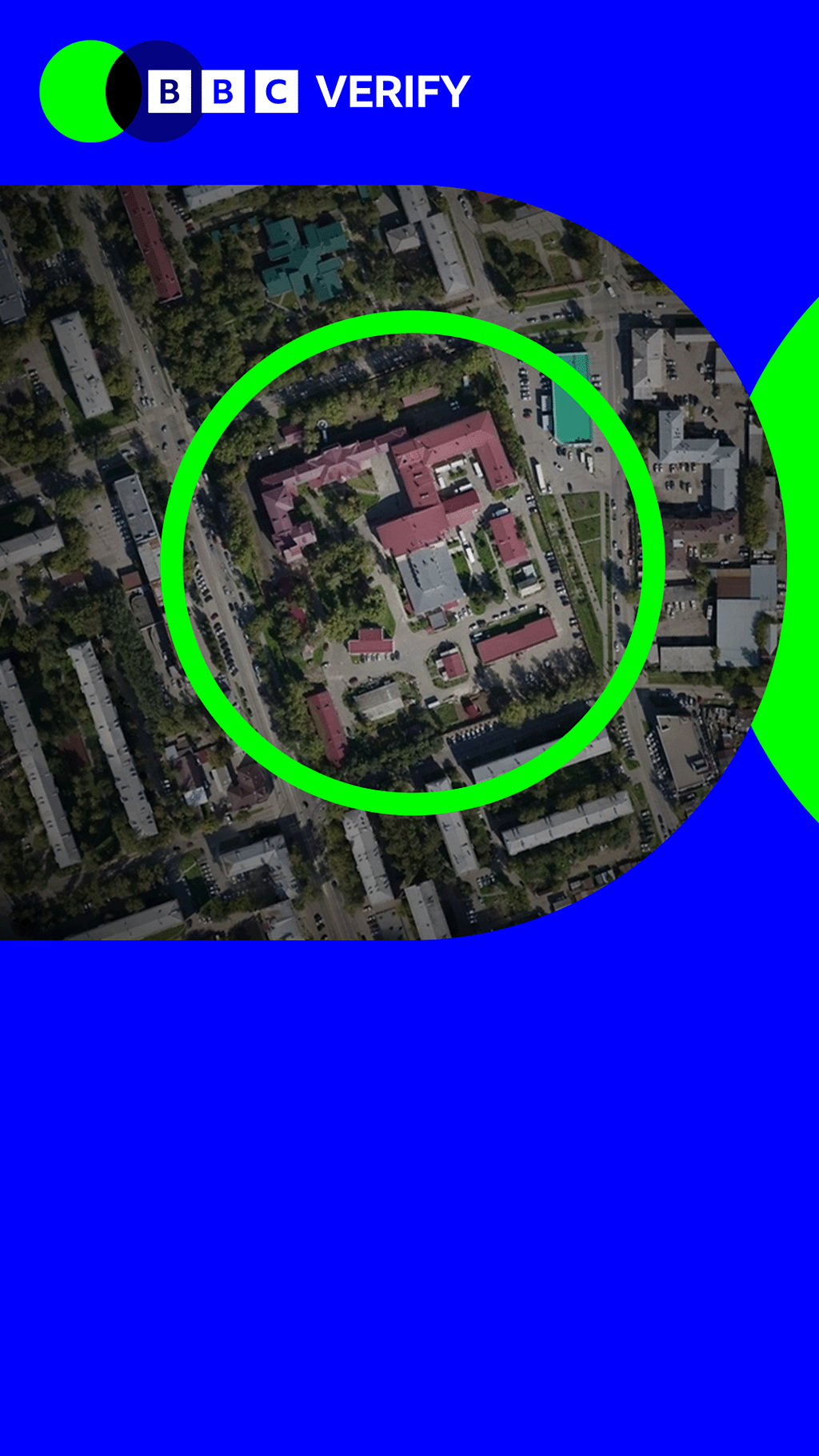
The unexpected death of a female researcher connected to a high-security plague research laboratory in Siberia has drawn international attention, prompting official statements from Russian authorities and independent fact-checking investigations led by BBC Verify. What began as a local report of a researcher’s passing quickly spiraled into widespread public speculation, fueled by the sensitive nature of the laboratory’s work studying dangerous pathogens. To address growing public confusion and rampant online misinformation, the BBC’s dedicated fact-checking division, BBC Verify, has launched a deep inquiry into the circumstances surrounding the death to sort fact from unfounded conjecture. Russian officials have publicly commented on the incident, seeking to clarify the official narrative and dispel what they describe as unsubstantiated rumors linking the death to the lab’s sensitive work on infectious diseases. As of the latest updates, official Russian statements have emphasized that no evidence of a link between the woman’s death and the laboratory’s pathogen research has been identified, stressing that all safety protocols at the facility remained intact throughout the period in question. The case highlights the persistent challenges of verifying information surrounding sensitive scientific research facilities, where even routine deaths can spark widespread speculation about biosecurity risks, accidental leaks, or lab-related health hazards. BBC Verify’s ongoing work aims to provide the public with a transparent, fact-based account of what led to the researcher’s death, addressing growing public concerns about biosecurity at Siberia’s specialized pathogen research sites.