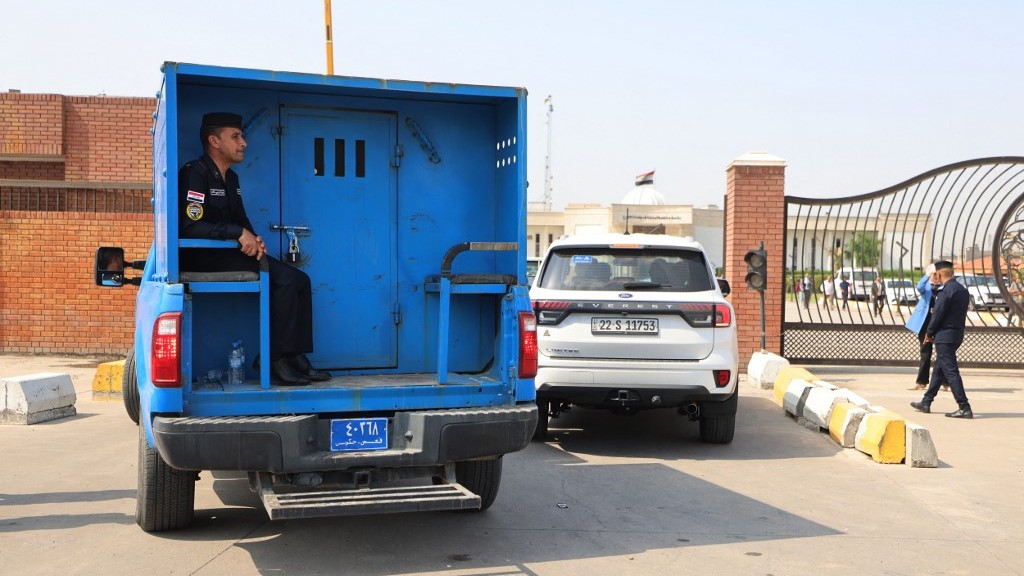
A urgent new warning from Human Rights Watch (HRW) has drawn global attention to the grave danger facing nearly 5,700 men and boys transferred to Iraq from northeast Syria earlier this year, with the rights organization saying the group faces widespread abuse, unfair prosecutions, and even the threat of execution.
The detainees, who include more than 440 children as young as 12 years old, represent a diverse cross-section of nationalities: roughly 3,500 are Syrian, 2,200 are Iraqi, and the remaining come from 65 other countries around the world. For up to seven and a half years before their transfer between January 21 and February 12, 2026, the group was held in Kurdish-led Syrian Democratic Forces (SDF) facilities in northeast Syria, where conditions had already been documented as life-threatening. The sudden transfer was triggered by escalated fighting between the SDF and Damascus’ transitional government, which sparked widespread fears of mass jailbreaks that would allow detainees to reoffend. With only a few days’ advance notice to Iraqi authorities, U.S. military forces coordinated the transfer of all 5,704 detainees, moving them across the border by airlift and ground transport.
HRW’s assessment paints a grim picture of the risks the detainees now face in Iraq. Adult detainees face imminent prosecution in deeply flawed trials that regularly fail to meet international due process standards, with convictions often followed by mandatory death sentences. Multiple reports from inside Iraqi detention facilities confirm systemic torture, unsanitary living conditions, and preventable deaths in custody. Adding to the public health crisis, more than 1,100 transferred detainees arrived with serious contagious illnesses, including active tuberculosis, which can spread rapidly through overcrowded detention populations.
Letta Tayler, senior counterterrorism advisor at HRW, emphasized the dual responsibility of the international community and Iraqi authorities in a public statement. “The thousands of boys and men sent to Iraq deserve humane treatment and due process, just as the thousands of survivors of ISIS crimes deserve genuine justice,” Tayler said. “The international community shouldn’t leave Iraq to manage this immense responsibility on its own.”
The background of this crisis stretches back more than a decade, when the Islamic State group seized large swathes of territory across Iraq and Syria in 2014. Backed by a U.S.-led international coalition, Iraqi forces declared victory over the group’s territorial control in 2017, and the Islamic State lost its final remaining stronghold in Syria in 2019. For the seven years following that defeat, SDF forces held thousands of suspected IS affiliates in makeshift detention facilities, struggling with limited resources and mounting security pressure.
Iraq’s legal system has long faced criticism from global rights groups over its handling of terrorism cases. To date, Iraqi courts have handed down hundreds of death sentences and life imprisonment terms to people convicted of terrorism-related offenses, including hundreds of foreign citizens. These convictions are routinely issued after summary, unfair trials that fail to meet basic international fair trial standards. Just last week, Iraqi authorities executed 10 people convicted of terrorism charges under the country’s sweeping Anti-Terrorism Law Article 4, security and health officials confirmed to Agence France-Presse.
HRW is calling on foreign governments to step up and accept responsibility for their citizens held among the transferred detainees, urging widespread repatriation rather than leaving the group to face the well-documented risks of Iraq’s broken judicial system. The organization also emphasized that any response to terrorism must balance accountability for atrocities with respect for basic human rights, calling for systemic reform to ensure fair justice for both detainees and survivors of IS violence.