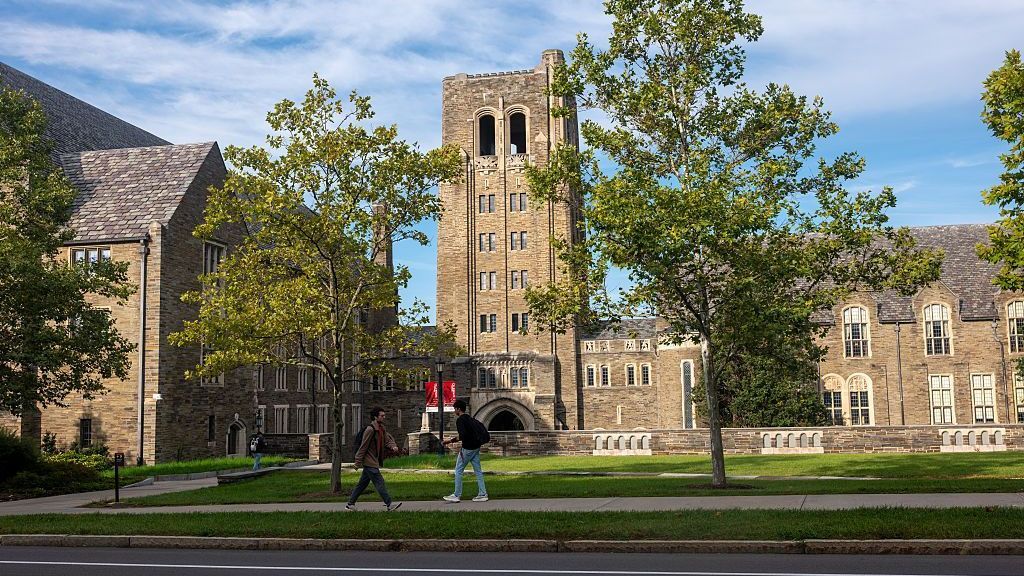
A sexual assault allegation against seven Cornell University students has ignited widespread national debate and triggered a major shakeup in how the case is being investigated, after the accuser revealed she is facing overwhelming online harassment from internet users attempting to publicly identify her. The 20-year-old woman, referred to in legal filings only as Jane Doe, alleges she was gang-raped by seven men at a Cornell fraternity house in Ithaca, New York back in 2024. She claims she was completely incapacitated by intoxication and pressured to take ketamine before the attack, leaving her unable to give legal consent to any sexual activity. No criminal charges were brought against the accused men in the immediate aftermath of the incident, but the case has been reopened after Doe filed a civil lawsuit against her alleged attackers. The lawsuit has pushed the allegations into the national spotlight, renewing speculation that criminal charges could eventually be filed. In recent media interviews, Doe’s attorney Thomas Giuffra shared that his client is struggling deeply amid the relentless online harassment she has endured. “She is not doing well. She is under siege on social media where people are trying to identify her,” Giuffra told CNN. He added that misleading, false postings on public court forums have attempted to out Doe, and have even incorrectly misidentified unrelated women as the accuser, putting innocent people in the line of fire. The growing controversy surrounding the case prompted New York Governor Kathy Hochul to announce Friday that she was removing local county prosecutors from the investigation and appointing state Attorney General Letitia James, the state’s top law enforcement official, to lead the probe moving forward. Hochul told reporters she had lost all confidence that the local prosecutor’s office could fairly and effectively oversee the investigation. “This young woman had already endured something that is utterly unspeakable, and then at every turn she was failed by people and institutions with an obligation to protect her,” Hochul said during the press conference. Beyond the investigation shakeup, the governor also pledged to close a long-criticized loophole in New York state law that currently makes it far harder to prosecute rape cases when the alleged victim voluntarily consumed alcohol or drugs before the assault. As harassment of the accuser has intensified online, a wave of solidarity has erupted across social media platforms, with hundreds of women posting self-recorded videos tagged “I am Jane Doe” to protect the accuser’s anonymity. The campaign is designed to clog internet searches for the accuser’s name and make it harder for online sleuths to track her down. Many participants have also shared their own personal experiences of sexual assault in their videos, turning the movement into a broader call for accountability for campus sexual violence. The push to unmask Doe gained traction after a conservative political commentator publicly pledged to reveal her identity, arguing that it is unfair for the accuser to remain anonymous while the seven men she has accused are publicly identified, even though they have never been criminally charged. Online attempts to dox both the accuser and the accused have already led to multiple cases of dangerous mistaken identity. According to local reporting from the Free Press, an active-duty U.S. Marine Corps sergeant who shares the same name as one of the accused men was incorrectly served with Doe’s civil lawsuit, and has since been flooded with online abuse and violent threats. Campus activists and Cornell students have repeatedly expressed public frustration over how the original inquiry into the allegations was handled, with many calling for greater transparency and accountability from both the university and local law enforcement. The case has already reignited long-simmering national conversations about campus sexual assault, survivor privacy, and gaps in state sexual violence laws that critics say leave many survivors without paths to justice.