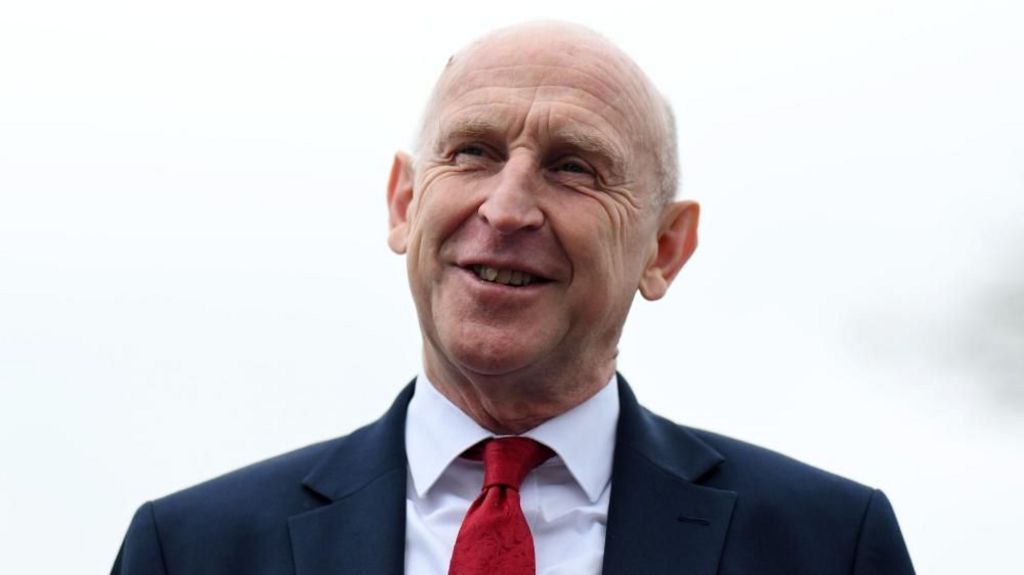
As UK Chancellor John Healey prepares to meet European Union finance ministers in Dublin this Friday, his top priority is clear: persuade the bloc to avoid cutting British industries out of its flagship plan to counter unfair global competition, and lay the groundwork for deeper post-Brexit cooperation across key economic sectors.
Treasury sources familiar with Healey’s agenda confirmed that he will urge EU policymakers to structure the bloc’s upcoming Industrial Accelerator Act (IAA) – widely known as the ‘Made in Europe’ programme – to strengthen, rather than sever, existing trade and industrial ties between the UK and the EU. The programme, currently under review by EU institutions, is designed to shield European manufacturing from unfairly priced imports from non-member states through targeted eligibility restrictions, but UK officials warn a closed-off framework could lock British firms out of integrated cross-continental supply chains.
Healey will also use the high-stakes meeting to push for new collaboration between the UK and EU across technology, defence and advanced manufacturing, while urging leaders to learn from the collapse of 2024 talks that would have seen the UK join an EU defence lending scheme. That negotiation foundered over disagreements about the UK’s financial contribution to the programme, a sticking point Healey is expected to address in bilateral discussions this week.
For many industry and trade leaders, the stakes of inclusion in the IAA could not be higher. Former UK chief trade negotiator Sir Crawford Falconer explained that the EU’s initial draft of the programme included provisions for non-member free trade partners like the UK, but a later amendment proposed restricting participation exclusively to EU member states – a shift that triggered alarm across Whitehall and UK industrial circles. ‘If we weren’t able to compete on equal terms, it would put the viability of some of our production facilities at risk,’ Falconer warned.
Major automakers have already echoed those concerns. Earlier this year, Nissan – which operates large manufacturing facilities on both sides of the Channel – emphasized that UK and EU production networks are deeply intertwined. The firm noted that restricting public programme eligibility exclusively to EU-based assembly operations would harm regional competitiveness, disrupt integrated supply chains, and slow the European transition to electric vehicles.
In pre-meeting remarks, Healey framed closer UK-EU economic ties as a core pillar of the UK’s national growth strategy. ‘The next chapter of Britain’s growth story will be written in more places,’ he said. ‘To me, closer ties with the EU means British businesses – wherever they are based across the UK – get better access to both the supply chains and the customers they need to grow.’ A Treasury source added that the chancellor’s goal is to remove unnecessary barriers that hold back UK tech, defence and manufacturing firms, without sacrificing UK national economic interests.
The Dublin meeting comes amid a broader reset of UK-EU relations that was delayed following the resignation of Prime Minister Sir Keir Starmer. Treasury officials now expect the scheduled reset summit to go ahead in November.
The gathering also follows reports earlier this week that Healey is reconsidering UK membership of a new global defence investment bank, an initiative his predecessor Rachel Reeves previously rejected. Led by Canada, the proposed Defence, Security and Resilience Bank (DSRB) would allow member governments to borrow at reduced interest rates to fund expanded military spending. With an October Budget and a 2025 spending review on his agenda, funding the UK’s growing defence commitments is one of the most pressing challenges Healey faces as chancellor.