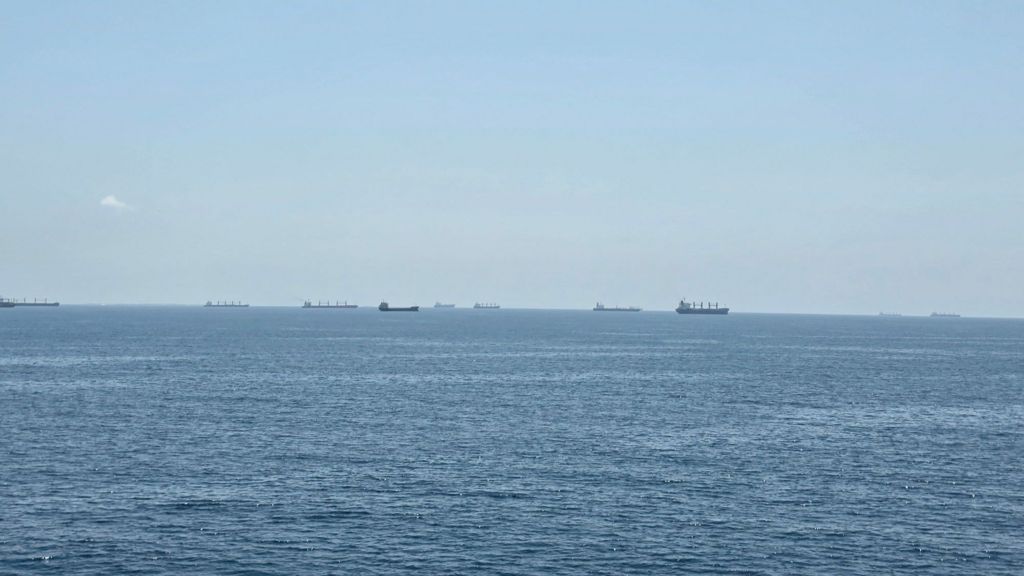
Fresh diplomatic friction has broken out between long-standing regional rivals India and Pakistan, after a collision between two naval vessels in the Arabian Sea earlier this week prompted both nations to summon each other’s top envoys and trade blame for the incident. The confrontation took place on Tuesday in the contested waters of the Arabian Sea, with each side quick to accuse the other of not only causing the crash but also violating a decades-old bilateral agreement designed to prevent dangerous military misunderstandings.
The collision comes more than 18 months after the two South Asian neighbors launched cross-border military strikes against one another, a escalation that was only de-escalated after the pair reached a new ceasefire agreement to calm tensions along their shared border. This latest incident has once again thrown the fragile regional stability into question.
In an official statement released by India’s Ministry of External Affairs, New Delhi lodged a formal strong protest with Pakistan’s Charge d’Affaires based in Delhi, condemning what it called the “unacceptable and unprofessional conduct” of the Pakistani naval unit involved. The Indian ministry instructed the Pakistani diplomat to communicate to Islamabad that all of its military units must exercise proper caution and strictly adhere to the terms of existing bilateral agreements to prevent similar dangerous incidents from happening again. New Delhi confirmed that the collision did not result in any major damage to its vessel, and did not report any casualties among its crew.
Mirroring India’s move hours later, Pakistan summoned India’s Charge d’Affaires to its foreign ministry headquarters in Islamabad, where it delivered its own formal complaint. Islamabad claims its naval vessel was in the middle of its regularly scheduled biennial military exercise, SEASPARK-26, operating within its own exclusive economic zone when the Indian navy ship carried out reckless, aggressive maneuvers in dangerously close proximity to the Pakistani vessel. Unlike India, Pakistan has not issued any clear statement confirming or denying whether its vessel suffered damage in the collision.
A core point of contention in the dispute is a 1991 bilateral agreement officially titled the Advance Notice on Military Exercises, Manoeuvres and Troops Movements, which both nations signed specifically to prevent dangerous crisis situations from emerging from accidental misinterpretation of each other’s military intentions. Both sides have accused the other of breaking the terms of this agreement. India specifically says Pakistan violated Article 10 of the 1991 deal, which mandates that naval vessels and submarines from both countries must maintain a minimum distance of three nautical miles from one another when operating in international waters, a rule put in place explicitly to prevent accidental collisions.
Pakistan went a step further in its statement, calling on the global international community to intervene and pressure India to halt what it described as irresponsible actions that threaten to further destabilize the entire South Asian region. “The region cannot afford to be held hostage to India’s reckless pursuit of conflict and instability,” Pakistan’s foreign ministry said in its official release.