India’s sprawling electoral system includes a little-scrutinized layer of political entities that has recently drawn intense attention from tax officials and investigative journalists over alleged misuse of campaign finance rules. Known as Registered Unrecognised Political Parties (RUPPs), these groups hold legal registration with India’s election body but have never secured enough votes or seats to earn official recognition at the state or national level.
With more than 2,800 active RUPPs across the country, the system was designed to open space for small, emerging political groups to participate in democratic processes. Like larger national and state parties, RUPPs are eligible to receive untraceable small donations and offer tax exemptions to donors, who can reduce their taxable income by contributing to registered political entities. But long-standing concerns have emerged that these loose regulations are being exploited for illicit tax avoidance, with a months-long BBC investigation uncovering stark gaps between the massive sums some RUPPs report receiving and their near-non-existent electoral activity.
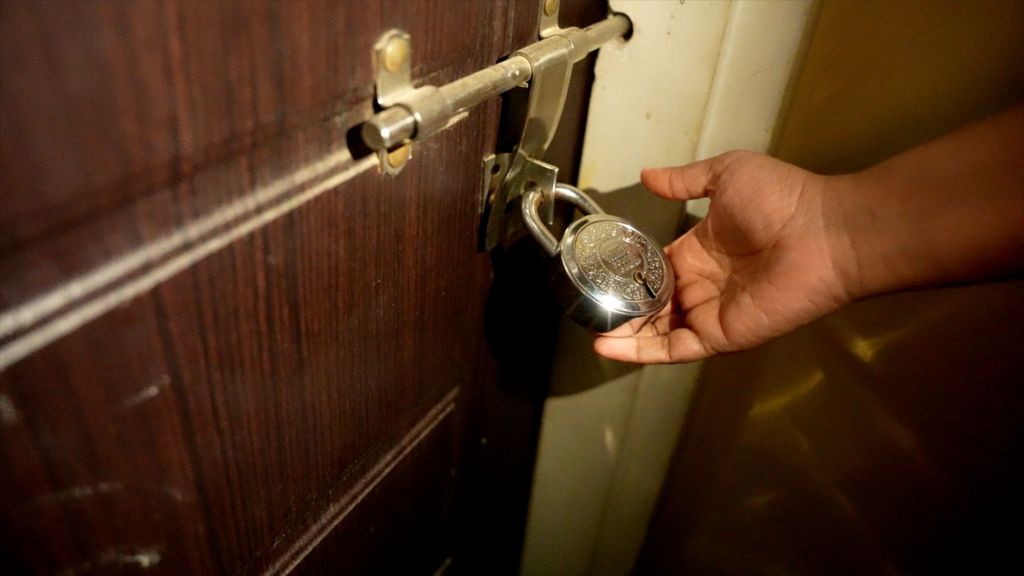
The investigation focused on six of the highest-donation RUPPs in the 2023-24 financial year, which together reported receiving roughly 17 billion rupees (approximately $180 million) in donations. Despite this enormous inflow of funds, the six parties collectively fielded only 15 candidates in India’s 2024 national general election – and none came close to winning a seat, with every candidate losing their election deposit. One of the most striking cases is the Gujarat-based Satyawadi Rakshak Party, which reported receiving more than 3.3 billion rupees ($35 million) in donations in the year ending March 2024. When the general election was held months later, the party fielded just one candidate, who lost. According to the party’s public financial disclosures, 84.8 million rupees was spent on election campaigning, while more than 3.16 billion rupees was marked as “public welfare” spending. When contacted, party president Swati Ben Patel told the BBC the money was spent on charity, but the party kept no formal records of expenditures. Reporters who visited the party’s registered headquarters – a locked residential flat in Anand, Gujarat – found no signage, campaign materials, or evidence of any ongoing political activity. The office was permanently closed.
Similar discrepancies appeared across all six parties investigated. Aam Janmat Party, founded in Patna, Bihar in 2020, reported no individual donations over 20,000 rupees (the threshold that requires public disclosure of donor identities to the Election Commission) in its first two years of operation. Then its finances exploded: the party reported 2.16 billion rupees in donations in 2022-23, and that figure nearly tripled to 6.2 billion rupees ($66 million) in 2023-24 – more than double the total donations reported that year by India’s main national opposition party, the Indian National Congress. Like Satyawadi Rakshak Party, Aam Janmat fielded only one candidate in the 2024 election, who lost his deposit. The party’s founding president, Anamika Paswan, told the BBC she resigned from the group in 2022 and is now a vice-president of the ruling Bharatiya Janata Party in Bihar. Reporters who visited the party’s new registered address in Ahmedabad, Gujarat found the office permanently closed, and the party’s current president did not respond to repeated requests for comment. The party’s listed treasurer confirmed the group had halted all operations and said he had no knowledge of its finances. Remarkably, the party’s registered bank account remains active: the BBC successfully transferred a small donation to the account after the party claimed to have shut down.
Another group, Garib Kalyan Party, reported 1.38 billion rupees in 2023-24 donations but fielded only three candidates, all of whom lost. Its candidate Indradevi Hiralal told the BBC she never even visited her assigned constituency to campaign in 2024, despite the party’s website posting photos of supposed door-to-door canvassing. The party’s registered office was also found closed, and the president’s mother said tax officials had previously searched the family home, though she did not know the reason for the raid.
The investigation uncovered a common pattern of exploitation of existing tax rules, according to tax officials and insiders. Middlemen, including chartered accountants, connect taxpayers looking to reduce their tax bills with RUPPs that are willing to accept donations in exchange for small cuts of the funds. Donors get the tax exemption they are seeking, while the parties and their controllers keep the remainder of the sum. Surender Tiwari, president of Swatantrata Abhivyakti Party – which reported 2.19 billion rupees in 2023-24 donations – told the BBC he had no control over the group’s finances. He said a chartered accountant handled all financial matters, gave him a small sum for his campaign, and then used evidence of the election activity to market the party to donors seeking tax breaks. The accountant in question, Mayur Singh, denied any wrongdoing, saying his role was limited to filing required audit reports, though he acknowledged working for multiple of the parties investigated.
Two donors interviewed by the BBC confirmed they had given money to a RUPP explicitly to claim tax benefits. One told the outlet he donated on a friend’s advice, saying, “I did it as a way to save tax, and have declared the same” – adding that authorities had not contacted him about the contribution.
Indian tax authorities have been aware of the suspected misuse of RUPPs for years. An internal Income Tax department document reviewed by the BBC shows investigations into the issue have been ongoing since at least 2002. The document identifies 55.91 billion rupees ($595 million) in suspected bogus political donations made by taxpayers seeking illegal tax benefits, as well as 6.65 billion rupees in suspicious foreign transactions. It also notes possible violations of tax laws, foreign funding regulations, and election rules. None of the six parties investigated by the BBC have been publicly named in the broader inquiry, and the outlet was unable to confirm that any of the parties committed illegal financial wrongdoing. Three of the six parties confirmed they or their officials had faced Income Tax department action, while a fourth confirmed a relative’s home had been searched. Tax authorities at both the state and central level did not respond to requests for comment on the specific cases.
Beyond tax fraud concerns, India’s Election Commission has been grappling with the large number of inactive RUPPs cluttering the official voter rolls. Last year, the commission delisted more than 800 RUPPs that had not fielded a candidate in six consecutive elections, but it lacks the legal authority to cancel a party’s formal registration, limiting the impact of these clean-up efforts. The commission did not respond to questions about whether tax authorities had shared information on suspected irregularities involving the six parties investigated. As scrutiny of the sector grows, authorities face a major challenge: untangling the web of donations, intermediaries, and shell entities to identify who actually controls these little-known parties, where their funds originate, and how the billions of rupees they receive are ultimately spent.