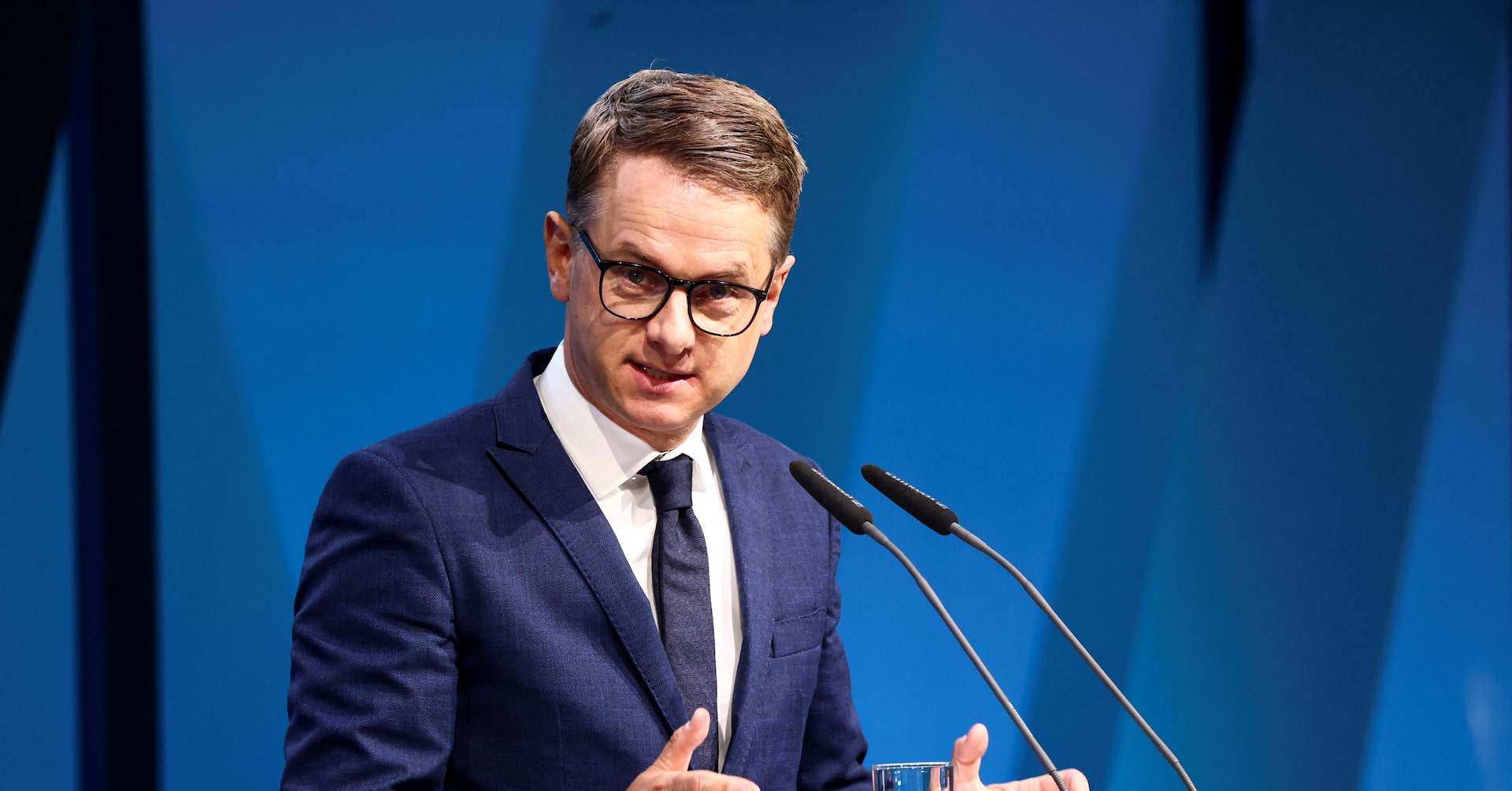
In a significant development within Germany’s political landscape, Carsten Linnemann, General Secretary of the Christian Democratic Union (CDU), has proposed freezing funding for the country’s public broadcasters. This move comes in response to the reduced airtime of Julia Ruhs, a right-leaning journalist and moderator of the show ‘Klar,’ which addresses contentious topics such as immigration and COVID-19 policies. The decision to limit Ruhs’ presence on air has sparked outrage among conservative politicians, who view it as a blow to Germany’s debate culture. Linnemann emphasized that public broadcasters must adhere to their mandate of providing cultural, educational, and informational content, suggesting that funding should remain at current levels until further notice. This controversy unfolds against a backdrop of global debates on media freedom, with parallels drawn to similar issues in the United States. Critics of Germany’s public broadcasting system, which generated over €8 billion in license fees last year, argue for greater accountability, while defenders highlight its role in safeguarding democracy. Ruhs, who gained prominence for her commentary on immigration, expressed disappointment over the decision by northern Germany’s NDR to seek another presenter for her show, stating that it reinforces public prejudices against the media.