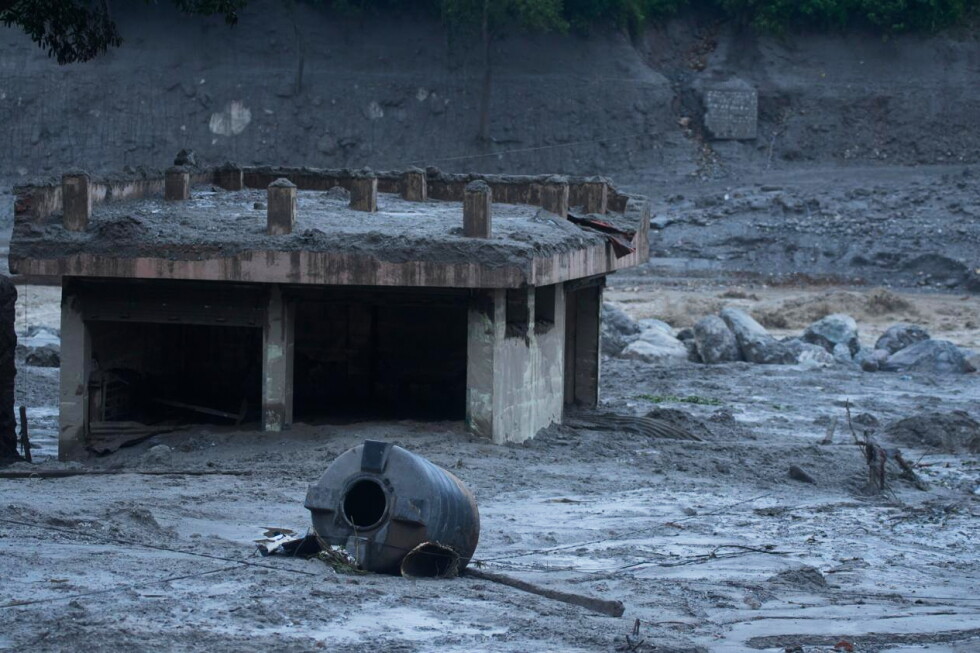
A catastrophic glacier collapse that triggered massive, multi-story mud and water torrents has left hundreds dead or missing along the Nepal-China border, as rescue teams continue scouring ravaged communities for survivors and humanitarian organizations across the globe mobilize to deliver urgent aid.
The disaster, which struck on Wednesday, destroyed critical infrastructure across the affected region, washing out countless roads and bridges and forcing the Nepalese army to rely on helicopter operations to reach stranded communities and evacuate survivors.
For disaster-prone Nepal, which consistently ranks among the highest countries globally on international disaster vulnerability indexes for risks ranging from earthquakes and floods to drought and wildfire, advance preparations by humanitarian groups have enabled a faster than expected response. U.S.-based humanitarian nonprofit Direct Relief, which provides medical supplies and healthcare access to disaster-affected regions, had pre-positioned emergency stockpiles across Nepal in anticipation of the annual monsoon season, putting critical resources within reach immediately after the floodwaters struck.
Dan Hovey, Direct Relief’s vice president of emergency response, announced Thursday that the organization was already preparing additional shipments of aid to send to the impacted region, with new public donations set to sustain the group’s support through the months-long recovery process ahead. “This is going to be a long recovery process,” Hovey emphasized.
Humanitarian coordinating bodies have noted that flexible cash donations are currently the most pressing need, as they allow local agencies and grassroots nonprofits to adapt funding to the most urgent, evolving needs on the ground. A range of international and U.S.-based organizations with long-standing operations in Nepal have already launched active response efforts:
– All Hands & Hearts, a disaster recovery nonprofit that has operated in Nepal since the 2015 Gorkha earthquake, is delivering immediate emergency relief while preparing to resume its longstanding work rebuilding damaged schools and residential homes.
– Catholic Relief Services, an international humanitarian agency, has partnered with local affiliate Caritas Nepal to deliver emergency aid and social services, while deploying additional dedicated response teams to support search and relief operations.
– Global Giving, a grassroots support nonprofit, has launched the dedicated Nepal Flood Relief Fund targeting $1.5 million in donations, to provide flexible funding for search and rescue operations, emergency response, and longer-term infrastructure reconstruction and recovery projects.
– Humanity & Inclusion, an international organization focused on vulnerable and crisis-affected communities, is already distributing emergency survival supplies across the region and providing critical rehabilitation support to injured survivors in local hospitals.
– Save the Children, a global child-focused humanitarian nonprofit, has delivered cooking kits, mosquito nets and blankets to 1,000 impacted households, and is working closely with national and local authorities to expand its response as needs are assessed.
– World Central Kitchen, celebrity chef Jose Andres’ food security nonprofit, is already providing hot meals to survivors through local partner networks, and is preparing to scale up its full distribution network to deliver more food to the impacted border region.
This coverage of global philanthropy and disaster response is produced by the Associated Press through a collaboration with The Conversation US, supported by funding from Lilly Endowment Inc. The AP maintains sole editorial control over all content.