LONDON — A formal coroner’s inquest has launched into the sudden passing of 41-year-old Jason Arday, a trailblazing Cambridge University professor who resigned his post last month amid intense public scrutiny over alleged academic misconduct and inflated personal achievement claims.
Arday, who made history in 2023 as Cambridge University’s youngest Black professor, was found dead at a residential address in south London on August 13, just eight days after stepping down from his role as Professor of Sociology of Education. The first short preliminary hearing for the inquest was held this Wednesday at London Inner South Coroner’s Court, a standard procedure for any death in the United Kingdom marked by unclear circumstances.
Senior Corer Dr. Julian Morris told the court that available documentation leads him to classify Arday’s death as unnatural, 12 days after it occurred. “It therefore follows that I must open an investigation,” Morris confirmed. While law enforcement have labeled the death unexpected, they have stressed there are no suspicious circumstances surrounding the passing.
The controversy that preceded Arday’s resignation and death began when Nathan Cofnas, a former Cambridge philosophy researcher, first raised public questions about Arday’s academic credentials last month. Cofnas, who left Cambridge after his sharp criticism of diversity, equity and inclusion programs triggered widespread campus protests, has previously claimed that in a purely merit-based system, Black people would be almost entirely excluded from high-profile positions outside of sports and entertainment. Last week, Cofnas was suspended from his current academic post at Ghent University in Belgium, though the suspension has not been officially linked to the Arday controversy.
Following Cofnas’ initial accusations, UK news outlets published reports claiming that more than 100 passages from Arday’s 2015 doctoral dissertation matched verbatim or nearly verbatim content from an earlier academic paper written by another researcher. Beyond the plagiarism claims, public scrutiny extended to a series of personal claims Arday had made throughout his career. These included assertions that he had raised £5.5 million ($7.5 million) for charity through extreme endurance feats, such as running 30 marathons in 35 days and 600 miles in six days. Arday later amended these fundraising and achievement claims. Critics also questioned his widely shared personal narrative of overcoming severe developmental delays that left him non-verbal until age 11; Arday stated he received an autism diagnosis in childhood and remained unable to read or write until he turned 18.
Before his resignation on August 5, Arday publicly denied all allegations of intentional plagiarism, though he acknowledged that he had made minor errors in citation and sourcing when completing his doctorate.
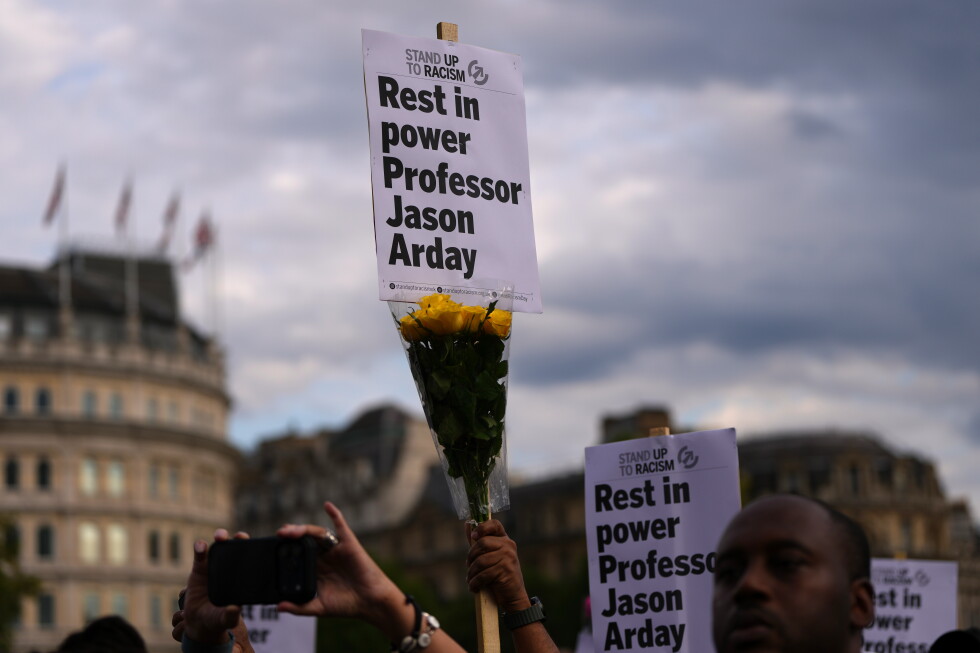
News of Arday’s death sparked an immediate wave of mourning across academic and social circles. A community fundraiser launched in his memory has already raised close to £225,000 ($305,000) from more than 7,900 individual donors. All funds raised are designated to support Arday’s family with living and financial costs, as well as cover funeral and memorial service expenses.
The formal opening of the inquest comes just one day before the UK publication of Arday’s memoir, *Great and Unfortunate Things*, by publisher Simon & Schuster. The book, which was released in the United States earlier this August, chronicles Arday’s personal life story: from growing up as an autistic, non-verbal child who remained illiterate until his late teens, to breaking barriers as the youngest Black professor in Cambridge’s centuries-long history.