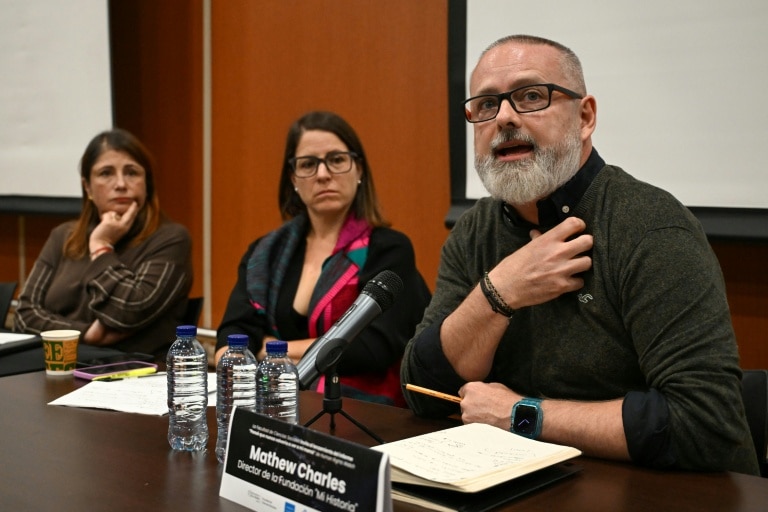
On Monday, New York-based international human rights non-governmental organization Human Rights Watch (HRW) held a press conference in Bogota, Colombia, to release a bombshell new report that levels serious allegations against two of the world’s largest social media platforms — Meta-owned Facebook and ByteDance-owned TikTok. The report claims the platforms failed to curb the spread of recruitment content created by illegal Colombian armed groups targeting minors, and in dozens of documented cases, the platforms’ algorithms actively amplified these harmful posts.
According to HRW’s research, armed groups operating in post-peace accord Colombia leverage social media to normalize life within insurgent ranks and lure vulnerable children with deceptive false promises of well-paying employment. The organization’s data shows that since 2021 alone, roughly 1,500 children have been coerced or tricked into joining these armed groups. Once recruited, the report documents, children are put to work in a range of dangerous roles: frontline combat, weapons and explosive handling, drone operation, and intelligence gathering. Many children with no prior combat training are thrown directly into conflict to serve as expendable cannon fodder, the report adds.
Disproportionate harm falls on marginalized communities within Colombia, the research finds. While Indigenous people make up just 4% of Colombia’s total population, they account for nearly half of all recruited children. Girls make up 40% of underage recruits, and the report notes they face uniquely severe risks, including widespread sexual violence at the hands of group leaders.
To attract recruits, armed groups craft curated social media content designed to sell a romanticized, glamorous version of insurgent life. Posts show group members flashing stacks of cash and expensive jewelry, gathering for training exercises, or sharing narcocorridos — a popular folk music genre that celebrates the exploits of notorious drug traffickers. Mathew Charles, founder of Mi Historia, a local NGO that supports former child conflict victims, explained that this lifestyle marketing preys on economic insecurity in marginalized rural communities. “They project a tough-guy masculinity and the idea of easy money, that you don’t have to work hard to get ahead,” Charles told reporters at the press conference, urging the Colombian state and civil society groups to develop targeted counter-narratives to push back against these harmful lies.
The report identifies the main perpetrator of these recruitment campaigns: dissident factions that split from the Revolutionary Armed Forces of Colombia (FARC) after the group signed a landmark 2016 peace deal with the Colombian government that ended a 52-year civil conflict. These dissident groups are responsible for 74% of all documented child recruitment cases between 2021 and 2025, HRW found. Despite the peace agreement, fragmented armed groups still maintain control over large swathes of remote territory in Colombia’s southern and northeastern regions, where state presence is limited.
Juanita Goebertus, HRW’s Americas director, emphasized the severity of the platforms’ inaction in her remarks to the press. “Digital platforms must recognize that they are being used for the recruitment of children, which means they are being used to commit serious crimes, including war crimes,” Goebertus said. HRW confirmed that it had shared its full findings and specific examples of harmful content with both Meta and ByteDance ahead of the report’s release. In responses to HRW, both companies confirmed they had removed the flagged content, and issued statements defending their existing policies.
A Meta spokesperson said the company “constantly strives to refine its approach to combating” child recruitment efforts across all of its platforms, which include Facebook and Instagram. A TikTok representative echoed that commitment, saying the platform “proactively prevents illegal armed groups and organized criminal groups from using TikTok, including to target, exploit or recruit minors.”
The report comes as Colombia’s newly inaugurated president Abelardo de la Espriella has made cracking down on illegal armed groups a central policy priority. De la Espriella has already announced plans to negotiate a new military alliance with the United States and Israel to boost counter-insurgency operations across the country.