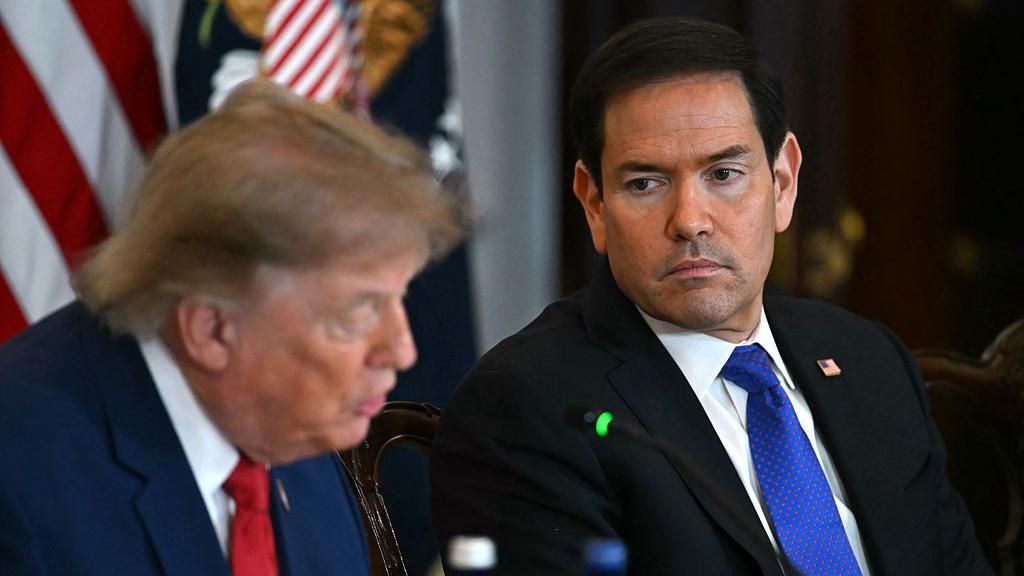
Escalating long-running tensions between Washington and Havana, the Trump administration has rolled out a fresh package of economic sanctions targeting a slate of Cuban state entities, government agencies and senior institutional leaders, senior U.S. official Marco Rubio announced this week.
The latest tranche of penalties includes nine state-owned enterprises operating in the mining, metallurgy and construction sectors, Cuba’s national Ministry of Construction, and leading figures tied to the Havana-based Cuban Institute of Friendship with the Peoples (ICAP), a century-old institution founded by former Cuban leader Fidel Castro in 1960.
In an official statement accompanying the announcement, Rubio accused the sanctioned individuals and entities of participating in deliberate subversive anti-U.S. activity. He claimed the grouping arranged the arrival of a new brigade of international sympathizers to Havana to coordinate with Cuban government officials, timed deliberately to align with the centennial celebration of Fidel Castro’s birth.
Rubio further argued that the targeted actors form a core part of what he called the Cuban regime’s core mission to spread Marxist ideology, racial division and communist political violence across the globe. “Today’s designations make clear that the Trump Administration will not tolerate the Cuban regime’s efforts to fund its internal repression or continue its decades-long campaign of subversive anti-American activities,” he said.
Founded to build intentional ties between Cuba and like-minded political and social organizations worldwide, the ICAP regularly hosts international activist delegations, who in turn organize pro-Cuban government advocacy in their home countries. But Rubio leveled serious allegations against the institute, claiming it engages in deliberate deceptive activity, corrupts U.S. citizens through misinformation, deploys espionage tradecraft, and engages in widespread malfeasance.
Fernando Gonzalez Llort, the current president of ICAP, is among the high-profile figures targeted in the latest sanctions. Llort is a former member of the so-called “Cuban 5” spy ring, and was released from U.S. custody as part of a prisoner exchange during the Obama administration’s brief diplomatic thaw with Havana.
This latest round of penalties adds to a sprawling existing sanctions regime that already targets top Cuban leaders across the energy, finance, and national defense sectors. Cuba’s critical tourism industry, long the single largest source of revenue for the island’s struggling government, has already collapsed to historic lows under accumulated U.S. restrictions.
Cuban authorities have issued a sharp condemnation of the new sanctions. Foreign Minister Bruno Rodríguez took to social media platform X to denounce the measure, arguing that it is designed to deliberately punish legitimate Cuban businesses and inflict additional damage on the country’s already fragile economy. Rodríguez added that the new penalties will further hinder the Cuban government’s ability to deliver essential public services to its population, a sector already teetering on collapse after decades of U.S. economic blockade.
Since the start of 2026, the U.S. has enforced a near-total oil blockade on the island. Cuba’s aging national electricity grid is almost entirely dependent on imported fuel to operate, and the blockade has forced public hospitals across the country to switch to emergency backup generators to maintain critical care. Widespread, extended power outages have already sparked rare public protests in recent months, where public dissent against the government is typically met with lengthy prison sentences.