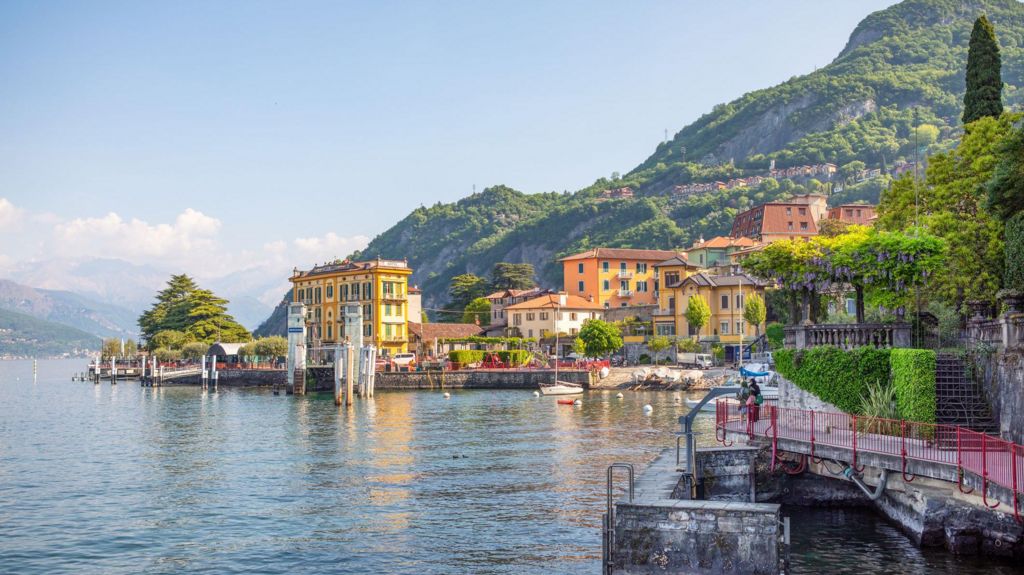
Nestled on the scenic shores of Italy’s iconic Lake Como, the historic city of Como is now at the center of a heated public debate over new mobility restrictions, triggered by a personal incident that has reshaped its local traffic policy.
Alessandro Rapinese, the city’s mayor, has announced a full ban on bicycle riding across roughly 30 streets in Como’s ancient city center, set to take effect in September. The sweeping rule, which applies equally to traditional pedal bikes and electric two-wheelers under Italian highway regulations, comes after Rapinese was struck by an electric bicycle earlier this year. The mayor framed the ban as a critical step to shore up public safety in the dense, tourist-heavy historic district, noting that his firsthand experience of the collision drove his decision-making.
“People act based on their own experiences, and I know what it’s like to be hit by one of these beasts,” Rapinese told Italian national news agency Ansa. He detailed the incident in an episode of his self-produced online video series RapiNews24, explaining that the collision occurred in July, just as his administration was debating new central city traffic limits, as he left Como’s city hall. Rapinese escaped the crash without requiring hospitalization, but said the experience pushed him to move forward with the restriction.
The cycling ban is just one component of a broader package of traffic reforms designed to manage booming tourist numbers in Como, which draws millions of visitors annually to its Roman-walled center and lakeside vistas. The new rules expand the city’s existing Limited Traffic Zone (ZTL), imposing stricter access controls for cars and vans. Under the updated regulations, most private vehicles will require an annual permit to enter the zone, plus a €3 (£2.60) daily access fee. Commercial deliveries to local shops and restaurants are restricted to between 6 a.m. and 11 p.m., and only tourists staying at accommodations with on-site parking will be allowed to drive into the historic center.
Many of the streets covered by the new cycling ban are among the widest thoroughfares in Como’s old town, and are regularly used by delivery cyclists, making the restriction a significant disruption to local daily logistics. While bicycles have long been a primary mode of daily transportation for local residents in the already car-limited city center, Rapinese’s new rule has drawn fierce pushback from the community.
Local residents have launched an online petition to overturn the ban, and prominent local advocacy groups have publicly condemned the policy. Civitas Como, a local citizens’ organization, has challenged the legal and practical legitimacy of the restriction, calling it “questionable and erroneous.” The local association Nova Como has organized a mass protest bike ride for September 12 to demonstrate opposition to the new rule.
This move places Como among a growing number of European cities that have tightened restrictions on lightweight personal mobility devices in dense urban areas amid growing safety concerns. Palermo, another major Italian city, implemented similar bicycle restrictions on busy central streets back in 2023. Beyond Italy, Paris implemented a full ban on rental e-scooters in 2023 and has since introduced stricter safety requirements for privately owned e-scooter users, reflecting a continent-wide trend of re-evaluating micromobility in historic and crowded city centers.