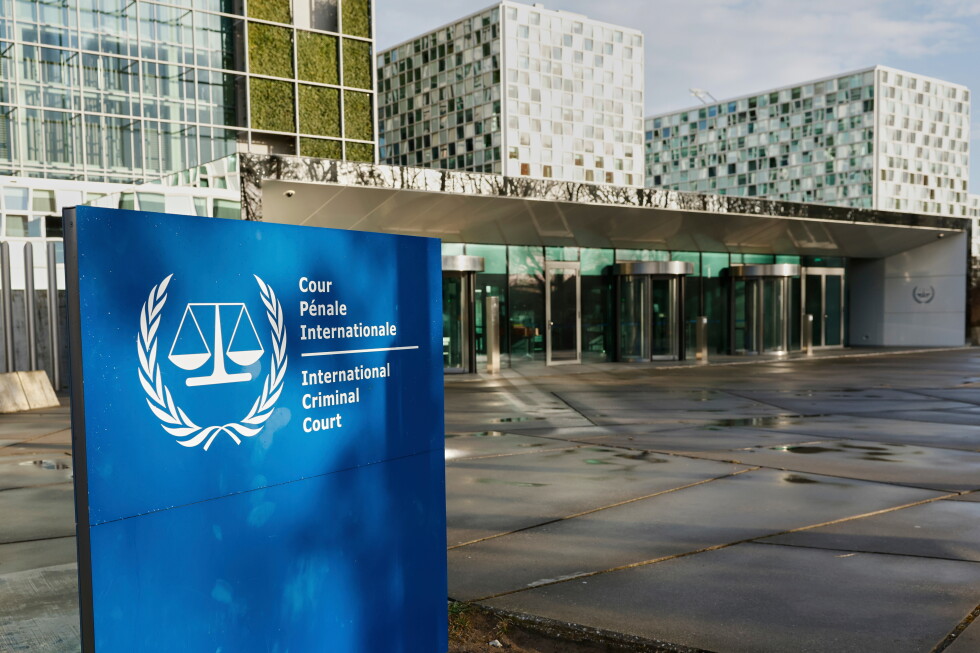
THE HAGUE, NETHERLANDS – In a sharp rebuke of newly imposed United States sanctions targeting its top leadership, the International Criminal Court (ICC) issued a formal condemnation Wednesday, calling the measures a blatant assault on the tribunal’s judicial independence and reaffirming its commitment to pursuing accountability for mass atrocities across the globe. The punitive measures, announced by the US State Department a day earlier, target ICC President Tomoko Akane, a Japanese jurist, and senior ICC trial lawyer Abdoulaye Seye, a Senegalese legal professional, freezing any assets they hold under US jurisdiction and cutting them off from the US financial system.
According to ICC records, the current Trump administration has now imposed sanctions on nine of the court’s 18 sitting judges, both of its deputy prosecutors, its former chief prosecutor, and one additional member of the prosecution team. Washington has long justified its aggressive campaign against the Hague-based court by claiming the ICC has overstepped its governing mandate by launching investigations into and pursuing prosecutions of senior military and political officials from non-member states, including Israel and the United States.
“ When judicial actors are targeted and threatened for upholding the law, the entire international legal order is put in jeopardy,” the ICC said in its official statement. The court stressed it would continue to carry out its core mandate with unwavering independence and impartiality, regardless of external pressure.
US Secretary of State Marco Rubio defended the sanctions in a statement released Tuesday, labeling the ICC a corrupt, irredeemably politicized supranational body that has intentionally abused its authority and acted far outside its agreed-upon jurisdiction. The latest sanctions come just weeks after Rubio unveiled a sweeping, multi-pronged US campaign to neutralize what the administration frames as a threat to American sovereignty from the ICC. Rubio has outlined plans to pressure the court’s 125 member states to exit the institution, impose sanctions on any organization that collaborates with the court, and implement a full travel ban barring all ICC staff from entering the United States.
To date, the administration’s pressure campaign has already yielded tangible results: in recent weeks, both Venezuela and Chad have formally announced their intention to withdraw from the ICC, pushing the total number of countries that have announced departures over the past 12 months to five. Under ICC rules, a nation’s withdrawal takes one year to take full legal effect after it is formally notified.
Beyond the diplomatic and institutional impact, the sanctions impose tangible, daily hardships on targeted ICC officials and their families. In addition to travel bans that bar entry to the United States, the measures cut off access to basic global financial services, even complicating routine daily activities such as grocery shopping for affected individuals. Canadian judge Kimberly Prost, who was sanctioned by the US last year, described the far-reaching disruption to the AP after she was targeted: she lost access to all her personal credit cards, and even her consumer Amazon Alexa device stopped responding to her commands. “Every part of your life becomes restricted,” Prost explained.
Japan, the home country of newly sanctioned ICC President Akane, has joined the international criticism of the US measures. “The announced measures are very unfortunate,” Toshihiro Kitamura, press secretary for Japan’s Ministry of Foreign Affairs, said in a statement released Wednesday. Kitamura noted that Japan has long been a consistent supporter of the ICC’s work to prosecute and punish the gravest international crimes that shock the conscience of the global community, and to uphold the international rule of law. “Japan will remain committed to strengthening the rule of law in the international community, while maintaining open communication with all relevant countries,” he added.
Human rights groups have also roundly condemned the new sanctions, framing them as an attempt to shield officials from accountability for alleged grave crimes. Balkees Jarrah, Middle East and North Africa director at Human Rights Watch, called the sanctions “the latest example of the Trump administration’s utter contempt for international law and a naked attempt to shield American and Israeli officials implicated in serious crimes from justice.”
Last week, Human Rights Watch joined three other advocacy organizations in filing a federal lawsuit against the Trump administration to challenge its broader campaign against the ICC. The legal complaint, lodged in the US District Court for the Southern District of New York, argues that a previous Trump executive order targeting the Hague-based court, paired with the new sanctions against ICC officials, a UN human rights expert, and three Palestinian rights organizations, amount to a “blatantly illegal attack on international justice that must be struck down,” according to a press release announcing the suit.
Associated Press journalists Matthew Lee in Washington, D.C., and Mari Yamaguchi in Tokyo contributed reporting to this article.