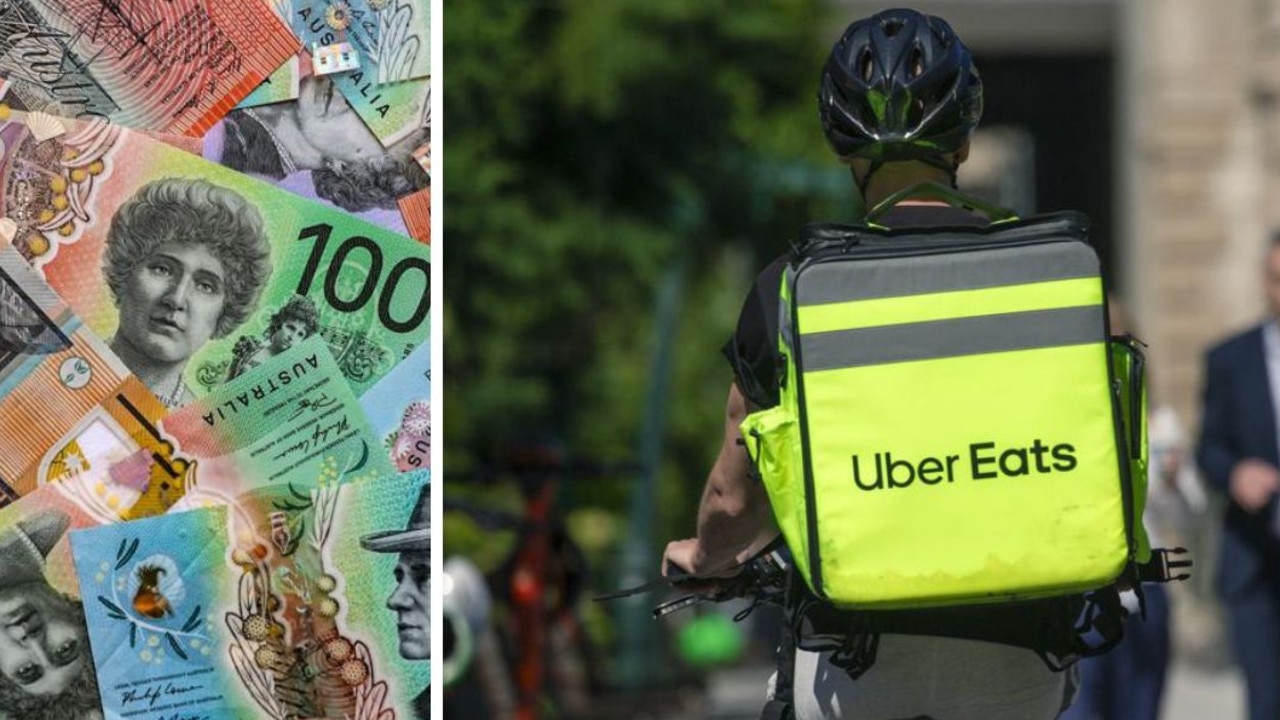
Starting this Monday, hundreds of thousands of Australian gig economy food delivery workers will see long-overdue pay increases and foundational workplace protections, after a once-in-a-decade regulatory agreement secured endorsement from the Fair Work Commission. The historic reforms, the product of years of negotiations between the Transport Workers Union (TWU), industry giants Uber Eats and DoorDash, and the Australian government, will roll out across every food delivery platform operating in the country, marking the first time gig workers classified as independent contractors have received formal minimum standards protections.
Under the agreed framework, a new minimum safety net pay structure modeled on the metered system long used in the taxi industry will take effect. Pay is counted from the moment a delivery worker accepts an order through to the completion of the drop-off, with guaranteed hourly rates between AU$31.30 and AU$32.00, adjusted based on whether the worker uses a car, motorbike, or bicycle. If a worker’s total earnings fall below this minimum threshold over a pay period, the platforms are required to cover the difference within three weeks. Beyond base pay, the new rules also grant workers access to mandatory accident insurance, formal representation rights, a seat at the table in sector-wide decision-making, and structured dispute resolution processes for unfair treatment.
TWU National Secretary Michael Kaine emphasized that the reforms correct decades of systemic exploitation that left gig workers without basic safeguards. Since the gig economy first expanded into Australia, Kaine explained, federal and state governments rolled out the red carpet for platform companies, allowing them to avoid longstanding labor protections by classifying workers as independent contractors. For years, data collected by the union showed that off-peak hourly earnings could drop as low as AU$11 an hour, well below Australia’s mandatory minimum wage, even as peak-hour earnings could exceed the new AU$32 threshold. Workers also faced arbitrary dismissal via automated algorithms, with no avenue for appeal when chatbots deactivated their accounts without cause. Most critically, Kaine noted, these poor working conditions created deadly pressure: 25 Australian food delivery riders have died in road accidents since 2017, a crisis driven by underpaying that forces workers to rush and take unnecessary risks to make ends meet. “The more you pay workers on the road, the less risks they take,” Kaine said, adding that the new rules will allow consumers to enjoy the convenience of food delivery without endangering the lives of the workers providing the service.
Industry experts frame the reforms as a global trailblazer in gig economy regulation. Associate Professor Alex Veen of the University of Sydney explained that the policy framework, a decade in development, was finalized after the Albanese government passed regulatory reform in 2024 that opened the door for the Fair Work Commission to set standards for independent contractors. Prior to the changes, the commission had no authority to set rules for gig workers, as they were not legally classified as employees. Veen noted that Australia’s sectoral approach, which allows tailored minimum standards for different types of platform work, sets a new global benchmark for gig worker protection. “This is the first ever minimum standards order issued for this workforce, after years of collaboration across government, unions, and platform companies,” Veen said.
Both major platforms have welcomed the reforms and committed to not passing extra costs onto consumers. A DoorDash spokesperson noted that the biggest outcome of the changes is long-term regulatory certainty for both businesses and workers, adding that the company plans to offset any increased labor costs through operational efficiency improvements rather than price hikes. “We are not planning price increases as a result of this order as the current rates included in the order are set at a sustainable level,” the spokesperson said. Ed Kitchen, managing director of Uber Eats for Australia and New Zealand, echoed this commitment, saying the company would prioritize internal efficiency gains to protect affordability for consumers and partner restaurants. Kaine added that years of below-market wages allowed platforms to pad their profit margins, meaning companies have room to absorb the new pay costs without raising consumer prices. If platforms do choose to increase prices, Kaine said, most consumers would likely accept a small premium to guarantee workers fair pay and safe working conditions.