Eight months after a devastating antisemitic terror attack that left 15 people dead near Sydney’s iconic Bondi Beach, Australia’s most populous state is moving forward with landmark gun control reform, launching the nation’s first post-attack voluntary firearm buyback program to get unregulated and illegal weapons off community streets. The coordinated initiative, backed by joint funding from the New South Wales (NSW) state government and the federal Australian government, will open for submissions starting November 2, offering generous cash payouts to gun owners who surrender eligible weapons for safe destruction.
The attack that prompted this reform unfolded on December 14 last year, during public Hanukkah celebrations held steps from Bondi Beach, one of Australia’s most visited tourist landmarks. Among the 15 victims were a 10-year-old child and a Holocaust survivor, a tragedy that shook the nation and spurred immediate promises of sweeping gun law changes across the country. Initial plans for a nationwide buyback were derailed by delays over funding logistics and implementation frameworks, leaving NSW to step forward as the first Australian jurisdiction to launch a cash-for-guns scheme in response to the attack.
Under the new reforms already enacted by the NSW government, individual gun owners are capped at a maximum of four firearms, with limited exceptions for farmers and competitive sport shooters who are permitted to hold up to 10 weapons. Additionally, the validity term for gun licenses has been cut from five years to just two years. This buyback program is specifically targeted at owners who hold more weapons than the new legal limit, as well as individuals who no longer hold an active license for their firearms.
NSW Premier Chris Minns laid out the goals of the initiative during comments Saturday, emphasizing that the program’s core aim is to reduce the overall number of unregulated firearms in the state. “We want those guns handed in, compensated for, and safely destroyed,” Minns said, adding that officials project hundreds of thousands of weapons could be surrendered through the voluntary scheme.
The program will roll out in two separate phases to streamline processing. The first phase, kicking off in early November, will cover standard eligible firearms including handguns, shotguns, and rifles, with payout amounts scaled to the type of weapon surrendered. For example, a surrendered revolver will net owners a maximum payout of AU$1,000, while an air rifle will earn AU$450. The second phase, scheduled to launch early next year, will handle higher-value firearms assessed at over AU$3,000, with payouts capped at AU$10,000 per weapon.
To support stakeholders adjusting to the new regulatory framework, the initiative also includes financial support for businesses and licensed gun dealers affected by the reforms, with eligible businesses able to claim up to AU$25,000 in adjustment grants.
Australian Prime Minister Anthony Albanese reaffirmed the federal government’s commitment to preventing a repeat of the Bondi attack, backing the NSW program as a key step toward broader national change. “We must do everything we can to make sure the antisemitic terrorist attack in Bondi doesn’t happen again,” Albanese said. “That includes meaningful nationwide gun reform.”
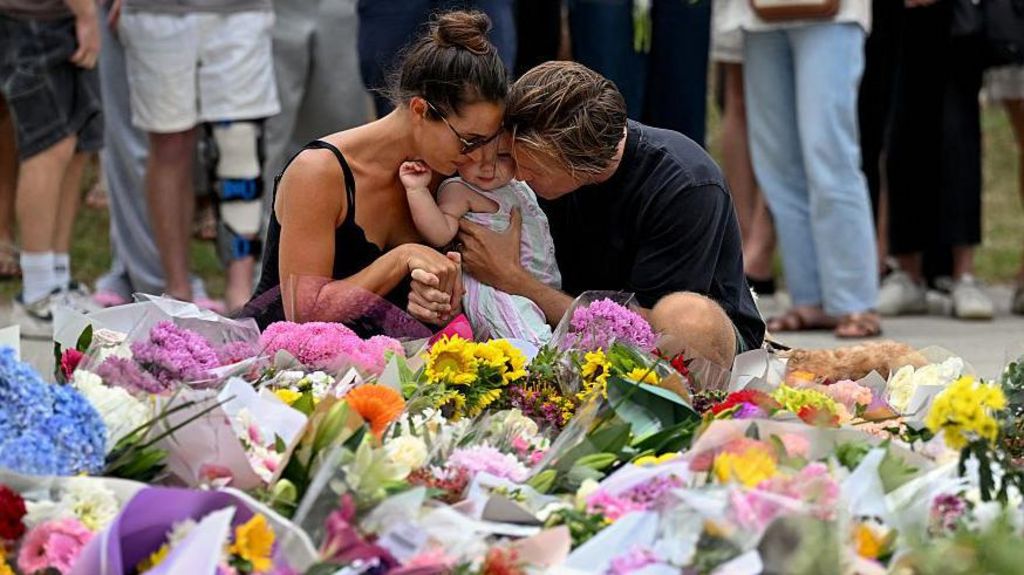
In the days after the attack, mourners from across Sydney and the country flocked to Bondi Beach to lay flowers and tributes to the victims, as national conversations around gun control and rising antisemitism intensified. Today’s policy action marks the most concrete legislative change to emerge from those conversations so far, with officials framing it as a critical step to protect Australian communities.