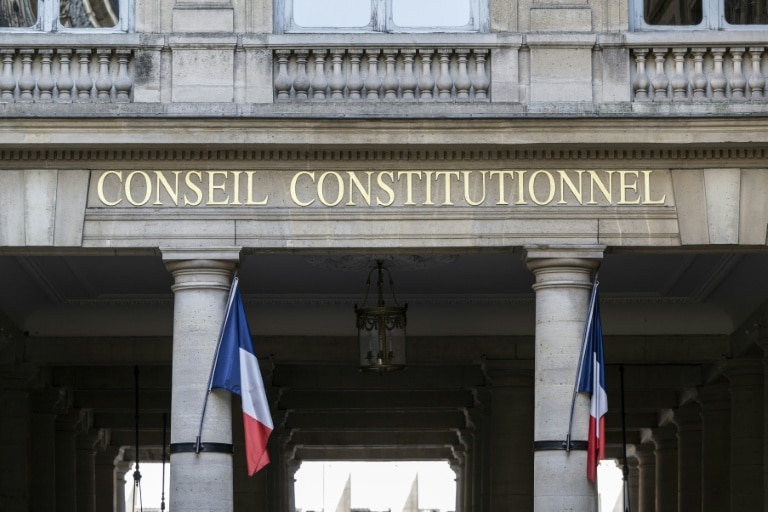
On Friday, France’s highest constitutional authority delivered a split decision on a wide-ranging legislative package, upholding a historic bill legalizing assisted dying for terminally ill adults while striking down a flagship policy of President Emmanuel Macron that would have banned social media access for children under 15. The mixed ruling creates both a key political win and a major setback for Macron’s administration, as the president pushes forward with his second-term policy agenda.
The assisted dying legislation, which cleared parliament in July following years of contentious public and legislative debate, marks one of the most significant social reforms in France since the legalization of same-sex marriage in 2012, a campaign promise Macron made after his 2022 re-election. With the Constitutional Council’s approval, France becomes the sixth country globally — joining the Netherlands, Belgium, Switzerland, Canada, and Luxembourg — to formally legalize assisted dying for eligible patients.
In a statement following the ruling, the Elysee Palace hailed the decision on assisted dying, noting that it “completes an exemplary democratic debate” and provides “essential safeguards for our fellow citizens.” The council did require minor adjustments to one key provision of the bill: the conscience clause that allows individual healthcare workers to opt out of participating in assisted dying procedures. The council ruled that the exemption must also extend to private healthcare facilities that consider assisted dying fundamentally contrary to their institutional mission, as long as the facility is not the only provider able to meet local end-of-life care needs. This adjustment aligns with a long-held demand from Catholic healthcare institutions across the country.
Under the final terms of the law, eligibility for assisted dying is restricted to adult French citizens or long-term residents who live with an incurable condition and experience unbearable, treatment-resistant pain — including patients who choose to discontinue palliative or life-sustaining treatment. Patients will primarily self-administer the lethal substance, with exceptions for patients with physical impairments that prevent self-administration, who may receive assistance from a licensed healthcare worker.
The council’s ruling on the social media provision delivered a far different outcome, striking down the under-15 ban outright in a decision that marked a major blow to Macron’s highly publicized child online protection reform. The court found that the proposed ban violated fundamental rights, arguing the restriction on under-15s’ access to social media was “neither appropriate, necessary, nor proportionate” to the government’s stated goal of protecting child welfare, and infringed on the constitutional rights to freedom of expression and communication for young people. The council also raised serious concerns about the privacy risks posed by the mandatory age verification system that would have been required to enforce the ban, which would have collected user identifying data across all social media platforms operating in France.
The proposed ban, which was scheduled to go into effect on September 1, would have barred all children under 15 from major platforms including TikTok, Snapchat, and Instagram. The Macron administration had framed the policy as a critical response to growing global research linking excessive early social media use to rising rates of adolescent anxiety, depression, sleep disorders, and online harassment. Macron publicly praised parliament for passing the legislation in July and pledged to implement it before the start of the school year.
Following the ruling, the Elysee Palace made clear that Macron has no intention of abandoning the reform, and has tasked Prime Minister Sebastien Lecornu with drafting a new “legally robust” version of the child online protection legislation as quickly as possible. The new draft will need to align both with the Constitutional Council’s ruling and existing European Union digital regulatory frameworks, the presidency said, adding that Macron’s “determination to see the reform implemented remains undiminished.”
Former Prime Minister Gabriel Attal, a prominent supporter of the original ban, expressed disappointment with the ruling in a post on X. “We take note of it and respect this decision, which applies to everyone,” he wrote, vowing to continue fighting against what he described as social media being “a deadly poison for our children.”
Notably, the court did not strike down a separate provision in the same legislative package that bans personal mobile phone use in all French high schools, which is still set to take effect September 1. The ruling comes as a growing number of countries around the world are exploring targeted regulations to limit children’s social media access, amid mounting public health warnings about the impact of unregulated early social media use on adolescent mental health.