A devastating maritime incident has left dozens of people unaccounted for and multiple feared dead after a passenger vessel capsized on Lake Kariba, the massive cross-border man-made reservoir shared by Zimbabwe and Zambia. Rescue teams have been deployed to the disaster site, working against time to locate survivors and recover victims after the Tuesday sinking.
Conflicting figures have already emerged over how many people were actually aboard the ill-fated boat when it overturned. Zimbabwean police initially confirmed that 90 passengers and 5 crew members were listed as being on the vessel, totaling 95 people. However, official data from ticket sales collected by Zimbabwe’s Civil Protection Unit, as cited by the Associated Press, tells a different story: registered sales indicate 114 adult passengers bought tickets for the journey. Authorities have also warned that an unknown number of unregistered children below the minimum ticketing age may also have been on board, meaning the final total of people on the vessel could be far higher than initial estimates.
A witness who spoke to Agence France-Presse said the boat departed on its morning journey despite adverse weather conditions on the lake. The prevailing theory among investigators and witnesses is that a large wave struck the overloaded vessel, causing it to capsize quickly. Local law enforcement has not ruled out overloading as a key contributing factor to the tragedy.
The vessel was carrying community members traveling across the lake to Kariba town, a five-hour crossing that locals rely on for daily transport, according to Mutsa Murombedzi, a local member of parliament. Murombedzi published a video on the social platform X showing the boat shortly before it departed on its fatal journey. In her post, she pushed for full transparency from authorities, writing: “We have very hard questions that require honest answers. The officials must release the correct number of who were onboard.”
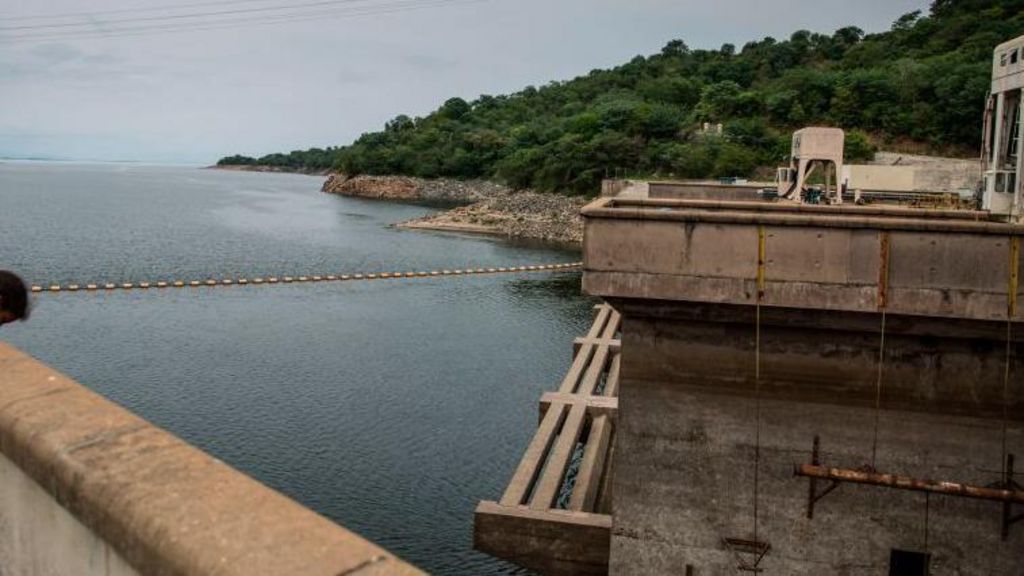
Lake Kariba ranks among the largest man-made reservoirs on Earth, serving as a critical infrastructure asset for both Zimbabwe and Zambia. Beyond supporting local fishing and commercial transport industries, the reservoir generates the vast majority of hydroelectric power for both Southern African nations, underpinning their national energy grids.
As of Wednesday, Zimbabwean police have not released updated figures on confirmed fatalities or the number of people rescued. Officials stated that formal updates with full details will be published “in due course” as rescue operations continue. For more full coverage of Southern African news, visit BBCAfrica.com and follow BBC Africa across social media and podcast platforms.