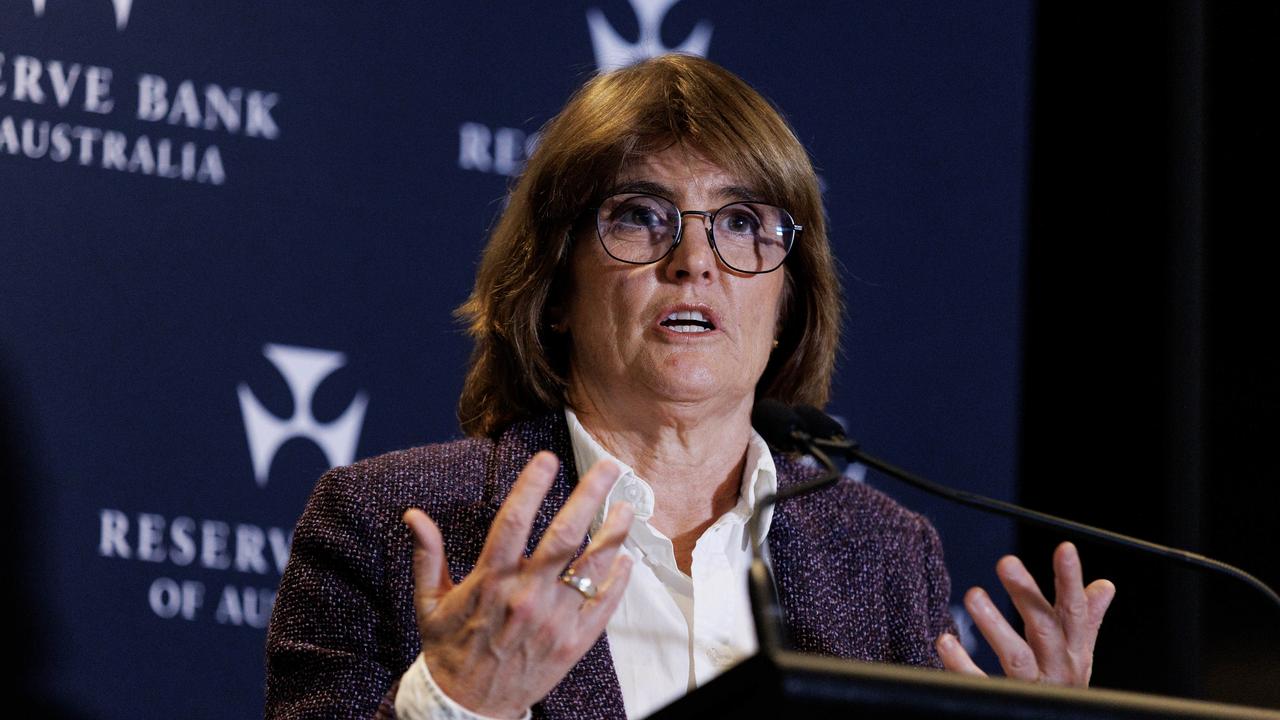
Australian mortgage borrowers caught a brief reprieve this week, but the prospect of additional interest rate increases has re-emerged as a clear and present risk after the Reserve Bank of Australia’s latest monetary policy decision. On Tuesday, the RBA board voted to keep its benchmark official cash rate steady at 4.35%, ending immediate speculation of a May hike. But accompanying remarks from RBA Governor Michele Bullock made clear that further monetary tightening remains firmly on the table as the central bank doubles down on its fight to curb persistent above-target inflation.
In post-announcement comments, Bullock confirmed that the RBA board actively debated a rate increase at this month’s meeting — a departure from the bank’s May session, when a hike was not discussed. She emphasized that the central bank remains fully committed to taming inflation, rejecting criticism that policymakers have moved too slowly to address price pressures. “We’ve raised three times. And we raised before any other central bank did. And some others are now raising,” Bullock told reporters. “So I think we’ve demonstrated that we will react when we need to and we’re serious about it.” Crucially, she added that board members did not entertain any discussion of interest rate cuts during the session, only evaluating the case for another upward adjustment.
Financial markets reacted swiftly to the central bank’s messaging, revising up their expected probability of a rate hike by the end of 2024 from 15% prior to the announcement to 47% by Tuesday’s market close. Even with that adjustment, however, industry analysts warn that investors are still significantly underestimating the risk of additional tightening.
Russel Chesler, head of investments and capital markets at global asset manager VanEck, argues that current economic data leaves the RBA with a strong case to move rates higher again before the end of the cycle. “While the market is not predicting another increase to the cash rate this year, we think that the market could very well be wrong,” Chesler said. He points to the RBA’s preferred trimmed mean inflation measure, which excludes the most volatile 15% of price movements in both directions, that currently sits at 3.8% — still well above the central bank’s official 2-3% annual inflation target.
Chesler noted that Australia’s inflation pressures are broad-based and driven by domestic fundamentals, rather than temporary, one-off price shocks that the central bank can overlook. “Housing remains the biggest pressure point, rising 6.8 per cent over the year to 30 June 2024, driven by electricity prices increasing 22.4 per cent, new dwelling costs rising 5.8 per cent and rents climbing 3.6 per cent,” he explained.
Brendan Rynne, chief economist at professional services firm KPMG, echoed Chesler’s outlook, noting that the RBA is caught in a high-stakes balancing act. The central bank aims to return inflation to its target range without triggering unnecessary harm to the country’s labour market, but Rynne pointed out that price stability remains the RBA’s core legal mandate. “On balance, we would not be surprised to see another rate increase in the coming months if inflation and labour market data remain stubbornly strong,” Rynne said.
Upcoming economic releases are expected to play a decisive role in the RBA’s next policy moves, and analysts say new data could reinforce the case for a hike. The Albanese government’s temporary fuel tax cut, which saved motorists 32 cents per litre at the peak of 2024 petrol price surges, has already been wound back and will fully expire in August. That means upcoming consumer price index (CPI) data from the Australian Bureau of Statistics will reflect a full rebound in fuel costs, pushing headline inflation higher. Additional upward pressure comes from this year’s 6% minimum wage increase, which could feed into broader core inflation, while Australian household spending has remained far more resilient than many forecasters predicted just months ago.
Chesler reiterated that Bullock has explicitly signaled the RBA’s willingness to make unpopular policy moves to get inflation under control. “Michelle Bullock has explicitly warned that the board remains prepared to make “difficult decisions “and implement further rate hikes if inflation fails to come down as expected,” he said. “So, there could very well be one more rate hike in this cycle.” The RBA’s next policy moves will depend heavily on two key upcoming releases: second quarter wage growth data and July CPI figures, both due for publication later this month.