As New South Wales (NSW) braces for what state leaders call the most challenging three weeks of the winter respiratory season, the Australian state government is moving aggressively to clear a years-long backlog of delayed elective procedures by expanding a specialized, high-efficiency surgical model across public hospitals.
Launched in late 2025 with a AUD 30 million state investment, High Volume Short Stay (HVSS) units are dedicated hospital wings designed exclusively to handle low-complexity, same or short-day surgeries. Under the new expansion plan, these specialized units will deliver an additional 2,300 routine procedures over the coming 12 months, with the full capacity target expected to be met by July 1, 2027, according to projections from NSW Health.
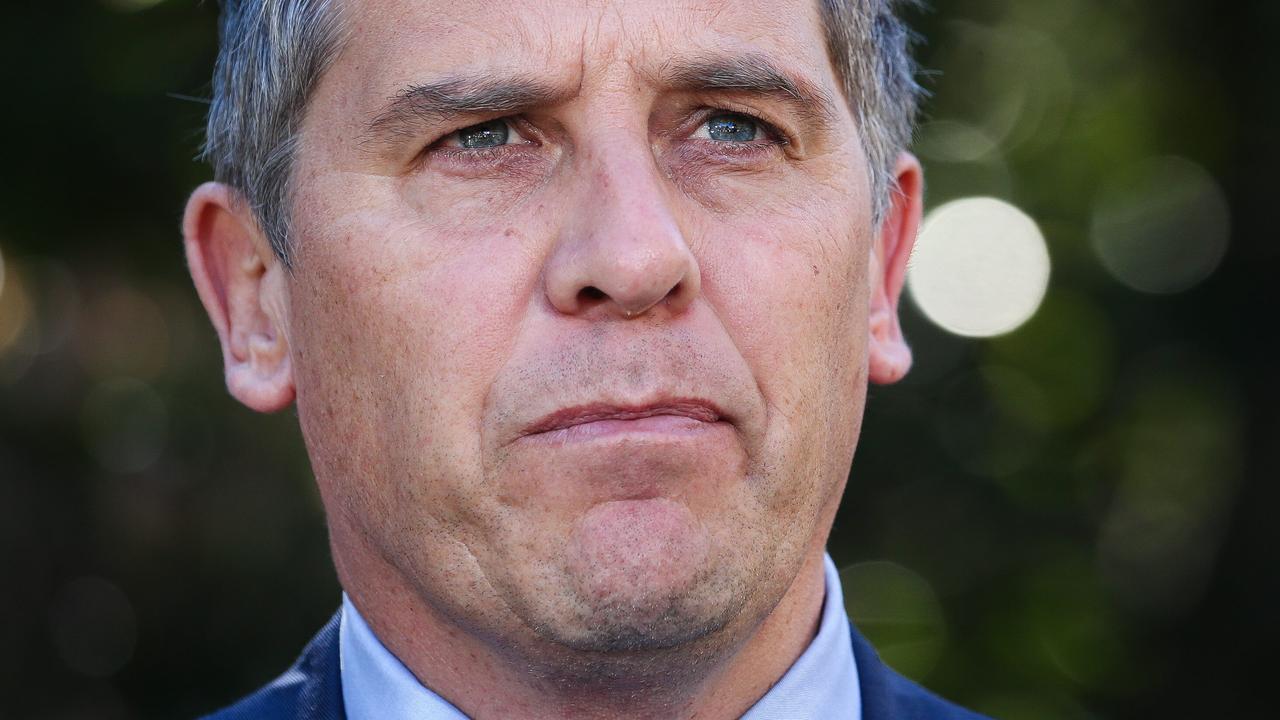
State Health Minister Ryan Park explained that the HVSS model is a core pillar of the current government’s pledge to eliminate the state’s long-delayed surgery waitlist, which swelled to a peak of more than 18,000 under the previous state administration. As of March 2026, government data shows the backlog has already been cut to roughly 4,000 cases, marking significant progress in clearing the backlog left by the prior government.
“We are investing in surgery services across the state, expanding access to care, cutting wait times, and improving patient outcomes,” Park said in a press statement. “These high volume surgical programs are exactly the kind of innovative care we want to see, and I’m looking forward to seeing this model expanded across NSW.”
The procedures handled by HVSS units cover 80 percent of all routine surgeries performed across NSW’s public health system, spanning common, low-risk procedures across ear, nose and throat care, general surgery, gynecology, urology, ophthalmology, and orthopedics. Currently, the units operate at five strategic locations: Campbelltown in outer western Sydney, Shellharbour, Wagga Wagga, Western NSW, and the Mid North Coast, bringing expanded care access to both metropolitan and regional communities.
The expansion comes as NSW’s public hospital system grapples with an unprecedented winter surge in patient demand. Last week, Premier Chris Minns issued a public warning that emergency departments across the state were preparing for the “worst three weeks of the year”, urging patients with non-life-threatening conditions to seek care from alternative providers to ease pressure on overstretched emergency teams.
“To the extent that you can go to an urgent care clinic or see your GP … if it’s not life-threatening, we genuinely suggest that you do that so the doctors can focus and nurses can focus their efforts and attention on people that are about to die,” Minns said.
The scale of the surge already being felt was underscored by new data: Park confirmed that just under 10,000 patients presented to Sydney emergency departments on Monday, breaking the record for the busiest winter day on record. The state also recorded roughly 4,100 ambulance call-outs on the same day, pushing emergency response systems close to capacity.
Beyond the seasonal surge, Park has repeated calls for the federal government to intervene to resolve the ongoing “bed block” crisis, which sees hundreds of aged care patients stranded in public hospital beds while waiting for commonwealth-funded aged care support packages. In June, state data showed the number of these so-called stranded patients had jumped to nearly 1,300, further reducing available capacity for acute and emergency care across the state.