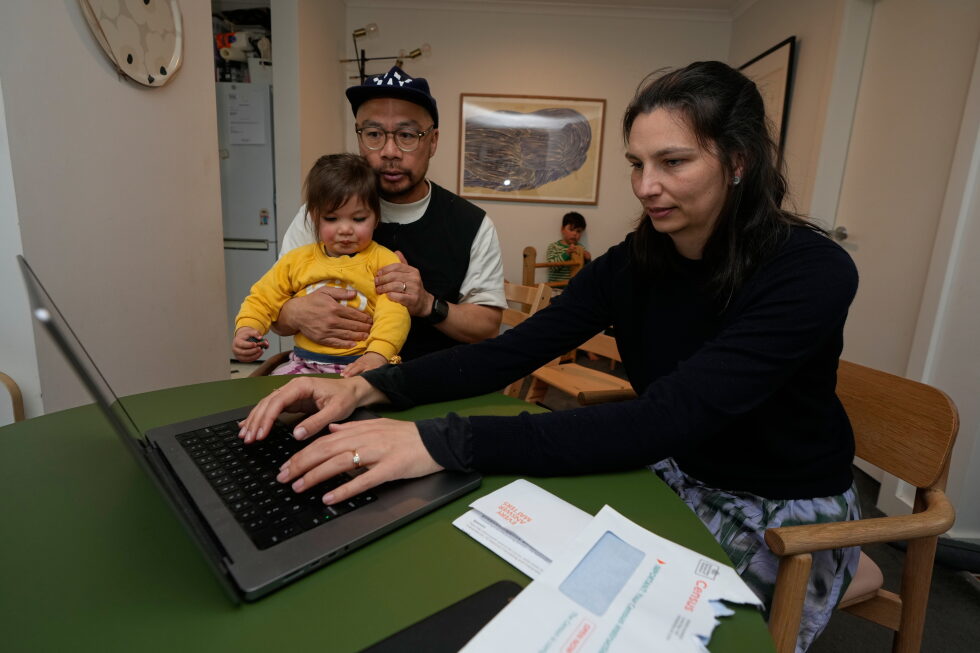
Australia’s five-year national census, carried out on August 11, 2024, marks a landmark milestone for LGBTQ+ inclusion across the country, as it introduces the first-ever questions about sexual orientation and current gender identity for respondents aged 16 and older. This iteration of the 66-question survey is also the first national census conducted under Australia’s center-left Labor Party government since the party returned to power in 2022, following nine years in opposition.
The addition of these new questions was not without political controversy. Two years ago, the current Labor government initially dropped the planned questions, labeling them as potentially divisive, and reaffirmed that position as recently as August 2024 when Deputy Prime Minister Richard Marles stated the government would avoid deviating from the 2021 census question set to preserve social cohesion. However, just days after this announcement, the government reversed course amid intense public backlash from LGBTQ+ rights advocates and internal criticism from progressive members of the Labor caucus. Prime Minister Anthony Albanese — who has participated in Sydney’s annual Gay and Lesbian Mardi Gras twice since taking office — confirmed the reversal in a public radio interview, reinstating the two contested questions ahead of census day.
Both new questions are optional, mirroring the longstanding optional question about religion that has appeared in every Australian census since 1911. For the sexual orientation question, respondents can select from pre-written options: straight, gay or lesbian, or bisexual; additional options include “don’t know”, “prefer not to answer”, or a blank space to write in a self-described orientation. For gender identity, respondents who identify with a gender different from that recorded at birth can select man, woman, nonbinary, “prefer not to answer”, or write in another gender identity.
The Australian Bureau of Statistics (ABS), which is responsible for designing census question wording and administering the national count, found widespread public demand for the new questions during pre-census public consultations. ABS Chief Statistician David Gruen explained the reasoning behind making the questions optional to Australian Broadcasting Corporation, noting that while collection of this data is deeply important for many segments of the population, other respondents prefer not to share this personal information.
Demographic experts point out that Australia is playing catch-up to other comparable high-income democracies that have already collected this data through national censuses. The United Kingdom included similar questions in its 2021 census, New Zealand added the questions in 2023, and Canada carried out its own inquiry with these questions just three months before Australia’s 2024 count. Liz Allen, a leading demographer at Australian National University, noted that the previous conservative Australian government refused to act on calls to add the questions, leaving the ABS unable to move forward with the change before the 2024 count. Allen also added that the current questions have a gap: they do not include a specific option for intersex people, who are born with biological sex characteristics that do not fit typical binary definitions of male or female.
By comparison, the United States’ most recent 2020 decennial census only allowed two binary gender responses and did not ask specifically about sexual orientation, though it did permit same-sex couples to list their relationship for the first time in the household section.
The ABS projects that 85% of respondents will submit their census forms online this cycle, up from nearly 80% in 2021 when much of Australia was under COVID-19 pandemic lockdown. Paper forms are available on request, and field outreach workers are deployed to support participation among people experiencing homelessness and residents of remote regional areas. While completion of the core census is legally required, with fines of up to 257 Australian dollars per day for non-compliance, the new gender and sexual orientation questions remain entirely voluntary. As of the Monday before census day, more than 3.6 million completed forms had already been submitted, with officials expecting a total of 11 million completed responses by the close of the collection period.