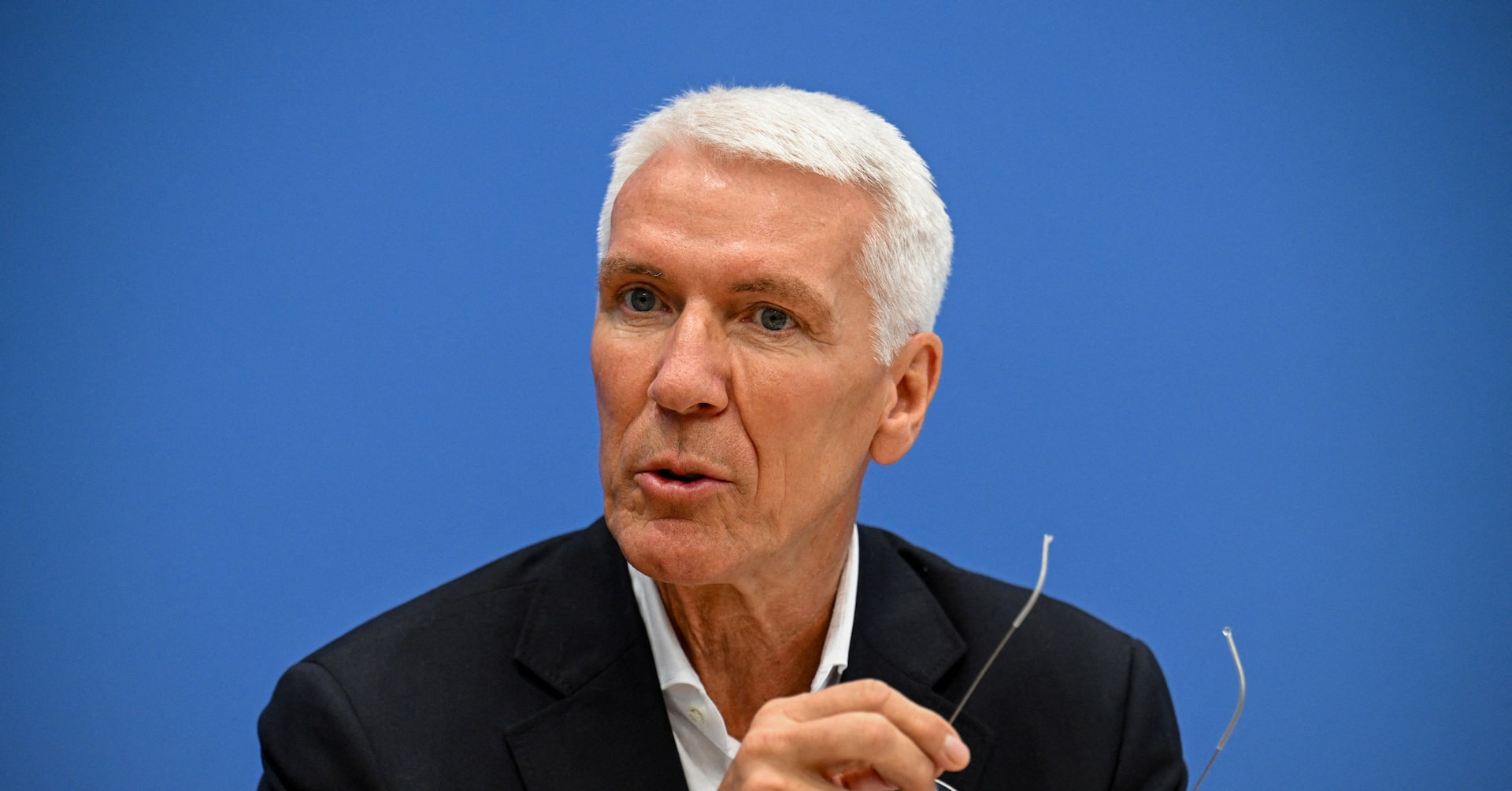
The German economy suffered staggering losses of nearly €300 billion ($354.99 billion) over the past year due to a surge in cyberattacks, according to a recent survey by industry group Bitkom. The report, unveiled on September 18, 2025, in Berlin, highlights that foreign intelligence agencies, particularly from Russia and China, are increasingly behind these attacks, overshadowing traditional cybercriminals. Ralf Wintergerst, President of Bitkom, emphasized during a press conference that nearly half of the companies able to trace the origins of attacks identified Russia and China as the primary sources, while a quarter pointed to other EU countries or the United States. The survey, which polled 1,002 companies, revealed that ransomware attacks, which lock data until a ransom is paid, were the most prevalent, affecting 34% of businesses—a significant jump from 12% in 2022. One in seven companies admitted to paying ransoms. While large corporations were generally well-prepared for the escalating cyber threats, small and medium-sized enterprises, which form the backbone of Germany’s economy, were found to be more vulnerable. The €289.2 billion in damages primarily stemmed from production losses, theft, and substantial legal and remediation costs. Sinan Selen, Deputy Head of Germany’s domestic security service BfV, noted that the lines between cybercrime and cyberespionage are increasingly blurred, with state actors often purchasing credentials from criminals on the dark web. He also identified Iran and North Korea as significant sources of cyberattacks. The findings underscore the growing complexity of cybersecurity in an era of heightened geopolitical tensions, particularly since Russia’s invasion of Ukraine in 2022.