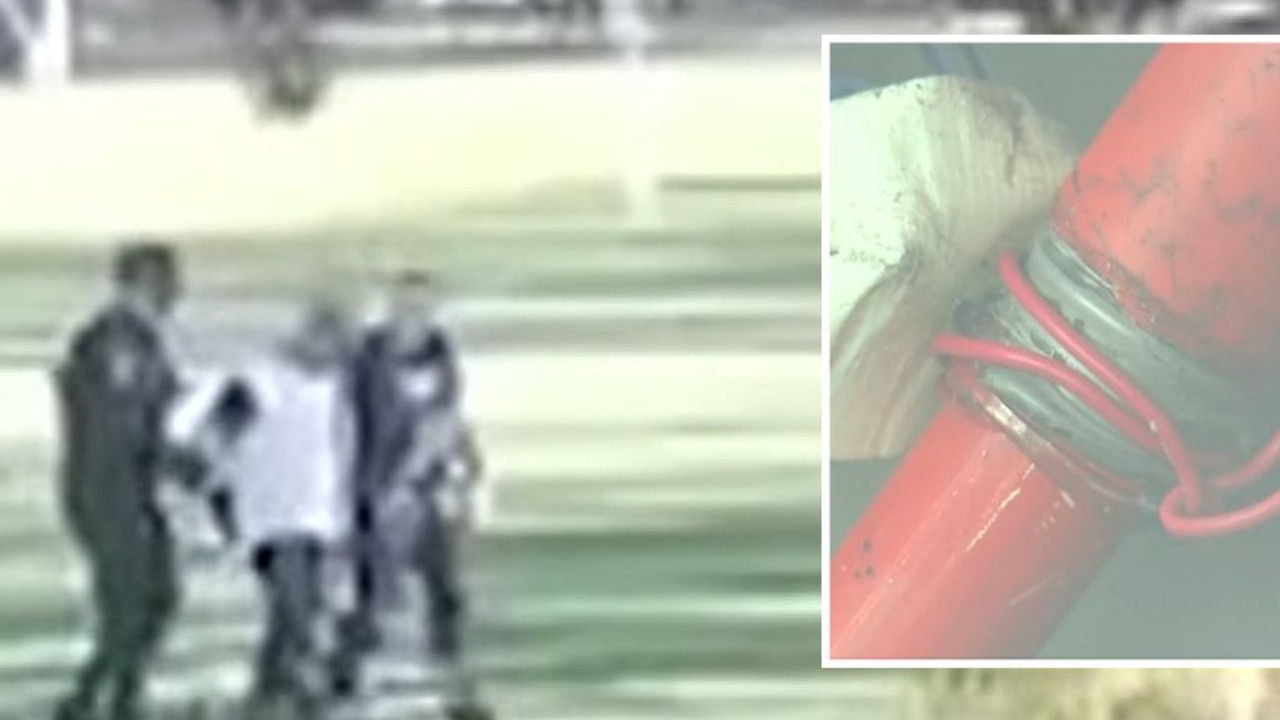
A high-stakes emergency incident that unfolded just days before Christmas in suburban Adelaide has concluded with a sentencing that will see the man at the center of the scare walk free from custody in less than a fortnight. On December 23, concerned members of the public in Clovelly Park, a residential neighborhood roughly 7 kilometers south of Adelaide’s central business district, called police after spotting 39-year-old Tristan Atkins slumped unconscious in a running vehicle. What started as a standard welfare check quickly escalated into a major bomb response when officers discovered two homemade explosive devices stowed inside the car.
The discovery sparked particular anxiety across the region, coming only days after the fatal terror attack at Sydney’s Bondi Beach that put Australian law enforcement on high alert for further violence. Atkins, who was homeless and sleeping in his vehicle at the time of the incident, was taken into custody immediately and charged with two offenses: possessing materials for explosive manufacturing and taking preperatory steps to build an explosive device. He entered guilty pleas at an earlier court hearing, and his sentencing was handed down Monday at South Australia’s District Court.
While the court did not hear a detailed account of why Atkins had the devices in his possession, prosecutors confirmed his intentions were not classified as malicious or terror-related. According to Judge Nicolas Alexandrides, who presided over the sentencing, Atkins told authorities he had acquired the components to build sparkler bombs, which he claimed he believed were comparable to legal consumer fireworks. Judge Alexandrides noted that Atkins had stored the components in his car only after collecting them from a recently vacated rental property, and that he failed to grasp how dangerous the unregulated devices actually were.
“The explanation you provided for possessing these materials is inadequate, and it does nothing to reduce the risk or potential harm that came from keeping them in your vehicle,” the judge stated in his remarks. “While these devices were unlikely to cause death, they were fully capable of inflicting catastrophic permanent injury, including the loss of a hand or arm.”
In total, Atkins was sentenced to 11 months and eight days in prison, with a non-parole period of eight months. Because the sentence was backdated to the date of his arrest on December 23, Atkins has already served the vast majority of his sentence behind bars. He will become eligible for release from custody in just two weeks. The incident triggered a massive emergency response at the time, including the deployment of specialist bomb disposal units and increased police patrols through the Clovelly Park residential area, with the devices found stowed on the passenger seat and inside the driver’s side door compartment. The court also acknowledged that Atkins had been experiencing significant personal hardship in the period leading up to the incident, which contributed to him living out of his vehicle.