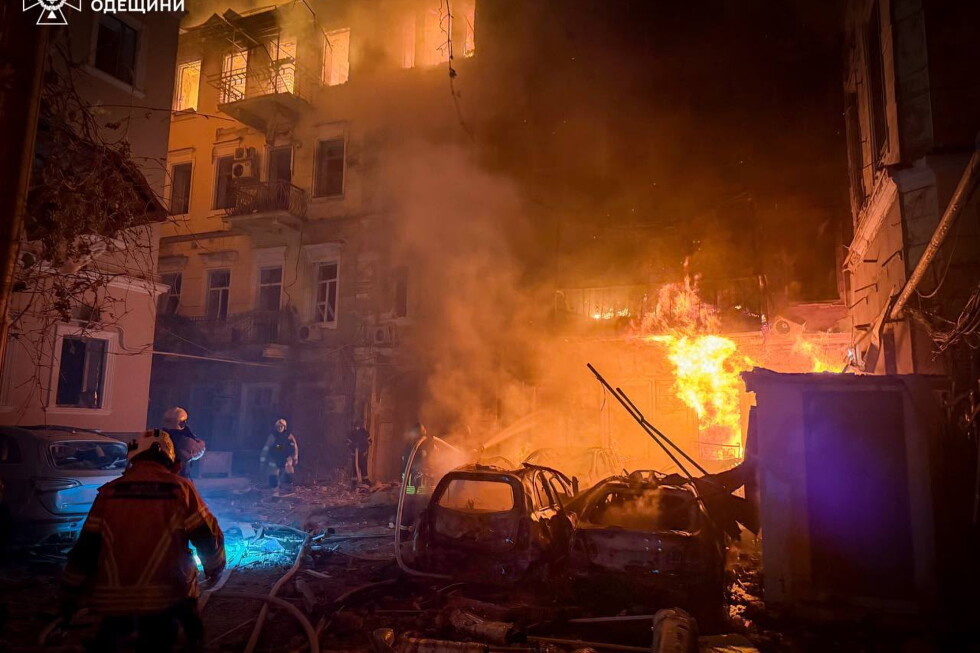
In a fresh cycle of escalated cross-border hostilities between Russia and Ukraine, overnight mutual strikes have left multiple civilians dead and dozens injured across populated areas on both sides, regional officials confirmed this week.
The deadliest assault on Russian territory unfolded in Belgorod, a border region that has faced repeated attacks in recent months. The regional administration announced that Ukrainian drone strikes resulted in five civilian fatalities and wounded 24 people, among them a four-year-old child. The attacks also caused widespread structural damage: 29 apartment buildings, five private residences, government administrative facilities, and multiple commercial sites were left damaged or destroyed by the blasts.
On the Ukrainian side, Russian missile and drone attacks targeted three major population centers, leaving civilian infrastructure in ruins and causing further casualties. In Kharkiv’s Saltivskyi district, a Russian missile strike directly hit a multi-story residential apartment block, killing two people and wounding 13 others, regional governor Oleh Syniehubov reported. Separately, in the strategic Black Sea port city of Odesa, an assault involving “dozens of missiles and drones” left eight additional people injured, according to local regional head Oleh Kiper.
Russia’s defense ministry pushed back on the Ukrainian civilian casualty accounts Sunday, claiming its overnight operations exclusively targeted military assets: it said strikes successfully hit Ukrainian drone storage facilities in the Kharkiv region, and destroyed fuel depots and military equipment stockpiles at the Odesa port. The ministry added that Russian air defense systems intercepted and downed 153 Ukrainian drones overnight, with engagements taking place over Russian-occupied Crimea, the Black Sea, and the Sea of Azov.
This latest round of large-scale Russian missile attacks on major Ukrainian cities follows a now near-daily pattern that has emerged over recent weeks. Moscow has actively exploited a critical gap in Ukraine’s air defense capabilities: Kyiv currently faces a severe shortage of interceptor missiles for its U.S.-manufactured Patriot air defense systems, the only weapon in Ukraine’s arsenal capable of shooting down incoming Russian ballistic missiles.
Ukrainian President Volodymyr Zelenskyy has spent months lobbying Western allies, particularly the United States, to supply additional Patriot systems and ammunition. Global stockpiles of these critical defense components have already been depleted by high demand tied to the ongoing conflict between Israel and Iran-backed groups, making additional deliveries far harder to secure.
Failing to secure sufficient foreign supplies of Patriot interceptors, Zelenskyy has outlined two alternative contingency plans: establishing domestic production of Patriot ammunition within Ukraine, or securing approval from billionaire entrepreneur Elon Musk to leverage his Starlink satellite communications network to guide Ukrainian strikes against Russian missile launch sites deep inside Russian territory.
Meanwhile, Kyiv has continued its own campaign of long-range drone strikes against targets deep within Russian borders. Recent strikes have targeted Russian energy infrastructure, as well as high-profile domestic assets including Wildberries, Russia’s largest e-commerce retailer. These sustained attacks on energy facilities have already sparked widespread fuel shortages across parts of Russia.