On Friday, Colombia swore in Abelardo de la Espriella as its new president, marking a sharp rightward turn for the Andean nation and ending four years of rule by the country’s first left-wing government. The 48-year-old former lawyer, who holds dual U.S.-Colombian citizenship, used his inauguration to lay out an aggressive security agenda centered on cracking down on drug-trafficking armed groups and forging close alignment with the United States, a stark departure from his predecessor’s tenure marked by repeated diplomatic tensions with Washington.
Breaking with decades of inauguration tradition that centered the ceremony in the formal capital of Bogota, de la Espriella hosted the event in Cali – the tropical southwestern city known globally as Colombia’s salsa capital. To secure the event, which unfolded in a city that has faced repeated guerrilla pipe bomb attacks in recent years, authorities deployed 11,000 security personnel and an advanced anti-drone system.
Immediately after taking their oaths of office, de la Espriella and Vice President Jose Manuel Restrepo embraced, cheered, and carried out the signature military salute that defined their campaign. In his policy pledges, the new president has promised a hardline approach: he says he will order airstrikes on jungle cocaine production labs, construct large-scale “mega-prisons” to hold detained offenders, and drastically downsize the size of Colombia’s federal government.
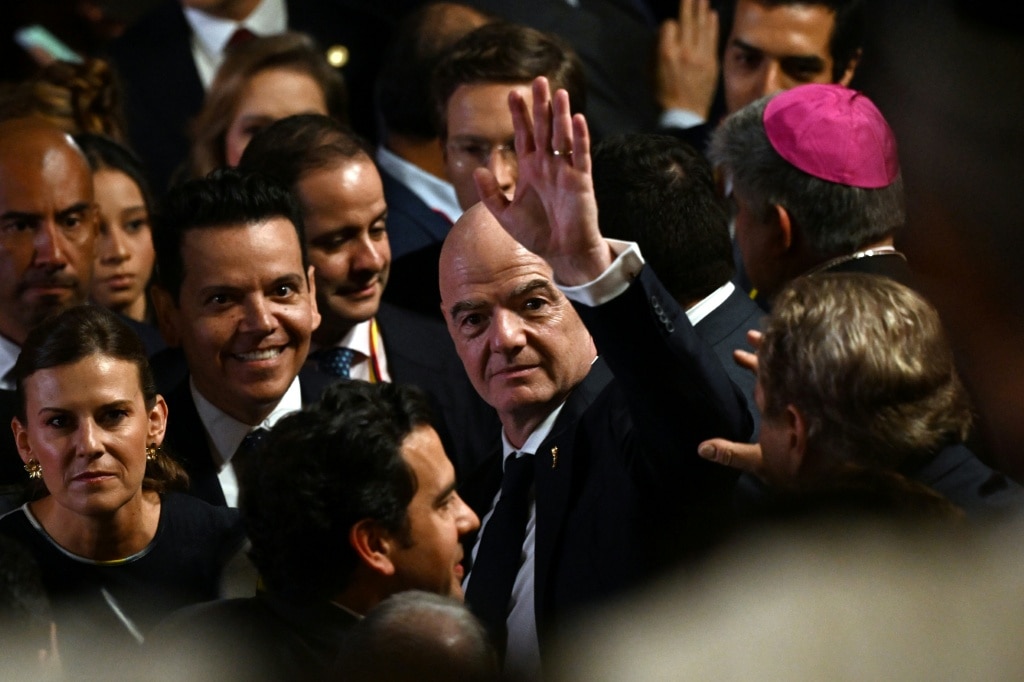
A long list of high-profile international guests attended the inauguration, signaling the new government’s ideological alignment. Attendees included Argentina’s right-wing President Javier Milei, FIFA President Gianni Infantino (who has faced widespread criticism over his now-shelved plan to allow private investment in major FIFA competitions), and Todd Blanche, former acting U.S. Attorney General and a key legal ally of former U.S. President Donald Trump, who led the official U.S. delegation. De la Espriella’s leftist predecessor, Gustavo Petro, boycotted the ceremony, having already vacated the presidential palace in Bogota earlier Friday, leaving with the farewell message “farewell, freedom and life.”
De la Espriella’s narrow election victory in June – he won by less than one percentage point against leftist candidate Ivan Cepeda – brings the latest win for right-wing movements across Latin America, where candidates running on tough-on-crime pledges have flipped control of governments from Chile to Costa Rica in recent years. The new president has dubbed his security strategy “Plan Colombia II,” a reference to the massive U.S.-funded anti-drug and counter-insurgency initiative of the 2000s. He has proposed a formal military alliance with the United States and Israel to advance his campaign against armed groups, and has already offered to allow joint military operations on Colombian soil and host U.S. military personnel – a major diplomatic shift after four years of public spats between Petro’s government and the Trump administration.
Colombia has faced years of instability following the breakdown of peace negotiations with disparate armed groups, which originally formed as ideological insurgencies but now largely profit from cocaine trafficking and other illicit criminal activity. Petro’s government attempted to negotiate a permanent truce with these groups, but the effort collapsed, and analysts report the gangs used the ceasefire period to expand their control and operations. Supporters of the new president say his hardline approach is exactly what Colombia needs to reverse rising crime and instability. “We have to support him so there won’t be so much crime. We need a complete change,” 63-year-old contractor German Angulo told AFP in Cali following the inauguration.
Not all observers are optimistic, however. De la Espriella enters office facing a divided Congress, where his coalition does not hold a legislative majority, limiting his ability to push through major policy changes. The original 2000s Plan Colombia, while successful in weakening major insurgent groups, also faced widespread international condemnation over documented serious human rights abuses. Petro, for his part, has not conceded defeat gracefully: he has called for mass anti-government protests across major Colombian cities on inauguration day, repeating unsubstantiated claims of widespread election fraud. For ordinary Colombians, the new government faces high expectations to deliver on its campaign promises, as many communities continue to grapple with persistent violence and organized crime. “This government has a lot to prove. A lot was said during the campaign,” 46-year-old Cali resident Marisol Peira told reporters.