As Australia’s federal, state and territory women’s ministers gather for the national Women’s Safety Ministers Council, the Australian Greens have issued a stark warning: a $4 billion-plus funding gap is putting thousands of women and children fleeing domestic violence at grave risk of returning to abusive situations due to a critical shortage of accessible, affordable housing.
New data from the 2024-25 Australian Institute of Health and Welfare (AIHW) underscores the severity of the crisis. Women and children escaping family and domestic violence make up the single largest group of people seeking support from specialist homelessness services across the country, with more than 100,000 survivors reaching out for help annually. Despite this overwhelming demand, the system is failing to deliver: nearly 12,000 women and children are turned away from life-saving short-term accommodation each year, and roughly 60% of survivor-victims leave crisis housing without securing stable long-term housing. For many of these people, the only available option is to return to live with their abusive perpetrator.
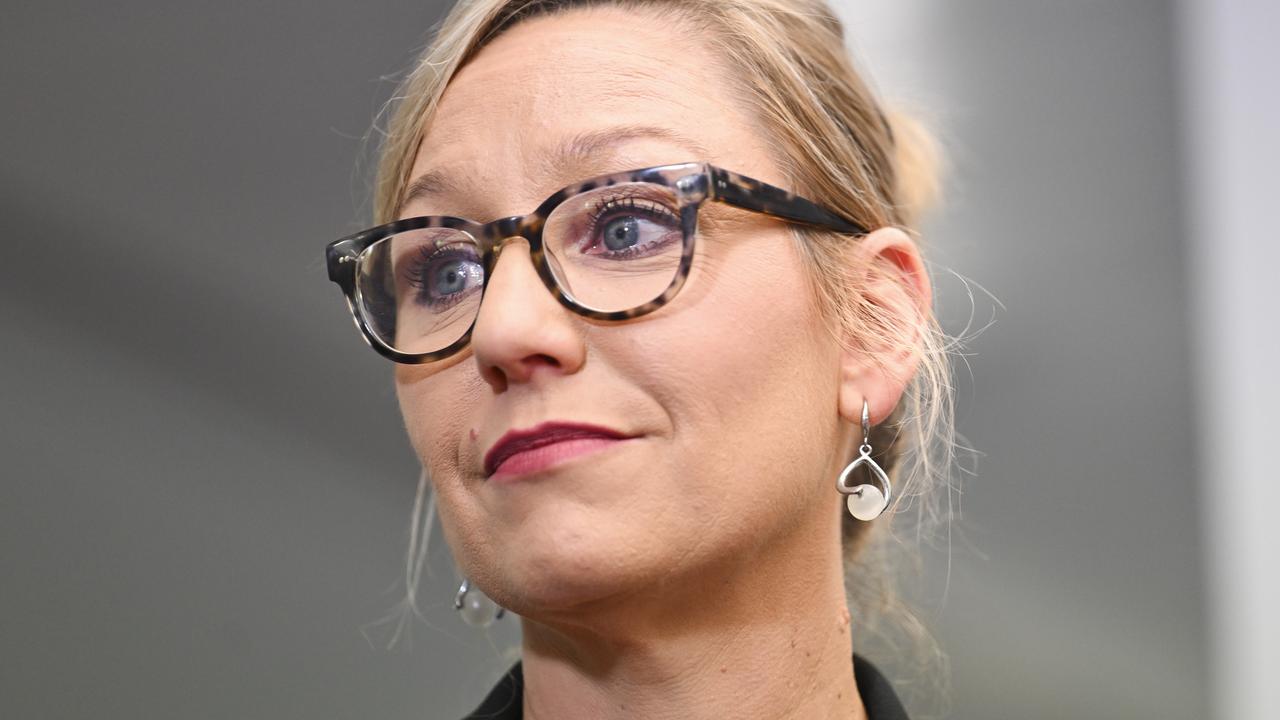
Greens leader Larissa Waters emphasized that the national housing and homelessness crisis is not just an economic issue—it is a core women’s safety issue. “When politicians ask ‘why didn’t she just leave?’ they’re ignoring that unaffordable housing, skyrocketing rents, and widespread shortages of crisis and transitional housing leave women and children with nowhere to go,” Waters said in a statement released ahead of the council meeting.
Waters noted that soaring housing costs have pushed more survivors to seek help from crisis accommodation and frontline support services, but the overstretched sector is on the brink of collapse. “The sector is breaking at the time it is needed most, forcing services to turn away women and children every day,” she said. “This is something that the government can, and must, fix by investing in public housing and frontline services.”
Speaking directly to the ministers gathering for Friday’s summit, Waters called on national and state leaders to step up and address the unmet need. She pointed out that the $4.6 billion the Greens say is needed to close the housing gap amounts to less than a quarter of the annual revenue that would be raised by a tax on gas exports, and a tiny fraction of the billions the Australian government has committed to the AUKUS nuclear submarine program, a project Waters argued wastes public funds on defense assets that may never be delivered.
Waters also criticized the ruling Labor government for dragging its feet on responding to the crisis. “Labor knows there is massive unmet need, but even their pilot project to collect data on that need is years overdue and just got another extension,” she said. “The sector, and the women and children who rely on it, cannot wait any longer. Labor must start prioritising people over corporate profit and investing in the things that people need to survive and live a good life.”
To date, government commitments have fallen far short of what is required. The Albanese Labor government has allocated $100 million for new crisis, transitional and youth housing as part of its $1 billion Housing Australia Future Fund, launched in 2023. The fund’s stated goal is to deliver 55,000 new social and affordable homes by mid-2029, but the broader program has faced ongoing implementation delays and challenges, and independent analysis suggests it is unlikely to hit its target.
At the state level, the New South Wales government committed $130 million last year to expand crisis accommodation beds for people experiencing homelessness, on top of a $6.6 billion state housing program that aims to deliver 8,400 new public homes, with at least half reserved for women and children escaping violence. Even with these investments, Greens and frontline service providers agree that national collective action and far greater public investment are needed to end the preventable crisis putting survivors’ lives at risk.