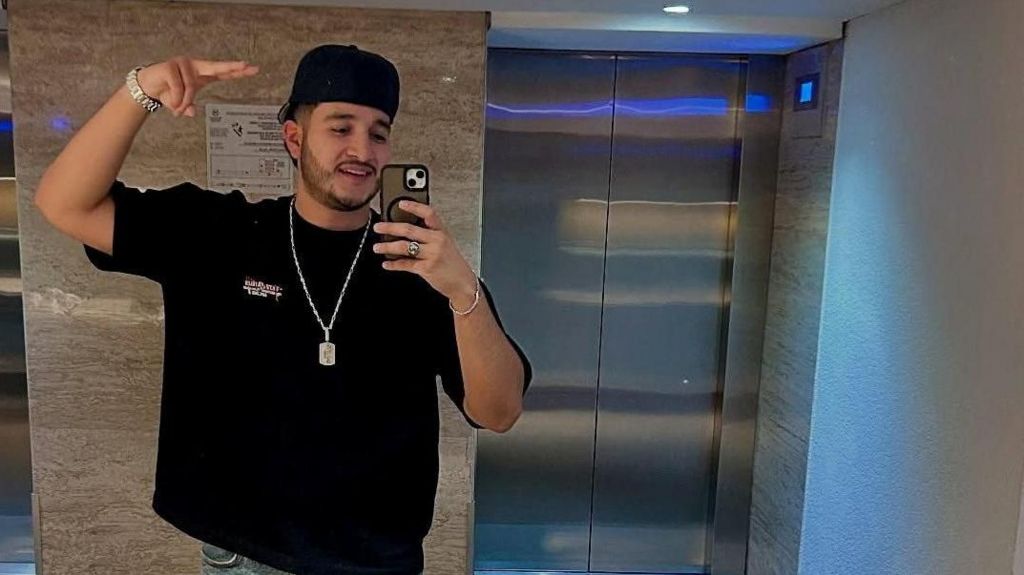
The brazen, livestreamed assassination of Mexican social media influencer César Gastélum in Culiacán, the capital of violence-plagued Sinaloa state, has cast a harsh new spotlight on the growing intersection between digital content creation and organized criminal violence that has terrorized the region for years. The killing, which unfolded in seconds in broad daylight outside a local fast-food restaurant, was captured in real time for Gastélum’s online audience: two armed men on a motorcycle pulled up alongside the influencer, who was chatting with friends during the broadcast, and the passenger fired a close-range shot to Gastélum’s head before the pair sped away from the scene.
While the Sinaloa state prosecutor’s office has released only limited details about the ongoing investigation into the murder, officials confirmed that one key line of inquiry centers on past social media posts Gastélum published, some of which reference a major local criminal group. This killing is far from an isolated incident, however. Over the past two years, following the eruption of a brutal internal power struggle between two rival factions of the notorious Sinaloa cartel, at least 10 digital content creators have been killed in the state.
Unlike some previous targeted influencers, officials confirm Gastélum had not received any prior threats from organized crime groups, nor was he the subject of any police investigation into alleged ties to cartel activity. Still, communications scholars warn that the lines between social media culture and the criminal underworld in Sinaloa have become dangerously blurred, with fatal outcomes for creators who build large followings.
Claudia Arruñada, a communications researcher at Mexico’s Iberoamerican University, explains that both social media algorithms and criminal organizations reinforce the same toxic value system: that luxury and consumption are the ultimate markers of success, and that these goals should be achieved as quickly as possible, rather than through gradual, steady work. “The model for success is no longer based on methodically working on your career, but rather on having a meteoric rise,” Arruñada notes. In many cases, she argues, influencers end up inadvertently or intentionally promoting narcoculture by showcasing lavish lifestyles and implicitly tying that wealth to the activities of drug traffickers.
Gastélum’s social media feed aligned with this pattern: alongside comedy skits and viral challenge content, he regularly shared images of himself posing with high-end vehicles, enjoying exclusive nightlife, and taking luxury trips. In one widely shared post, he visited the gravesite of Leobardo Aispuro, an influencer known as “El Gordo Peruci” who was murdered in Sinaloa in 2024. Creators working in the region have pushed back against widespread labeling of local influencers as “narco-influencers,” arguing that simply being a young public figure who displays a luxury lifestyle is enough to make a creator a target in the tense, cartel-dominated environment of Culiacán.
Independent research into cartel activity supports the idea that organized crime groups have adapted to the digital age, operating much like global corporations that use content creators as unofficial brand ambassadors and community managers to spread their influence and promote their image to local communities. When rival cartel factions go to war, any creator perceived as supporting one side immediately becomes a high-priority target for the opposing group.
This dynamic played out publicly in January 2025, when leaflets naming 25 influencers and regional musicians were dropped from an aircraft over Culiacán’s streets. The pamphlets accused all those named of ties to “La Mayiza,” one of the two rival Sinaloa cartel factions currently locked in a deadly conflict with the Los Chapitos faction. Four of those named were already marked as “eliminated” at the time the leaflets were distributed, and two more have been killed in the months since. While Gastélum’s name did not appear on that list, his murder is widely recognized as the latest entry in a growing, deadly trend of targeted attacks on Sinaloa-based influencers.
In response to the high-profile killing, Mexican President Claudia Sheinbaum announced this week that both local and federal law enforcement agencies will pursue not only the gunmen who carried out Gastélum’s murder, but also the criminal figures who ordered the attack. Her administration has made it a priority to break the growing connection between mainstream popular culture and the criminal underworld: officials have publicly denounced narcocorridos, the popular folk songs that glorify drug traffickers, while ramping up direct law enforcement action against cartel activity. Official government data shows that the national homicide rate fell by 48% in 2025, a marked improvement that the administration highlights as proof of its progress.
Even so, the public, livestreamed nature of Gastélum’s killing has reinforced a persistent, widespread perception that cartels still retain enormous power over both public life and digital spaces in Sinaloa. For millions of online observers who watched the murder unfold in real time, the attack was a stark reminder that cartel violence no longer stays confined to the streets of border and drug-producing regions—it now extends into the feeds and screens of social media users around the world.