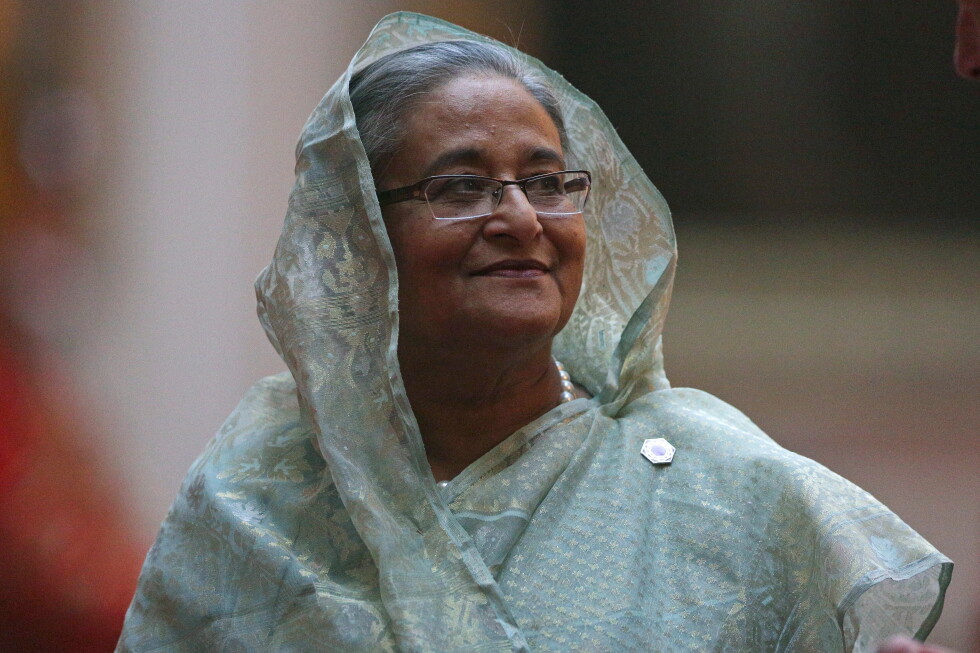
On a Wednesday marked by overlapping symbolic events tied to Bangladesh’s 2024 political upheaval, ousted former prime minister Sheikh Hasina made a defiant declaration from her exile in India: she intends to return to her homeland this December, even as a capital punishment sentence hangs over her head for the deadly 2024 crackdown on anti-government protesters.
Hasina delivered the announcement via an audio address at a New Delhi event commemorating the second anniversary of the student-led uprising that forced her from power. The 15-year incumbent prime minister fled to India in 2024 as mass protests swept across Bangladesh, and has remained in exile outside her country ever since. In 2025, a Bangladeshi court convicted her in absentia of crimes against humanity for ordering the violent response to the uprising, sentencing her to death. A United Nations report on the unrest recorded that nearly 1,400 people lost their lives during the crackdown, charges that Hasina has repeatedly and vehemently denied.
Facing legal jeopardy that could cost her life, Hasina framed her planned return as a non-negotiable responsibility to the people of Bangladesh. “I know that they may put me in jail, or they may kill me, or anything may happen, but still I have to go back,” she stated. “Fear cannot decide my duty to the people.” She also used the address to push for two key political demands: the lifting of the current ban on her Awami League party, and the release of all political detainees being held under the current administration.
Bangladesh’s current government has repeatedly requested India extradite Hasina to face her sentence, but New Delhi has thus far refused to hand the former leader over. The status of that extradition request remains unchanged as of Hasina’s latest announcement.
Half a world away in Dhaka, the same day brought a separate event that cemented the legacy of the uprising that ended Hasina’s rule: Bangladeshi Prime Minister Tarique Rahman officially opened the July Mass Uprising Memorial Museum, installed in Hasina’s former official residence. The memorial initiative was first launched by the interim government led by Nobel Peace Prize winner Muhammad Yunus, who took office just three days after Hasina fled the country in 2024. Yunus joined Rahman for the inauguration ceremony.
The museum preserves the story of the 2024 uprising through immersive exhibits, including audio and video footage of the unrest, personal effects of protesters killed during the crackdown, contemporaneous newspaper clippings, and documentation of alleged systemic political repression that occurred during Hasina’s 15 years in power.
Rahman, the son of former prime minister Khaleda Zia and Hasina’s long-standing political archrival, won a landslide election victory in February 2025, in a vote administered by Yunus’ interim government. Hasina’s Awami League was blocked from participating in that electoral contest. The report on Hasina’s announcement was filed by contributing journalist Alam based in Dhaka, Bangladesh.