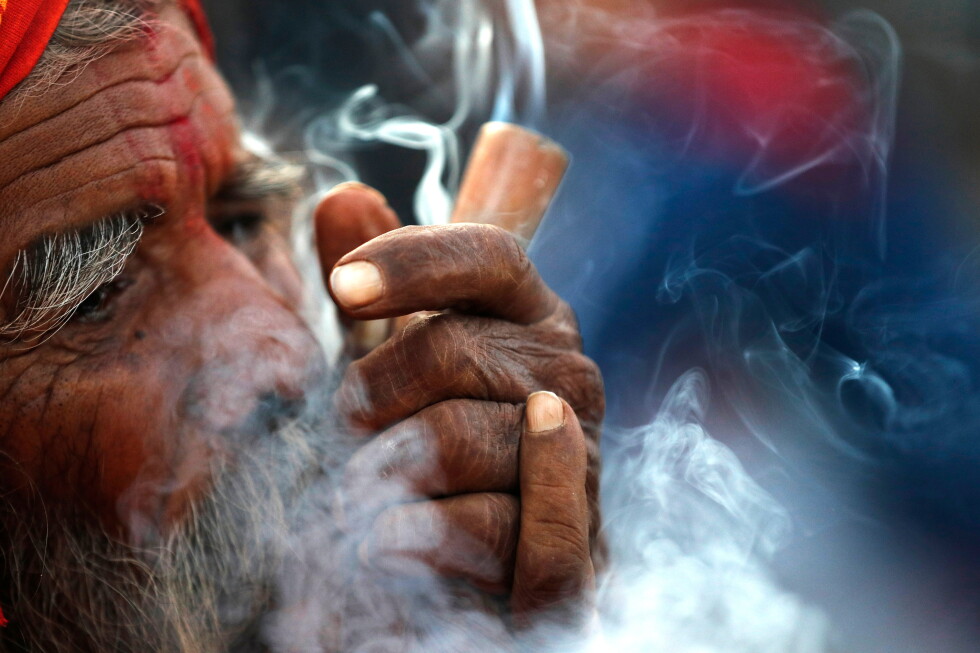
KATHMANDU, Nepal — In a bold policy move that puts a regional administration at odds with federal legislation, one of Nepal’s seven provincial governments has enacted a law permitting regulated cultivation and medical use of cannabis, against the backdrop of a nationwide national ban on all production and consumption of the plant.
The new regulation officially entered into force on Monday, following formal approval from Gandaki Province’s chief executive, confirmed Prabin Poudyal, spokesperson for the provincial chief’s office. Under the framework of the new law, any farmer seeking to grow cannabis must first obtain an official license from provincial regulatory bodies, and all operations will remain under continuous close oversight to prevent diversion of the crop to unregulated recreational markets.
Gandaki Province, a scenic Himalayan region that draws millions of international tourists annually for its mountain peaks, iconic hiking trails and the popular resort city of Pokhara, has carved out an unexpected path on drug policy that defies national legislation currently in place. Under Nepal’s federal law, cultivation, possession and recreational use of marijuana are criminal offenses across the country. Anyone caught with small amounts of cannabis for personal use faces up to one month of prison time, while those convicted of trafficking or selling the drug can receive sentences as long as 10 years behind bars, with penalties scaled to the quantity of cannabis seized.
Cannabis is an indigenous plant to Nepal, with deep historical roots in the nation’s cultural and religious traditions. For centuries, the plant has been integrated into local ritual practices, and cannabis advocacy groups have pushed for decades to reverse the national ban and legalize regulated use. The push toward decriminalization gained further cultural context from long-standing annual traditions: each spring during the Hindu festival of Shivaratri, devotees openly smoke cannabis at temples dedicated to the god Shiva, a practice that local authorities have traditionally tolerated despite the nationwide ban.
The national ban on cannabis was implemented in the late 1970s, when Nepal aligned its drug policies with international efforts led by Western nations to crack down on recreational cannabis use. At that time, the government’s crackdown also pushed out the large community of international hippie travelers that had flocked to Nepal starting in the 1960s and 1970s, drawn by the country’s open cannabis culture and low cost of living.