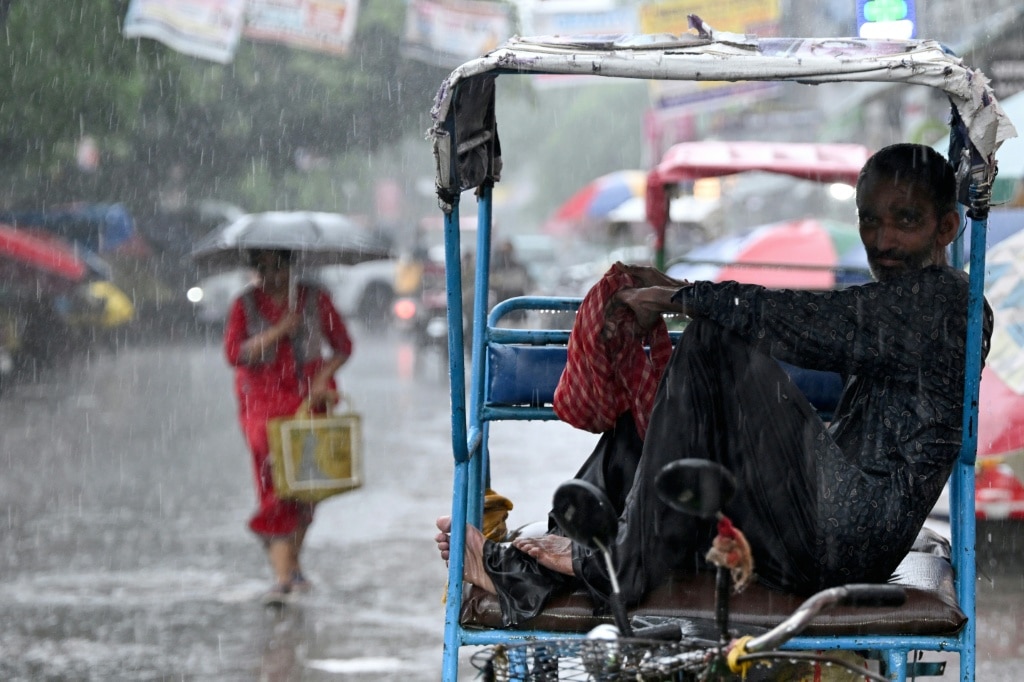
As the 2026 annual monsoon season unleashes its destructive force across South Asia, deadly floods and landslides have claimed more than 100 lives in India since the start of July, forcing tens of thousands of residents to abandon their inundated homes and seek emergency shelter, official government data confirmed this Wednesday. For millions of South Asian farmers, the annual monsoon is not a natural disaster to fear—it is a lifeline that sustains crop production and underpins regional food security. But climate scientists have long warned that rising global temperatures driven by climate change are transforming this predictable seasonal pattern, making rainfall more erratic, intensely concentrated, and unpredictable, amplifying the risk of catastrophic disaster across the region’s most vulnerable communities.
India’s northeastern state of Assam has emerged as the worst-hit region, with state Chief Minister Himanta Biswa Sarma confirming at least 87 monsoon-related deaths. The hardest-hit Sivasagar district alone has recorded 47 fatalities, with multiple low-lying communities remaining submerged days after the heaviest rainfall hit. State disaster management personnel have been working around the clock to rescue stranded residents, with AFP footage showing survivors using makeshift rafts and inflated vessels to navigate flooded neighborhoods to reach higher ground, assisted by official response teams. Describing the scale of the destruction as unprecedented for the region, Sarma wrote in a post on X, “The devastation here is unlike anything these areas have witnessed before. Material losses can be restored, but no compensation can replace a loved one.” State authorities have launched a public appeal for financial donations to fund urgent relief operations and long-term rehabilitation for displaced communities.
Further south, the coastal state of Kerala has also been battered by days of relentless downpours, which have left at least 15 people dead and seven more unaccounted for, according to state Chief Minister VD Satheesan. Rains have triggered deadly landslides across the state’s hilly regions, while swollen rivers have burst their banks, inundating hundreds of residential areas. Local authorities have established more than 300 emergency relief camps across the state, which currently provide shelter to more than 10,000 displaced residents.
In the northern Himalayan Union Territory of Jammu and Kashmir, short bursts of extremely intense rainfall have killed at least 31 people, according to reports from India’s public state broadcaster.
Monsoon-related natural disasters are a recurring annual challenge for India, coming immediately after the long summer season when large swathes of the country grapple with critical water scarcity and drought. But the scale of destruction this year aligns with scientific projections of worsening extreme weather linked to climate change.
The extreme weather has not been confined to India: neighboring Sri Lanka is also facing a dual climate crisis, driven in part by this year’s El Niño phenomenon, which raises sea surface temperatures across the central and eastern equatorial Pacific Ocean and disrupts global rainfall patterns. Since Monday, unusually heavy monsoon downpours have triggered flash floods and mudslides in Sri Lanka that have killed at least eight people, according to the country’s Disaster Management Centre, forcing roughly 12,000 residents to evacuate flooded homes in the island nation’s central region. At the same time, eastern regions of Sri Lanka are locked in a severe, prolonged drought that has forced authorities to deliver emergency drinking water to residents via tanker trucks. The Sri Lankan government has established a special ministerial task force to coordinate mitigation efforts, but has not yet released an estimate of the total economic damage caused by El Niño-driven extreme weather this year.