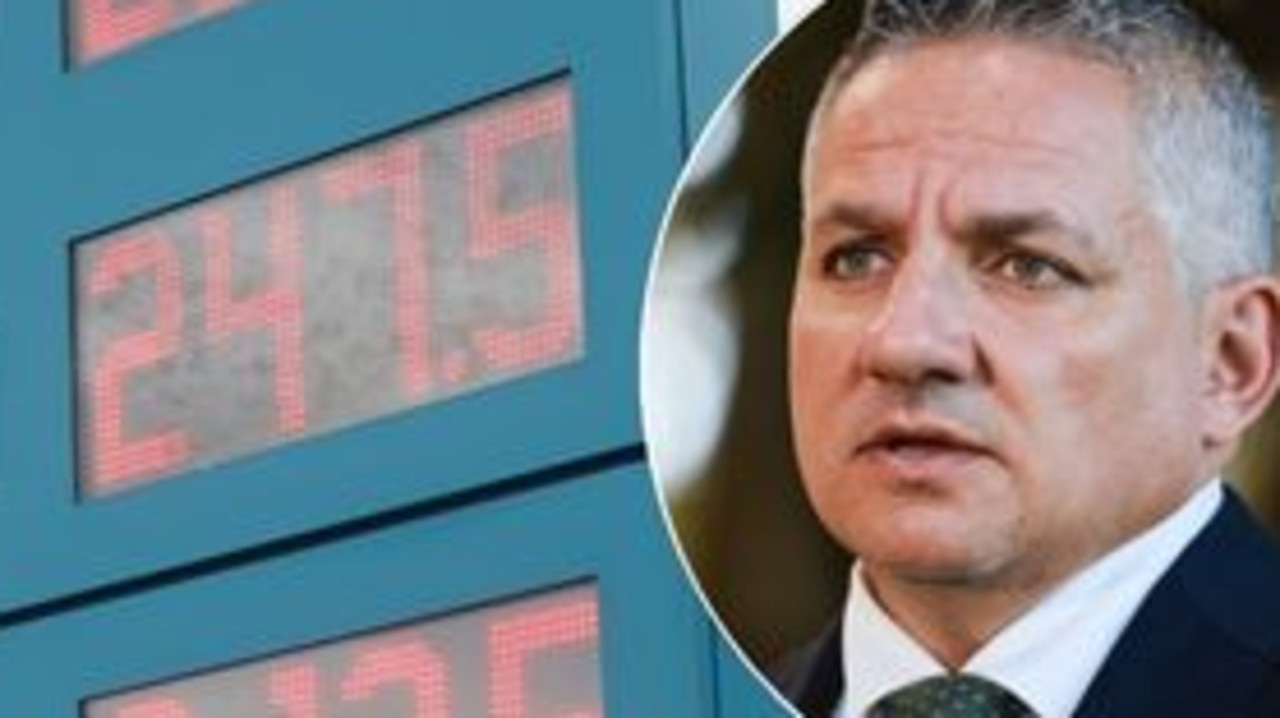
Australia’s federal fuel excise discount has officially expired, triggering an immediate, nationwide increase in fuel prices that has piled new pressure on motorists already grappling with soaring cost-of-living expenses. Automotive advocacy group the NRMA reported that average national prices for unleaded petrol rose by 3.2 cents per litre on the first full day after the discount was lifted, while diesel prices jumped an average of 3.4 cents per litre across the country.
Regional variations show the burden hitting different cities unevenly: Adelaide recorded an almost 4 cent per litre increase for both petrol and diesel, while Perth saw diesel prices surge by 5.1 cents per litre. Most notably, the price gap between different fuel grades has hit historic milestones not seen in Australian fuel market history. The national difference between budget E10 blend and high-octane Premium 98 fuel now sits at a record 30.5 cents per litre, beating all previous measurements. In Sydney alone, the gap between E10 and Premium 98 reached 26.5 cents per litre – the widest margin recorded in the city since 2012. The gap between E10 and mid-tier Premium 95 also broke records, climbing to 19.1 cents per litre nationally, up from the previous high of just 13 cents per litre.
With these unprecedented price gaps, NRMA spokesman Peter Khoury is urging Australian drivers to “shop smarter” at the bowser and consider lower-cost fuel alternatives when their vehicles allow. Khoury explained that for many motorists, paying premium prices for high-octane fuel is an unnecessary expense, and switching to cheaper blends can deliver meaningful savings for households stretched thin by inflation and ongoing global energy volatility linked to the Ukraine war. By opting for E10 fuel, a standard 55-litre tank can save drivers up to $17 per fill-up, he noted, while also supporting domestic biofuel production, boosting regional Australian jobs and cutting national dependence on imported oil.
“It is absolutely critical that Australians understand that they have choice at the bowser,” Khoury said. “With the excise going up today and the war continuing, finding smart ways to save at the bowser remain critical for many Australian struggling with cost-of-living pressures.”
In anticipation of the price shift, Treasurer Jim Chalmers has moved proactively to prevent price gouging by service stations, writing to Australian Competition and Consumer Commission (ACCC) chair Gina Cass-Gottlieb to call for heightened scrutiny of fuel pricing as the excise returns to its pre-cut level. Chalmers emphasized that the restoration of normal excise rates cannot be used as justification for unjustified, excessive price hikes that exploit motorists. The ACCC has been directed to investigate any reports of misleading pricing, anti-competitive behavior or unfair markup, and Chalmers reminded service station operators that penalties for price gouging have been increased, with violating businesses facing fines of millions of dollars for breaking consumer protection laws.
“Any price increase that could not be explained will face serious scrutiny from the ACCC,” Chalmers said. “We’ve jacked up the penalties for petrol stations that rip off Australians. They face multimillion-dollar fines if they break the law.”
As of Monday, the NRma’s ongoing price monitoring indicates most service stations are adjusting prices fairly in line with the reinstated excise. Khoury noted that the measured, proportional price increases recorded so far give the association confidence that most retailers are acting in accordance with regulatory guidelines.
Alongside the return of the standard fuel excise, the heavy vehicle road user charge has also reverted to its normal rate of 32.4 cents per litre, up from the discounted rate of 16.4 cents per litre that applied to liquid fuels including diesel for the duration of the government’s stimulus measure.