In a landmark move marking the first coordinated currency intervention between the two nations in 15 years, Japan and the United States have announced they jointly stepped into foreign exchange markets last week to stem the yen’s steep decline to a fresh four-decade low.
The last time Tokyo and Washington partnered on currency action was 2011, when the pair worked together to weaken the yen in the wake of the catastrophic earthquake and tsunami that devastated eastern Japan. This time around, the goal is reversed: authorities are aiming to reverse excessive yen depreciation that has shaken global financial markets.
Both Japan’s finance ministry and U.S. Treasury Secretary Scott Bessent have issued clear warnings that they stand ready to conduct additional joint interventions going forward, leaving no room for doubt about their commitment to stabilizing the yen. The coordinated action underscores shared efforts between the two countries to prevent turmoil in yen and Japanese government bond markets from spilling over into the broader global economy, a scenario that could even push up borrowing costs for the U.S. government.
“The United States agreed to participate in this coordinated intervention because it serves its national interests, offering the prospect of significant benefits at a relatively low cost,” Shigeto Nagai, head of Japan economics at Oxford Economics, explained in an interview with the BBC. Nagai projected that the two allies will likely continue intermittent coordinated interventions over the coming months. He added that even if the total value of interventions does not reach extreme highs, sustained market vigilance around future actions will act as an effective deterrent against currency speculators betting on further yen declines.
The yen’s historic weakness stems from long-standing and structural economic factors, most notably the large interest rate gap between the Bank of Japan and other major central banks, particularly the U.S. Federal Reserve. Even after the Bank of Japan raised its benchmark policy rate to 1% in June, the highest level since 1995, the rate remains far lower than the Fed’s current benchmark range of 3.50% to 3.75%. This gap makes the yen far less attractive to international investors seeking higher returns. Additional pressures on the currency include decades of declining working-age population growth, stagnant productivity, and Japan’s heavy dependence on energy imports priced in U.S. dollars.
In an official statement released Monday, Japan’s finance ministry confirmed that Friday’s joint intervention had successfully countered the excessive volatility and disorderly price movements that have plagued the yen in recent months.
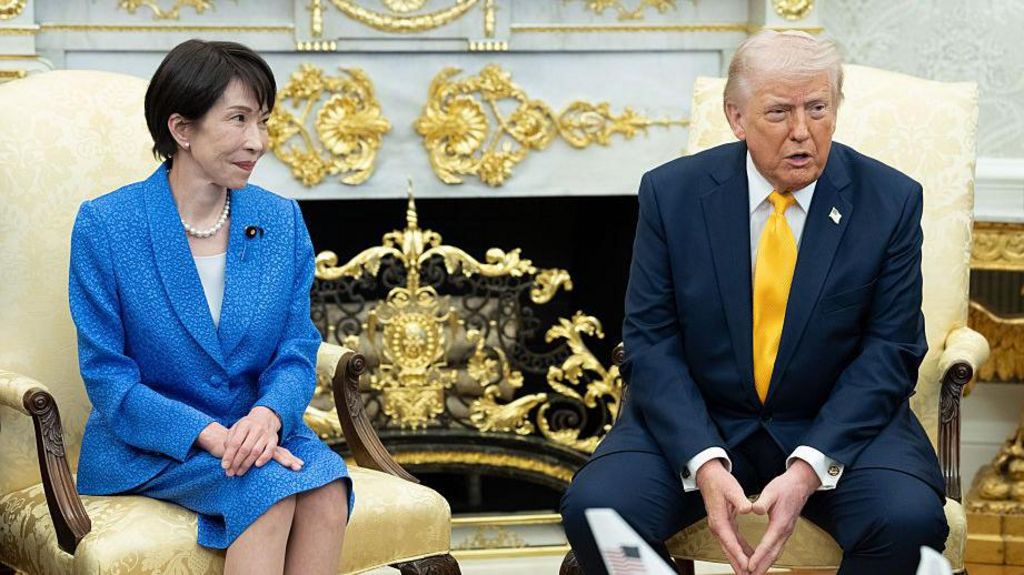
Bessent echoed this assessment in a social media post, noting that “coordinated foreign exchange actions countered disorderly yen movements.” He added that “We strongly support Japan’s decisive market and monetary steps to correct the substantial undervaluation of the yen.” U.S. President Donald Trump reinforced this message during a press gaggle with reporters on Sunday, saying “They have a weakening yen, and they wanted a little bit of help. And we’re always there for Japan.”
Market movements following the comments reflected shifting investor sentiment: the dollar dipped 0.2% to 157.07 yen immediately after Trump’s remarks, a significant pullback from the 40-year high of 164 yen hit last month, before edging back up to 157.70 yen following the Japanese finance ministry’s official statement.
Preliminary data from the Bank of Japan suggests Japanese authorities sold nearly $59 billion worth of U.S. dollars to purchase yen during intervention operations in New York markets on Thursday, one day ahead of the formal confirmed joint intervention with Washington. While the U.S. has not officially disclosed the size of its own intervention, a Reuters photograph taken during a Friday cabinet meeting captured a notepad in front of Bessent that read: “To Do: Buy Japanese Yen $5-10 bil”, giving an unofficial indication of the planned U.S. commitment to the operation.
This report included additional contributions from journalist Osmond Chia.