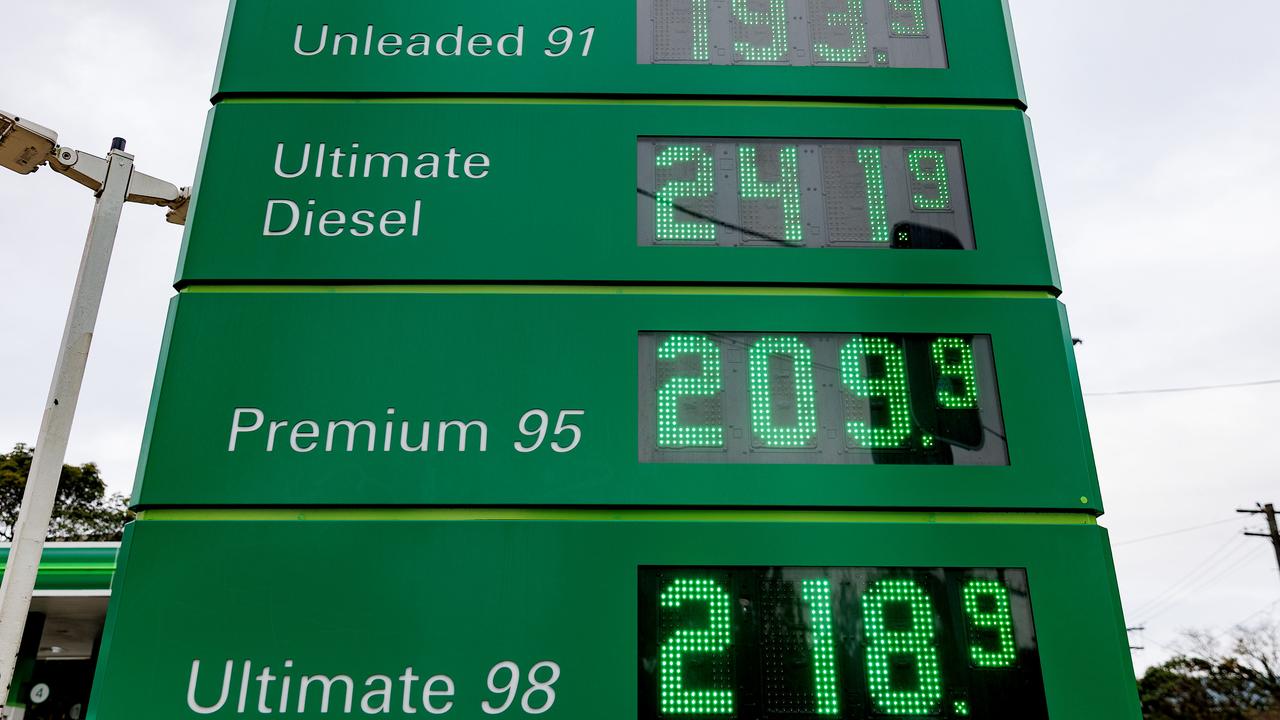
Australian motorists bracing for sudden steep increases at the petrol pump have been reassured that the end of the temporary 16 cents per litre fuel excise cut will not push up prices overnight. The six-month cost-of-living relief measure is set to officially expire at midnight Sunday, but Energy Minister Chris Bowen says consumers will not feel the full impact for around a week as existing fuel stock already held at service stations was purchased at the lower excise rate.
The fuel excise cut was first introduced in April as an emergency response to global oil price volatility sparked by the outbreak of conflict between the United States and Iran, which disrupted global supply chains and forced intermittent closures of the Strait of Hormuz – a critical chokepoint for global oil transportation. When first launched, the cut reduced excise payments by 32 cents per litre, bringing the total tax per litre down from 52.6 cents to 20.6 cents. The discount was tapered to 16 cents per litre in July as part of the planned phase-out of the policy.
Bowen explained that just as the initial excise cut took time to flow through to lower retail prices for consumers, the reversal of the cut will also take time to work through the supply chain. “The excise has already been paid on the fuel stored underground at service stations, and replenishment cycles vary across different operators,” Bowen told reporters on Saturday. “Just as we saw when the cut came into effect, the same gradual adjustment will happen on the way back up.”
To protect consumers from unfair pricing practices as the excise returns to its original level, the Australian Competition and Consumer Commission (ACCC) has been granted enhanced monitoring powers to crack down on price gouging. Bowen warned that any retailer found engaging in illegal pricing practices will face substantial penalties, noting that the watchdog is already actively monitoring market trends across the country. “The ACCC is on the beat, they have the powers to act, and they will take action against any operators that break the rules,” he said.
In addition to the end of the passenger vehicle fuel excise cut, the heavy vehicle road user charge will also return to its standard rate of 32.4 cents per litre from Monday. The charge for liquid fuels such as diesel had been cut to 16.4 cents per litre for the duration of the relief program.
Treasurer Jim Chalmers has repeatedly emphasized that the excise cut was always intended to be a temporary emergency measure, not a permanent policy change. The government extended the cut at half its original value after the initial six-month period to smooth the transition for consumers, aligning with the original plan to phase out the relief gradually.
“It was never the government’s intention for this relief to be permanent,” Chalmers said. “We extended it at half the rate because we always planned to taper it off gradually to avoid sudden shock to household budgets.”
When the conflict first erupted in late February, global oil prices spiked dramatically, pushing Australia’s fuel price index up 32.8% between February and March – from 94.35 to 125.29. The Reserve Bank of Australia identified rising fuel costs as a key driver of national headline inflation, estimating that the full excise cut would reduce overall inflation by 0.5 percentage points. The sharp price rise at the start of the year also pushed down consumer fuel consumption, which fell 7% in April and 10% in May compared to the previous year, as many Australian households cut back on driving to manage costs.
As of 26 July, the average national retail price of petrol sits at 182.3 cents per litre. Industry analysts expect this average will rise gradually over the coming week as the excise change flows through the supply chain, with the full 16 cent per litre increase hitting consumers by the end of next week for most regions.