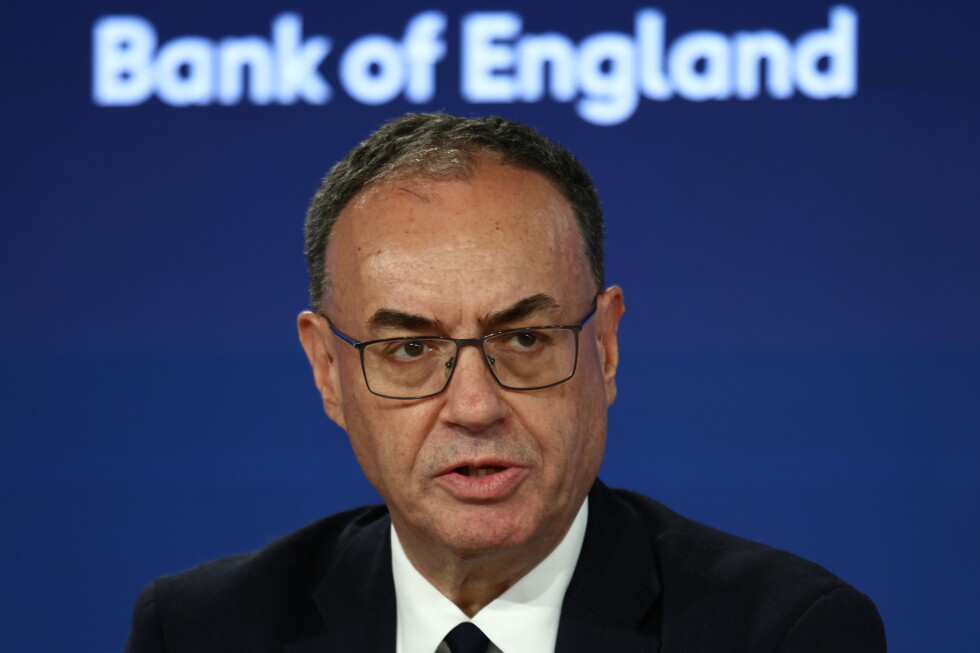
LONDON – The Bank of England has opted to keep its benchmark interest rate unchanged at 3.75% for the fifth consecutive occasion in 2026, following a sharper-than-forecast decline in domestic inflation that gave monetary policymakers room to evaluate the economic fallout of renewed hostilities between the U.S. and Iran. The bank’s nine-member Monetary Policy Committee delivered a split 6-3 vote in favor of the rate hold, a outcome that aligned with the projections of a majority of leading economists. The central bank has held rates steady at 3.75% since December 2025, after implementing four consecutive rate cuts through that year.
This divided vote underscores the growing rift among central banking authorities globally, as institutions grapple with two competing pressures: inflation that has remained stubbornly above long-term targets, and rising fears that the escalation of conflict in Iran will trigger a new wave of global price hikes. The decision comes one day after the U.S. Federal Reserve similarly kept its key policy rate unchanged within a range of 3.5% to 3.75%, with Fed Chairman Kevin Warsh stating the central bank “will not hesitate to act” to keep inflation anchored.
In its official summary of Thursday’s deliberations, the Bank of England committee emphasized that the full impact of the new energy market shock on the U.K. economy remains difficult to forecast. “The interest rate changes required to meet the 2% inflation target will depend on the scale and duration of the shock, and how it propagates through the wider economy,” the statement added.
Three dissenting committee members argued that the potential inflationary impulse from the recent sharp jump in global energy prices is too large to overlook, even though earlier energy price spikes from the initial conflict have not yet fed through to broader domestic price growth or elevated wage demands in the U.K. All three policymakers backed a 25 basis point rate increase that would push the benchmark to 4%.
Committee member Huw Pill, one of the three voting for a hike, outlined his concerns: “I remain concerned about more insidious second-round effects driven by catch-up dynamics in wage and price setting. While these may be slower to emerge, they could prove more lasting and create greater intrinsic inflation persistence.”
Adjusting central bank benchmark interest rates – which act as the base for consumer and commercial loan rates as well as credit card interest – is the primary tool central banks use to manage inflation. Higher borrowing costs tend to dampen consumer and business spending, which pulls overall price levels down, while lower rates stimulate borrowing, spending and upward pressure on prices.
New official data from the U.K. Office for National Statistics shows consumer price inflation slowed to 2.6% in the 12 months ending June, down from 2.8% in May. While the decline was larger than economists had projected, it marks the 21st consecutive month that inflation has stayed above the Bank of England’s 2% target.
Renewed military clashes between the U.S. and Iran this month have sent global oil prices soaring, driven by widespread market concerns over disruptions to shipping through the Strait of Hormuz – a chokepoint that, in peacetime, carries roughly one-fifth of all globally traded crude oil and natural gas. After a ceasefire between the two nations broke down, Brent crude, the global benchmark for oil prices, spiked from less than $71 per barrel three weeks ago to more than $100 per barrel on July 23. By Thursday, Brent was trading at approximately $92 per barrel, still well above pre-conflict levels.
Beyond geopolitical and energy risks, economists across the U.K. are also closely monitoring the fiscal policy agenda of new Prime Minister Andy Burnham. Analysts are assessing whether Burnham’s policy proposals to shield households from energy price increases and stimulate sluggish economic growth will add additional upward pressure to domestic inflation.