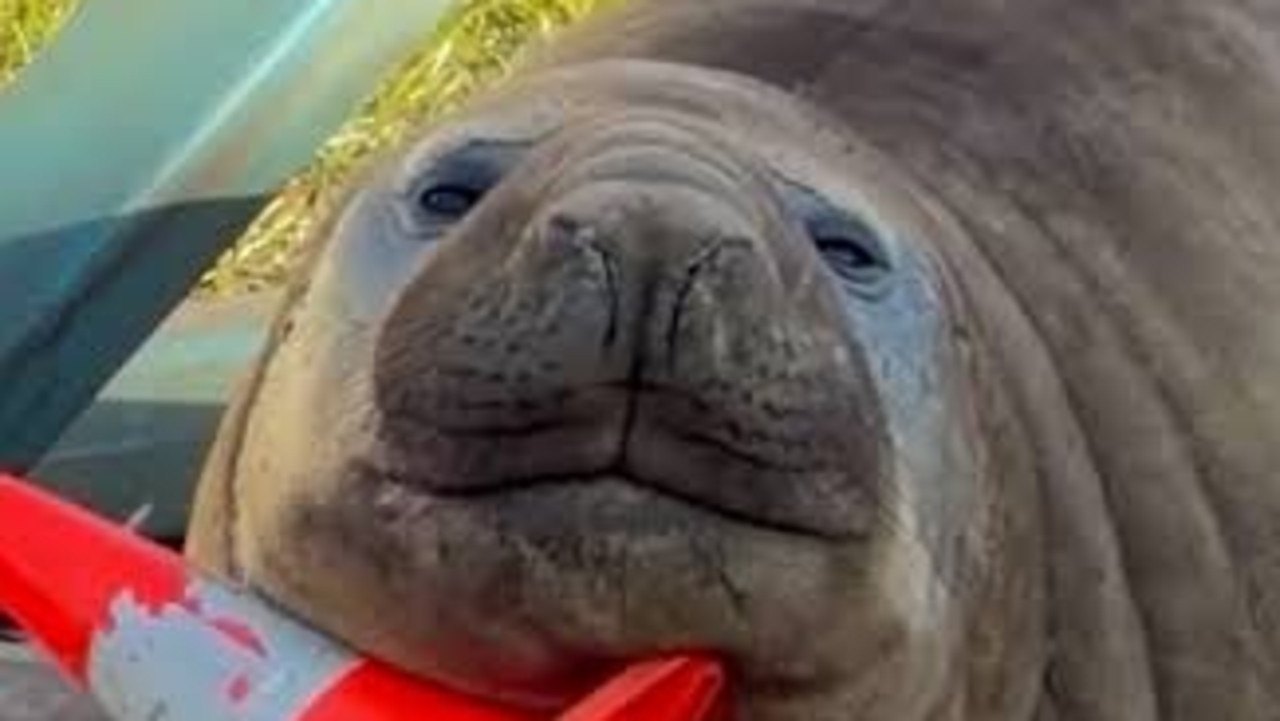
A 1,000-kilogram wild southern elephant seal named Neil has become an unlikely viral celebrity after a 34-day stay on the coast of south Tasmania left local authorities with a damage and management bill totaling more than AU$31,500 — but the animal will not be required to pay a single cent, all thanks to his overwhelming charm. Neil first came ashore in the Clarence region of Tasmania on June 24, and his unexpected visit quickly captured public attention, with hundreds of social media posts documenting the giant seal’s daily antics, turning him into a local sensation overnight.
Local government body the City of Clarence recently published a full breakdown of the costs generated by Neil’s extended stay. The total invoice came to AU$31,540.53, with the vast majority of the expense tied to staffing. Over the 34-day period, council workers logged 131.5 standard work hours and an additional 144 overtime hours to manage crowds of tourists and local residents gathered to see the seal, as well as reroute vehicle traffic around his resting spots. That labour cost alone added up to AU$26,520.08. On top of staffing, equipment rental cost AU$3,600, plant hire came to AU$114.75, and material costs for repairing damaged public infrastructure hit AU$1,297.70. The damage Neil caused came from scratching his massive body against public property, which wore down one large sign, 10 roadside bollards and a section of perimeter fence enough to require full replacement.
In a surprising decision that has delighted the public, the Clarence City Council announced it would waive the entire bill, crediting Neil for his unplanned service as a tourism ambassador, the widespread joy he brought to local communities, and what they called his “exceptional cuteness”. While the public is eagerly anticipating Neil’s next appearance on a Tasmanian shore, no one can predict where or when the five-year-old seal will choose to come ashore next. Despite the lighthearted reaction to the seal’s visit, Clarence Mayor Brendan Blomeley has issued a serious reminder to the public about the risks of interacting with wild elephant seals. Blomeley noted that while the final damage bill was relatively small, the constant close attention and overexposure Neil received from crowds could have resulted in a far more dangerous outcome for both the animal and members of the public. Southern elephant seals are large wild predators, and close contact can pose serious safety risks. “Wherever he decides to come ashore next, I hope he is given the space and time he needs,” Blomeley said, urging future visitors to the area to maintain a safe distance from the seal if he appears again.