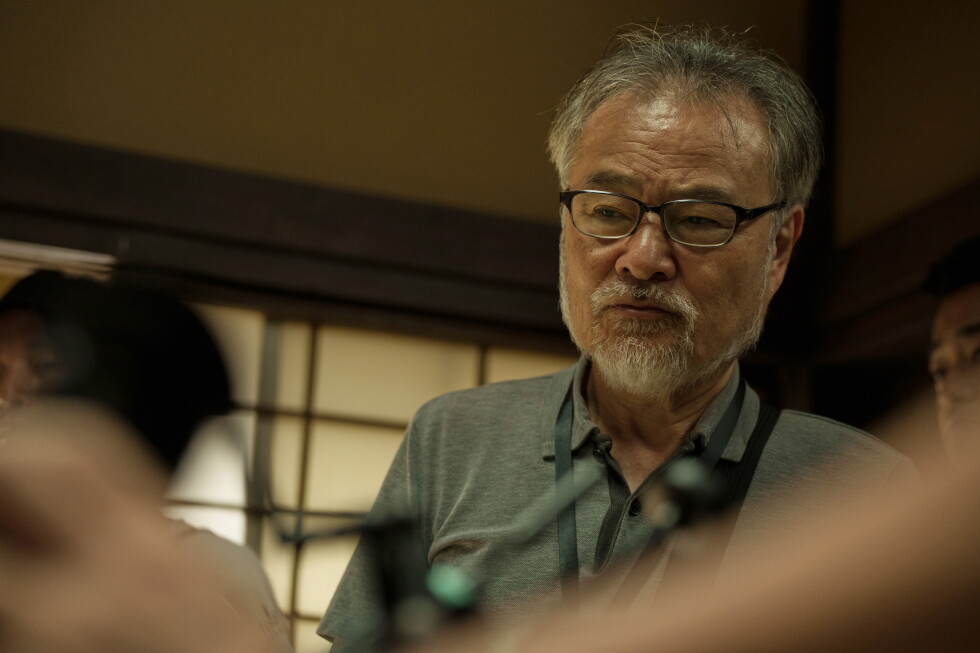
Acclaimed Japanese filmmaker Kiyoshi Kurosawa, long celebrated by audiences and critics as “the master of horror,” entered an untested creative space for his latest project: his very first samurai period drama. Once nervous about how viewers would respond to his genre departure, the award-winning director has found his risk paying off in spades.
Set to hit theaters in New York and Los Angeles on July 31 before expanding to major U.S. cities throughout August, *The Samurai and the Prisoner* earned a standing ovation and glowing critical reception when it made its world premiere at the Cannes Film Festival this past May. Early box office and audience data from Japan, where the film opened earlier this year, confirms it has already become Kurosawa’s most commercially and critically successful work in his decades-long career. That milestone carries extra weight for a director who has built one of the most respected filmographies in global cinema, including the 2020 Venice Film Festival Silver Lion winner *Wife of a Spy* and 2008’s Un Certain Regard Jury Prize-winning family drama *Tokyo Sonata*.
In a recent online interview with The Associated Press from New York, Kurosawa reflected on his enduring approach to filmmaking, admitting that the craft still holds mysteries for him after decades of work. “Filmmaking remains a mystery for me,” he said. He explained the art form requires a delicate, often unpredictable balance between grounding fictional stories in tangible, real-world details, and letting the imaginative narrative take shape. “I don’t understand it. And that’s why I keep making films,” he added. The director says he constantly challenges himself by measuring his work against legends of cinema, asking: Why can’t I do what Yasujiro Ozu did? Why can’t I do what Alfred Hitchcock did?
For most of his career, Kurosawa built his reputation on slow-burn horror stories that unfold in ordinary, everyday settings. His 1997 psychological thriller *Cure*, starring acclaimed Japanese actor Koji Yakusho as a detective hunting a serial killer, remains a defining example of this style: a quiet, creeping sense of dread that builds gradually against the backdrop of mundane modern life. Moving to the samurai genre, however, meant leaving that everyday normalcy behind, as the genre is rooted in a fictional, distant feudal world unlike contemporary life.
The plot of *The Samurai and the Prisoner* follows a classic samurai narrative framework, centered on a warlord rivalry that includes the Shakespearean plot twists long associated with the genre. Kurosawa broke down the core themes that drew him to the story: “There is, first of all, power. A feudalistic society is built on a hierarchical relationship of those at the top and those at the bottom. Then there’s betrayal. People try to grab power, and in so doing get thrown into confusion. That exists in any society, historically and perhaps even today. And so this is also about what’s eternal.”
Tackling his first samurai film came with unexpected challenges from the start. Kurosawa says he had no clear frame of reference for basic creative choices, from blocking scenes to guiding actors on line delivery, which differ drastically from his modern dramas. He also faced a common industry risk: fans who love a director for one specific style often resent when they step outside their comfort zone. Compounding that challenge, the traditional samurai genre feels alien to many modern viewers, even within Japan, making a positive reception far from guaranteed.
To Kurosawa’s relief, the production came together seamlessly once filming got underway. The combination of detailed sets, authentic costumes, period props, and traditional hair and makeup helped transport both cast and crew to the feudal world of the story, and Kurosawa counted himself lucky to secure permission to shoot on location at historic old temples and castles in Kyoto, Japan’s ancient capital. The director also brought his signature stylistic flourishes to the project: lingering long takes and tight, almost claustrophobic dialogue scenes that build subtle tension, leaving audiences on edge waiting for an unexpected shift.
Visually, *The Samurai and the Prisoner* adheres to the conventions of traditional Japanese samurai period drama, called jidaigeki, leaning into the genre’s long history of depicting the brutality and tragic pathos of feudal war. Wide panoramic shots of armored warriors lined up on hilltops even echo the iconic samurai epics of Akira Kurosawa — the legendary filmmaker to whom Kiyoshi Kurosawa is not related.
After the positive experience of making his first samurai film, Kurosawa says he is eager to return to the genre, with plans for a future project that includes more dynamic, spectacular sword fights in the style of the 1960s and 1970s *Zatoichi* film series, which follows the adventures of a blind, wandering swordsman. The director also says he is eager to explore other new genres, including a possible musical, even as he promises to keep making horror films for fans who appreciate his signature slow-burn style — though he worries his deliberate pacing may feel outdated to modern audiences used to nonstop action.
Today’s popular cinema, both in Japan and across the globe, prioritizes constant, back-to-back set pieces to keep audiences gripped, Kurosawa noted. “A scary thing generally doesn’t happen every five minutes in my films,” he said. “But if that’s OK, then I’d like to make my film.”