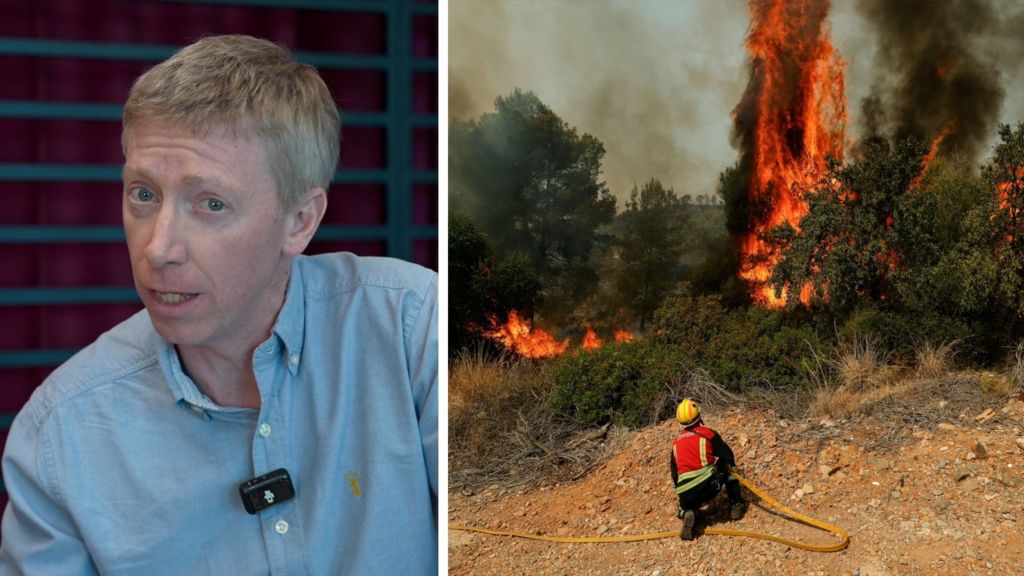
As wildfire outbreaks sweep across parts of Southern Europe, thousands of summer holiday travelers heading to France and Spain are facing sudden and disruptive last-minute itinerary cancellations. With blazes tearing through popular tourist regions, destroying vegetation, forcing mass evacuations, and upending pre-planned travel arrangements, uncertainty has left many visitors unsure of their rights and next steps. To address this growing travel disruption crisis, the BBC’s dedicated cost of living correspondent has broken down critical information that every prospective and current traveler needs to know.
Wildfires are amplified this summer by record-breaking heatwaves that have gripped the Mediterranean, turning dry vegetation across large swathes of France’s southern coastal regions and Spain’s inland and coastal tourist hubs into tinder. This year’s fire season has already burned thousands of hectares of land, prompted emergency declarations in multiple local jurisdictions, and hit peak tourism season just as many European and international visitors had already booked trips to the region.
The correspondent’s guidance covers key topics including refund eligibility for canceled accommodations and tours, rebooking options through travel providers, insurance coverage for wildfire-related disruptions, and steps to take if travelers already on the ground are forced to evacuate their accommodation due to an advancing wildfire. It also breaks down how current cost of living pressures compound the stress of canceled holidays, as many households have saved for months to afford their summer trips, making unexpected financial losses from disruptions even more damaging.
Travel industry experts echo the guidance, recommending that all travelers heading to affected regions monitor local official updates for wildfire risk on a daily basis, keep digital and physical copies of all travel documents and insurance policies handy, and coordinate closely with tour operators and airlines to adjust plans if necessary. With fire activity expected to remain high through the peak of summer travel, staying informed and prepared remains the most effective way to reduce disruption and protect travelers’ financial interests.