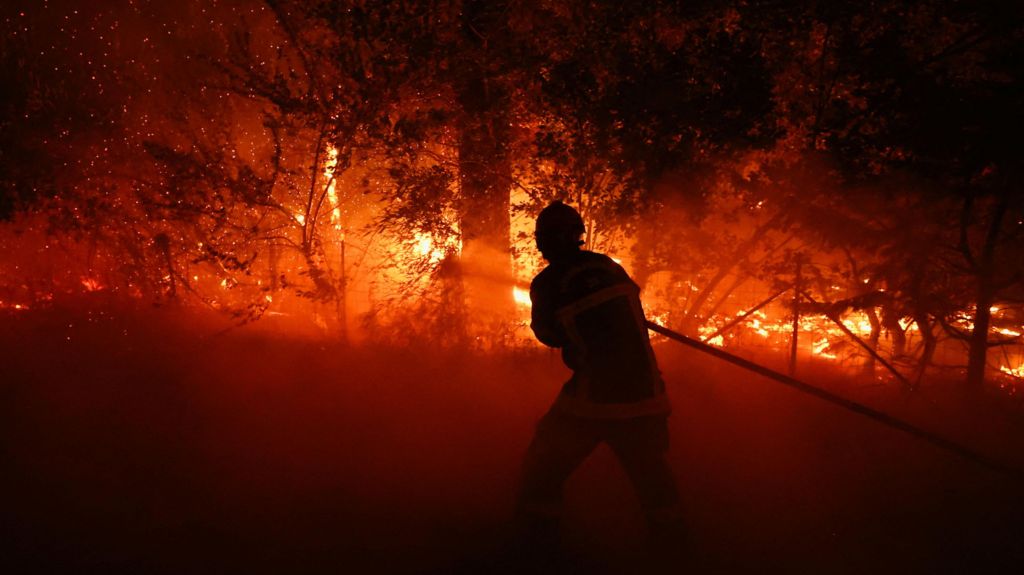
Southern Europe is grappling with an escalating climate-driven disaster as intense, fast-spreading wildfires rage across large swathes of France and Spain, forcing mass evacuations of popular tourist destinations and pushing authorities to enact sweeping emergency measures. In France, the worst-hit regions have seen flames devour thousands of hectares of forest and brushland, pushing emergency responders to their limits. Local French officials have issued mandatory evacuation orders for communities in the country’s iconic Mediterranean coastal tourist hubs, areas that draw millions of visitors each summer. With dry, windy conditions amplifying the spread of the blazes, thousands of residents and vacationers have been forced to flee their accommodations and homes with little advance notice.
Across the border in Spain, the scale of the wildfire crisis has prompted the national government to elevate the response to a full state of national emergency. The blazes, fanned by record-breaking heatwaves and prolonged drought that have parched vegetation across the Iberian Peninsula, have scorched vast areas of rural and protected natural land, destroyed critical infrastructure, and threatened populated regions. The declaration of national emergency unlocks additional federal resources, including additional firefighting personnel, military support, and emergency funding, to help local regions contain the outbreaks and support affected communities. Satellite imagery from recent days shows massive plumes of smoke drifting across the Mediterranean, a visible reminder of how widespread the disaster has become. Climate scientists have repeatedly warned that rising global temperatures are increasing the frequency and severity of extreme wildfire events across the Mediterranean basin, turning what was once a seasonal risk into a growing annual catastrophe for the region.