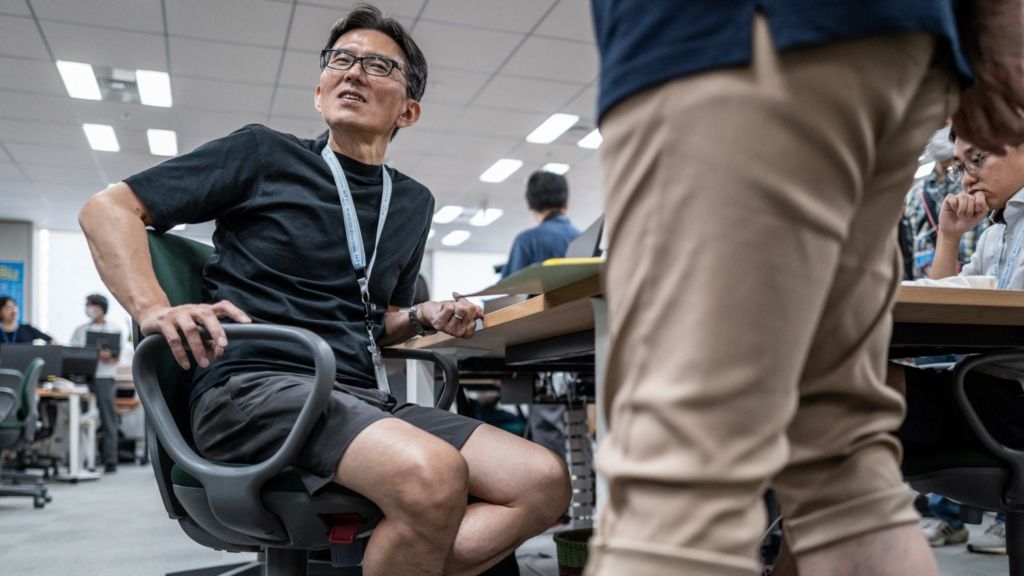
A new government-backed initiative encouraging Japanese men to adopt shorts as acceptable office attire has ignited sharp public discussion, with commentators split sharply over the policy’s goals and unintended implications.
The push to relax formal workplace dress codes for male employees has drawn praise from a subset of observers, who frame the shift as a long-overdue step toward more casual, comfortable working conditions. Supporters argue that ditching rigid, heavy trousers for breathable shorts can boost employee morale and even cut down on energy consumption by reducing the need for overcooling office spaces during warm summer months, aligning with broader national efforts to promote work-life balance and energy efficiency.
However, the policy has faced significant criticism from those who point out a glaring gender disparity baked into the new guidelines. Critics highlight that while men are being explicitly encouraged to embrace lighter, more casual lower-body wear, women still face unspoken strict requirements: any female employee who chooses to bare part of her legs in the office is still expected to wear full tights to adhere to traditional standards of professional appearance. This double standard has led many detractors to argue that the reform is incomplete at best, and actively unfair to women workers at worst.
The split reaction underscores broader, ongoing conversations about gender equality and evolving workplace norms in Japan, where traditional expectations around professional dress and gendered behavior have been slow to shift in many sectors. What was framed as a small, progressive change to office culture has instead become a flashpoint for discussions about how workplace reform must address systemic gender inequities to be meaningful.